How to Make Smart Spending Decisions When Technology Costs Rise

Technology spending is climbing faster than ever. Data centers, computing infrastructure, and hardware upgrades are absorbing trillions of dollars globally, which means the costs of tech services and equipment are shifting. Understanding where demand is outpacing supply helps you make better choices about your own spending and investments. Here’s how to approach tech-related purchases strategically.
Recognize When Supply Bottlenecks Drive Prices Up
When demand for a product skyrockets but manufacturers can’t keep pace, prices rise. This happened with advanced computer chips, memory modules, and power generation equipment over the past few years. Before committing significant spending to technology upgrades or subscriptions, research whether the components you need are experiencing supply constraints. Check industry reports and manufacturer guidance. If a product is backordered or prices are climbing rapidly, delay your purchase if possible, or consider alternative solutions. Waiting three to six months often brings relief as new supply enters the market.
Plan for Replacement Cycles, Not One-Time Purchases

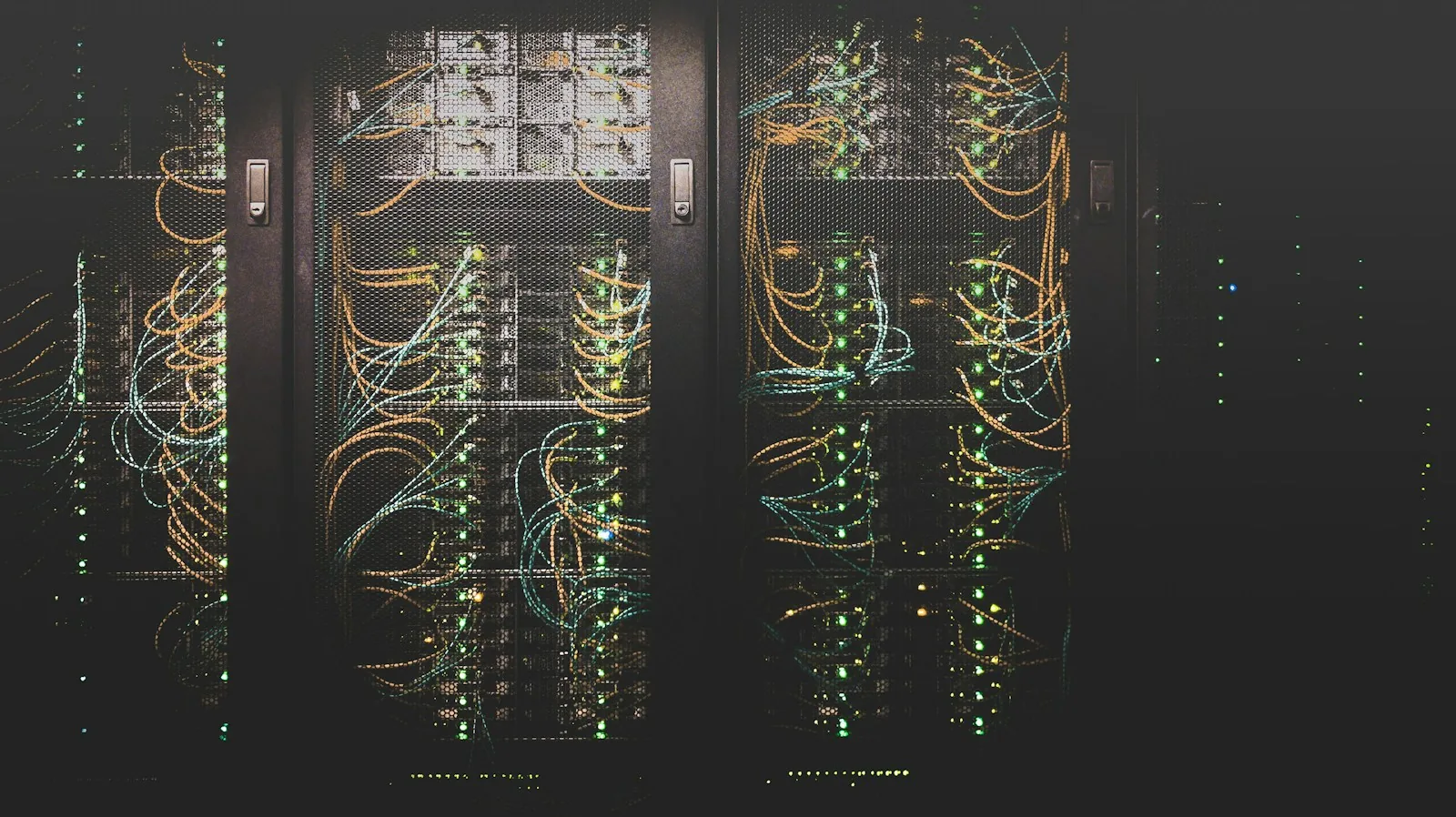
Modern data center equipment requires replacement every four to six years indefinitely, not just once. This same principle applies to your personal tech spending. High-performance computers, networking gear, and storage systems all have finite lifespans. Instead of viewing a major tech purchase as a one-time event, budget for the full replacement cycle upfront. This prevents sticker shock later and helps you avoid overspending on features you won’t need in five years. Calculate the total cost of ownership across the product’s lifespan, not just the initial price tag.
Diversify Your Spending Across Multiple Vendors
When a single company or technology dominates the market, relying entirely on that one solution creates risk. If prices spike or availability drops, you’re vulnerable. Instead, evaluate competing products and services. Compare offerings from multiple manufacturers before deciding where to spend money. This approach forces you to understand the full landscape, often revealing better value propositions. You may discover that a slightly different solution from a secondary vendor saves money, offers better features, or provides more reliable support. Avoid assuming the market leader always offers the best deal.
Buy During Market Pullbacks, Not at All-Time Highs
Tech products and related stocks often experience significant price swings. A product that surged 300% in six months might pull back 20% over the next quarter. This pullback doesn’t signal that the product is worsening; it often reflects normal market behavior after rapid gains. If you’ve identified a technology you genuinely need, purchase during these cooler periods rather than chasing purchases during hype-driven peaks. Set price targets and monitor sales. Patience typically rewards buyers with better entry points. Control impulse spending by establishing a waiting period before major tech purchases.
Watch for the End of Supply-Driven Pricing
Supply shocks are temporary. Eventually, new manufacturing capacity comes online, competitors launch rival products, or demand shifts elsewhere. When that happens, the pricing power that drove early profits disappears. Avoid overpaying for technology late in a boom cycle. Once you see news of new factories opening, expanded production capacity, or competitor entry into a market, aggressive spending often becomes less urgent. The market is signaling that scarcity is ending. This is when selective buyers gain advantages, not rushed ones. Stay informed about industry capacity announcements.
Size Your Spending to Match Your Risk Tolerance
Not all technology spending is equal. Some investments are essential and predictable; others are speculative. Allocate your largest budgets to proven, stable technologies that won’t become obsolete in two years. Reserve smaller portions for experimental or cutting-edge solutions. This balanced approach protects you if an emerging technology doesn’t deliver as expected while still allowing exposure to innovation. Avoid putting all your spending behind one trend or vendor.
Key Takeaway
Smart tech spending mirrors professional investment strategy. Understand supply constraints, plan for full replacement cycles, diversify your choices, buy during market dips, watch for bottleneck resolution, and size positions carefully. By applying these principles, you’ll avoid overpaying during hype cycles and make purchases that deliver genuine value. Whether upgrading your home office, expanding a business infrastructure, or investing in training tools, these practices ensure your spending aligns with market reality, not momentary excitement.