5 Tips for Smart Spending on Major Investments and Long-Term Projects
Whether you are planning a home renovation, launching a business, or investing in technology infrastructure, how you approach spending on large-scale projects can make or break your financial health. Learning to spend strategically rather than reactively helps you build wealth and achieve your goals. The key is understanding that every dollar deployed toward a major initiative should support a clear vision and timeline.
1. Start With a Clear Vision and Long-Term Plan
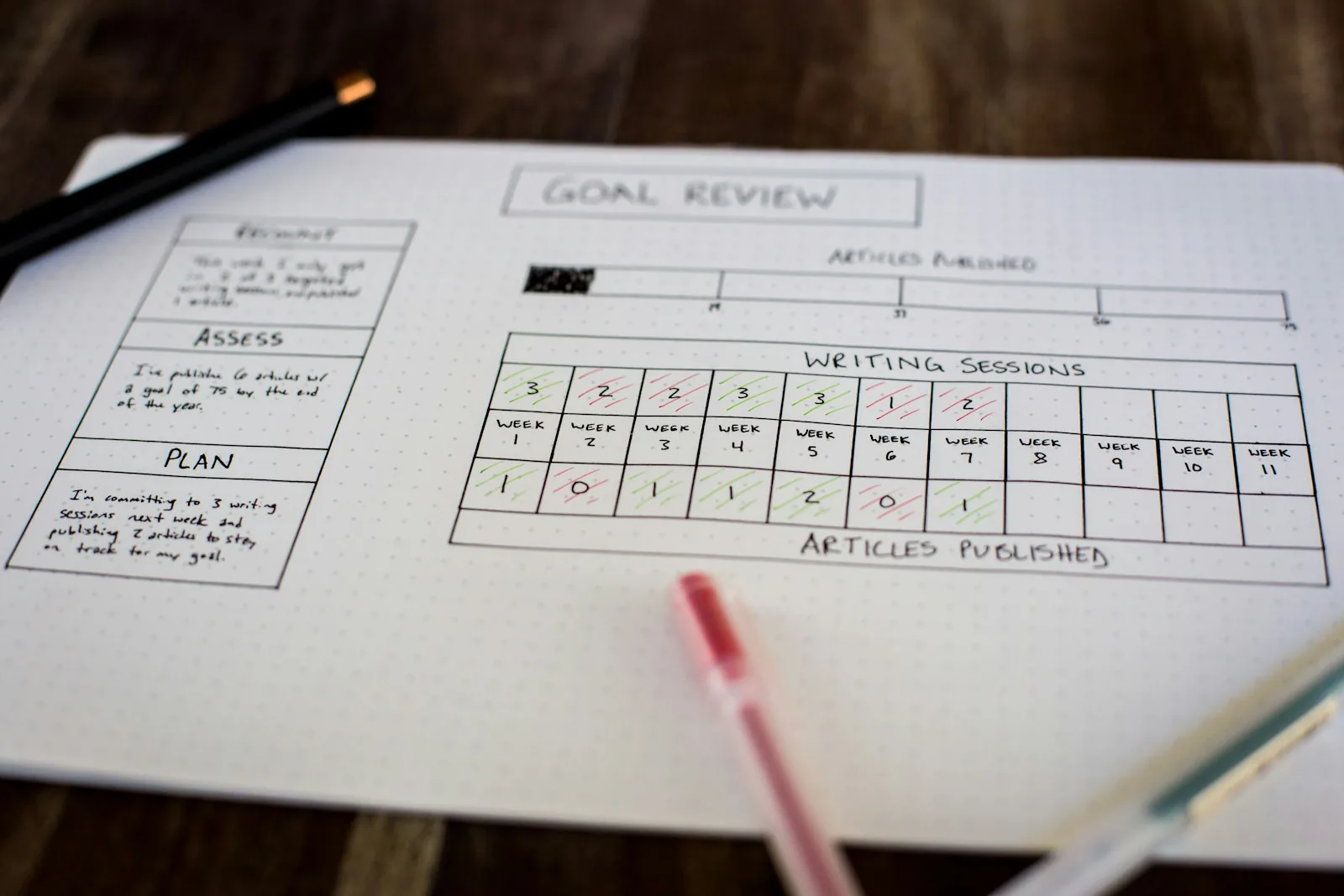
Before you commit any resources, define exactly what you are trying to accomplish and why. Companies that invest hundreds of billions in infrastructure do so because they have mapped out a specific future. When you establish a detailed roadmap for your own major spending, you create accountability and direction. Ask yourself: What problem am I solving? When do I expect returns? What milestones must I hit along the way? Writing these answers down forces clarity and helps you stick to your priorities instead of veering off course into wasteful expenses.
2. Stage Your Investment Over Time Rather Than Spending All at Once

One of the smartest spending moves is to spread capital deployment across multiple phases rather than dumping everything upfront. This approach lets you adjust as you learn what actually works in your market or situation. If you are building something new, early phases reveal unexpected costs and opportunities. By holding back resources for later stages, you retain flexibility and reduce the risk that you will waste money on wrong assumptions. Gradual spending also helps you manage cash flow better and leaves you with reserves for emergencies.
3. Build in Contingency Margins for Unexpected Costs
Real-world projects always encounter surprises. Materials cost more than expected. Timelines extend. Technology breaks down. Smart spenders budget for contingencies by adding a buffer of 15 to 25 percent to initial estimates. This is not pessimism, it is realism. When you account for the unexpected as part of your spending plan, you avoid panic decisions and sudden debt when reality hits. You can review every deal category we track to research market rates and avoid overpaying on components or services that feed your project.
4. Measure Progress and Adjust Spending as You Go
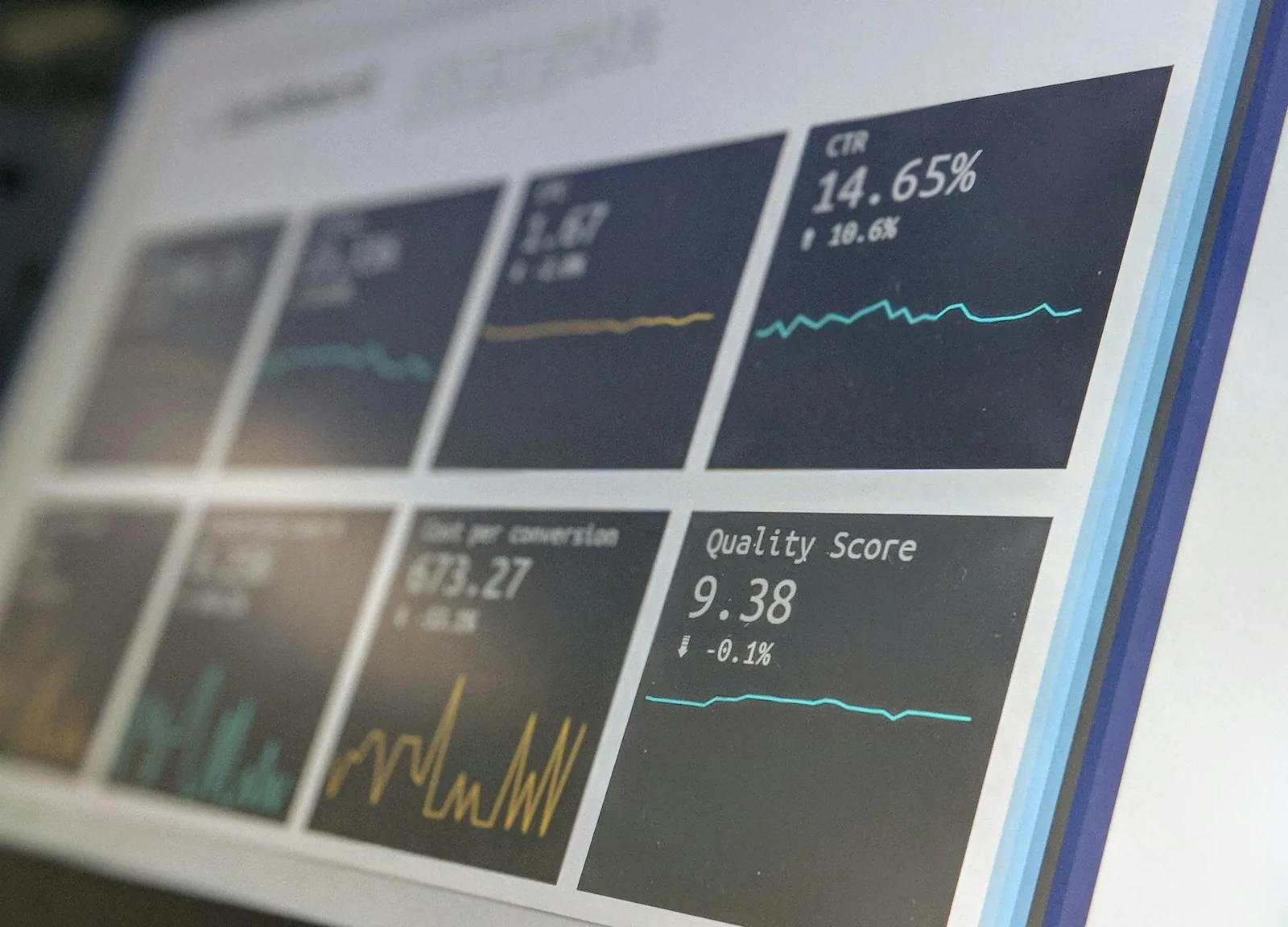
Do not set a budget and disappear. Track what you are actually spending versus what you planned. Compare results to your projections. If a phase is generating better returns than expected, you may accelerate the next phase. If something is underperforming, you can cut spending there and redeploy resources elsewhere. Regular review cycles prevent throwing good money after bad money. Many people who regret large purchases say they simply did not pay attention to early warning signs. Active monitoring keeps you in control.
5. Distinguish Between Necessary Foundation Spending and Speculative Expansion
When you have a large pot of capital, it is tempting to fund everything at once. Resist this urge. Separate your spending into two buckets: core infrastructure that your entire project depends on, and speculative bets that might pay off but are not essential. Fund the core first and fully. Only after the foundation is solid should you allocate remaining resources to experimental ideas. This discipline protects you if some of your speculative ideas fail. You can also look into proven strategies to stop impulse spending and keep more money in your wallet. These principles apply whether you are managing personal finances or stewarding company resources.
Why Smart Spending Matters
The difference between successful major spending and wasteful major spending is not luck. It is discipline, planning, and the willingness to change course when data demands it. When you spend with intention, you align your resources with your actual goals. You avoid the trap of pretending that bigger spending equals better results. Instead, you prove your strategy works at each stage before betting more.
Consider adopting a mindset of strategic patience. This means you are willing to move slowly if moving slowly reduces risk and improves outcomes. It means you celebrate hitting milestones on budget as much as finishing ahead of schedule. And it means you view every dollar not as money to deploy, but as voting power for the future you are building. When you spend that way, you almost always spend better.