Walmart Builds Next Generation Fulfillment Center in Georgia What Shoppers Should Know
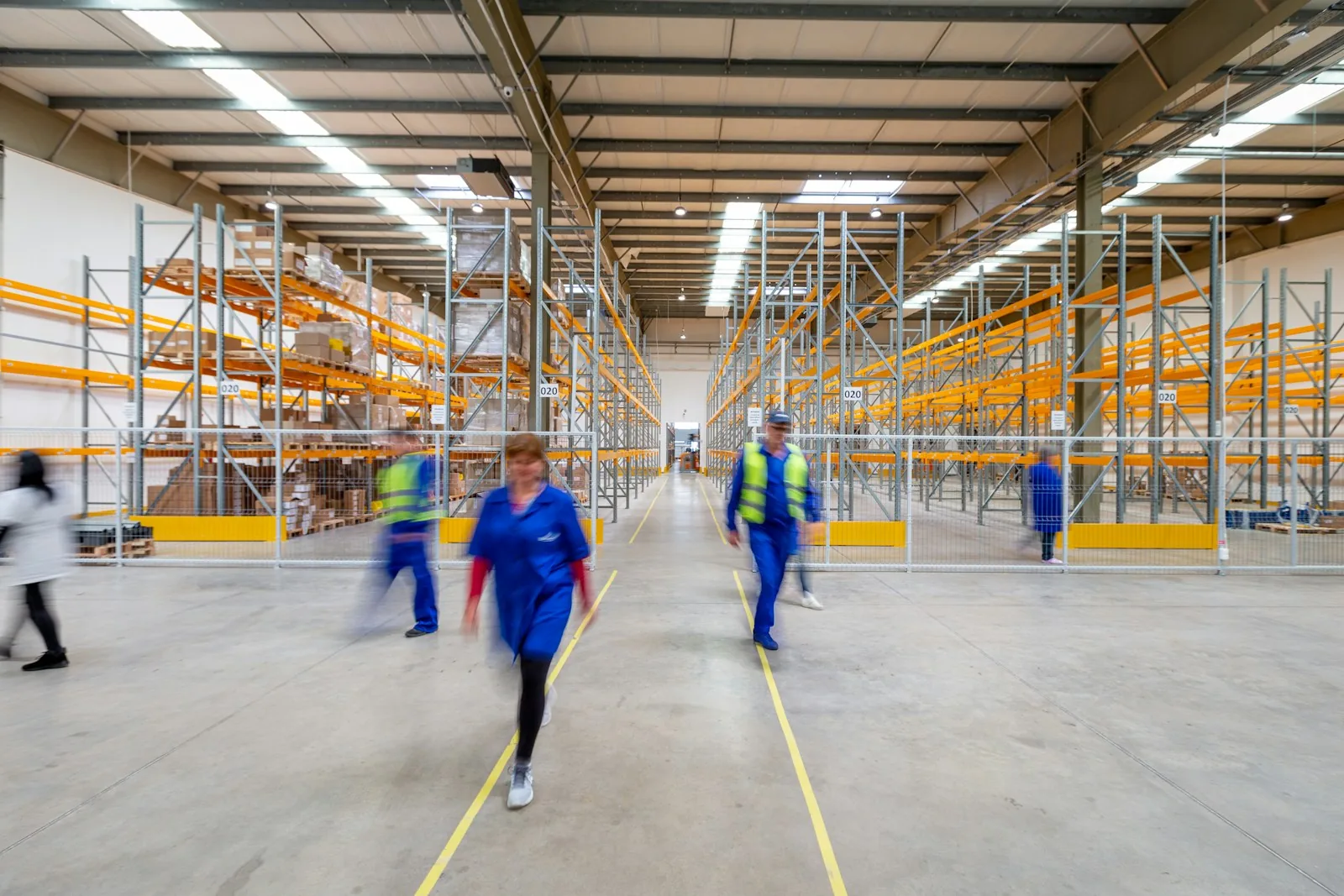
Walmart is investing $1.3 billion to build a massive automated fulfillment center in Carnesville, Georgia, marking the retailer’s sixth next-generation distribution facility. Construction is expected to start later this year on the 1.5 million-square-foot complex, which will employ approximately 1,000 workers in Franklin County, roughly 80 miles northeast of Atlanta.
This expansion demonstrates how major retailers are betting heavily on automation and speed to meet growing shopper expectations for faster delivery. The new Georgia location represents a significant step in Walmart’s strategy to reach more customers with same-day and next-day shipping options. Previous facilities of this kind have been built or announced in California, Indiana, Texas, Pennsylvania, and Illinois.
What These Advanced Facilities Mean for Delivery Speed
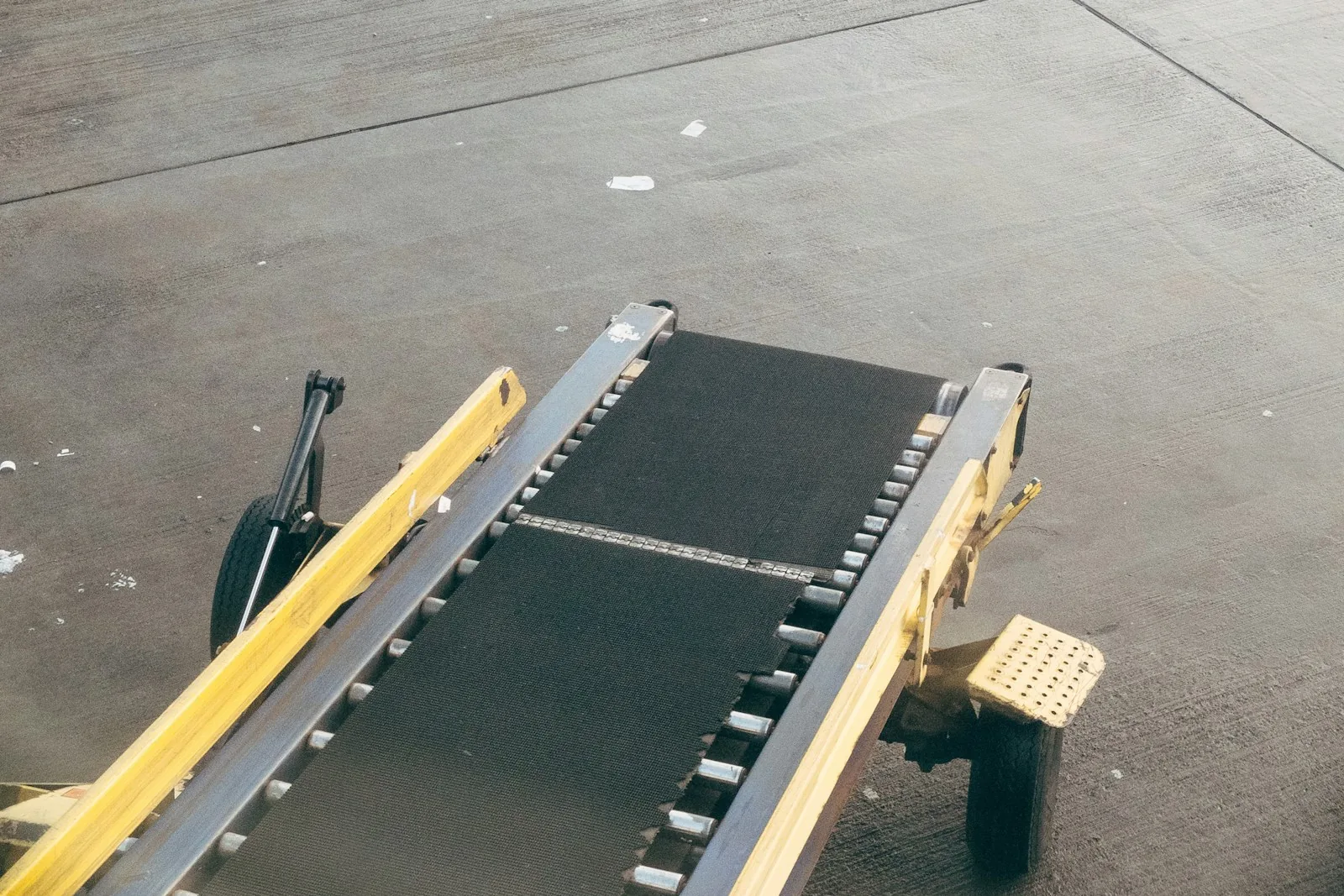
The next-generation fulfillment centers use cutting-edge technology including conveyor belts, automated shuttles, scanners, and other systems designed to streamline the order-packing process. According to logistics partners working on these projects, the facilities reduce fulfillment operations from 12 steps down to just five, driving roughly 50% higher productivity compared to traditional warehouses.
These efficiency gains translate directly into faster service for consumers. Walmart’s current network of advanced fulfillment centers can already reach 75% of the U.S. population with next-day or two-day delivery. The Georgia facility will extend this reach even further, particularly benefiting shoppers across the Southeast.
In recent earnings announcements, Walmart revealed that more than half of its ecommerce fulfillment volume already flows through automated facilities. The company has also been aggressive about expanding ultra-fast options, now offering 30-minute delivery across 38 markets nationwide. This represents a competitive push as retailers compete to offer the quickest possible service across every deal category we track, from groceries to household essentials.
Why This Matters for Consumer Prices and Selection
When retailers automate their supply chains, the cost savings often benefit shoppers through competitive pricing and wider product availability. Walmart’s leadership has emphasized that investments in automation and network expansion are directly improving the customer experience. The Georgia center will support both ecommerce orders and traditional retail supply, helping keep shelves stocked while enabling rapid online fulfillment.
The location in northeast Georgia is strategically important because it serves a region positioned between major metropolitan areas. Shoppers in Atlanta, Charlotte, and surrounding communities can expect improved delivery times once the facility becomes operational. The facility will handle everything from fresh groceries to general merchandise, supporting the retailer’s push toward same-day or next-day delivery for essential items.
The Broader Retail Automation Trend

Walmart’s continued investment in next-generation fulfillment centers reflects a larger shift across the retail industry. As consumer expectations for speed and convenience increase, major retailers are modernizing their logistics networks. This Georgia announcement comes as major retailers receive billions in tariff refunds and adjust their strategies to maintain competitive pricing in an evolving marketplace.
The $1.3 billion investment also signals confidence in continued ecommerce growth. Even as brick-and-mortar retail remains important, the shift toward online ordering and delivery has become a defining feature of modern shopping. By building these advanced facilities, retailers are preparing for sustained demand in grocery delivery, same-day fulfillment, and quick-turnaround logistics.
Employment is another consideration. The Carnesville facility will create about 1,000 jobs in Georgia, supporting local economic development while requiring workers to operate, maintain, and manage highly automated systems. These positions represent a mix of skilled technical roles and general warehouse positions.
What Shoppers Should Expect Going Forward
As these advanced fulfillment centers expand across the country, shoppers can anticipate increased access to faster delivery options, particularly in underserved regions. The technologies deployed in these facilities, including AI and advanced logistics planning, help manage peak shopping periods more efficiently.
The Georgia facility represents a multi-year commitment to serving the Southeast with modern logistics capabilities. Walmart’s track record with previous next-gen centers suggests that once operational, the Carnesville location will integrate smoothly into the retailer’s broader network. For shoppers, this means better availability, faster fulfillment, and continued pressure on retailers to offer competitive delivery speeds and pricing.
The automation also supports sustainability goals, as optimized routes and fewer manual handling steps reduce waste and energy use compared to traditional fulfillment operations. Shoppers increasingly care about supply chain efficiency, and these investments demonstrate that major retailers are responding to those concerns.