Major Retailers Receive Billions in Tariff Refunds What Shoppers Should Know
In recent weeks, big-box retailers including Walmart, Target, and The Home Depot have announced that they received substantial refunds from tariff reductions following a Supreme Court ruling in February. The court determined that tariffs imposed under the International Emergency Economic Powers Act were illegal. According to reports, approximately $100 billion in tariff revenue has been refunded to businesses across the country. While this news sounds promising for everyday shoppers dealing with rising costs, the reality is more complicated than it might initially appear.
Where the Money Is Going
Walmart alone received approximately $2.9 billion in tariff refunds, while Target reported $994 million during its second quarter earnings. The Home Depot received $730 million in refunds. All three major retailers have publicly committed to using at least some of these funds to reduce prices for consumers. Walmart CEO John Furner indicated there would be rollbacks across multiple categories including food, general merchandise, consumables, and fashion. The Home Depot said it would use refunds to offset rising cost pressures and maintain competitive pricing.
However, consumers are unlikely to see direct refund payments to their accounts or receive itemized credits on receipts. Unlike shipping carriers such as UPS and FedEx, which have committed to sending refunds directly to customers who were charged tariff fees, traditional retailers typically absorb tariffs into the overall cost of inventory rather than tracking them separately. This makes it nearly impossible for companies to trace a specific tariff cost back to an individual shopper.
How Price Reductions Will Actually Work

Peter Ramer, a senior analyst for tax and consulting firm RSM U.S., explains that consumers will benefit through selective price cuts, more promotions, and fewer price increases than they might otherwise have faced. The challenge is that these benefits will be scattered across thousands of products and difficult for any individual shopper to identify. Because tariffs are embedded in product costs at the wholesale level, there is no direct link between a specific tariff payment and a customer purchase.
The way retailers strategically deploy these refunds also matters. Analysts suggest that major retailers may focus price adjustments on value products that drive store traffic, rather than the specific products on which tariffs were actually paid. This means a household that paid tariffs on imported small appliances could end up seeing the benefit as a price reduction on everyday staples like groceries instead. While the money does reach consumers in aggregate, at the individual level, the person who originally paid the tariff may never feel the direct benefit.
What This Means for Your Wallet
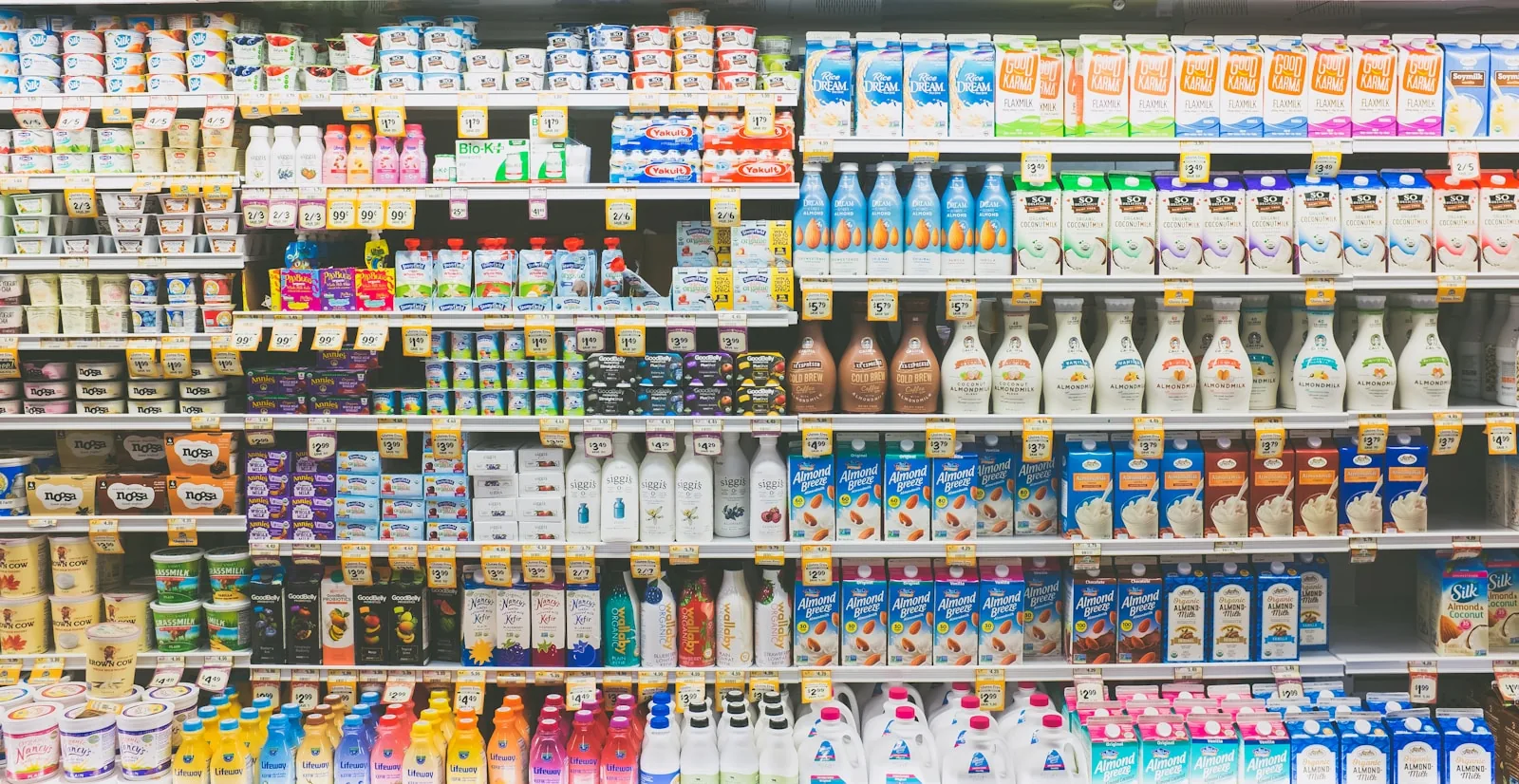
The real impact will likely be subtle and almost imperceptible. You may notice that prices don’t increase as quickly as expected or that certain promotional offers appear more generous than before, but you probably will not receive an email or see a receipt line item explaining the savings. This lack of visibility means consumers often don’t recognize the benefit even when they receive it.
It is worth noting that some products remain subject to tariffs, and other macroeconomic factors such as fuel prices continue to influence retail pricing. Retailers are making pricing decisions based on multiple variables, including customer expectations, competitive pressures, and broader economic conditions. Consumer spending patterns are also influenced by concerns beyond tariffs, such as gasoline costs, grocery prices, and overall economic uncertainty.
Looking Ahead
As retailers implement their pricing strategies over the coming quarters, shoppers may begin to see the impact of these refunds, though the connection to tariff relief may not be obvious. Major retailers have indicated that more significant price adjustments could become visible in the back half of the year. Retailers across different sectors continue to adapt their strategies to meet customer demands while managing various cost pressures.
The bottom line for consumers is that tariff refunds do provide some relief, but the benefits will arrive quietly through subtly lower prices and more frequent promotions rather than obvious discounts. Understanding this distinction helps set realistic expectations about how much of a tangible impact these refunds will have on your grocery bills and shopping experiences over the next several months.