Walmart Automation Troubles What Shoppers Should Know
Walmart is investing heavily in warehouse automation to speed up delivery times and improve shopping convenience, but the retailer is running into significant hurdles that could affect how quickly your orders arrive and what you ultimately pay at checkout.
The Automation Challenge Behind the Scenes
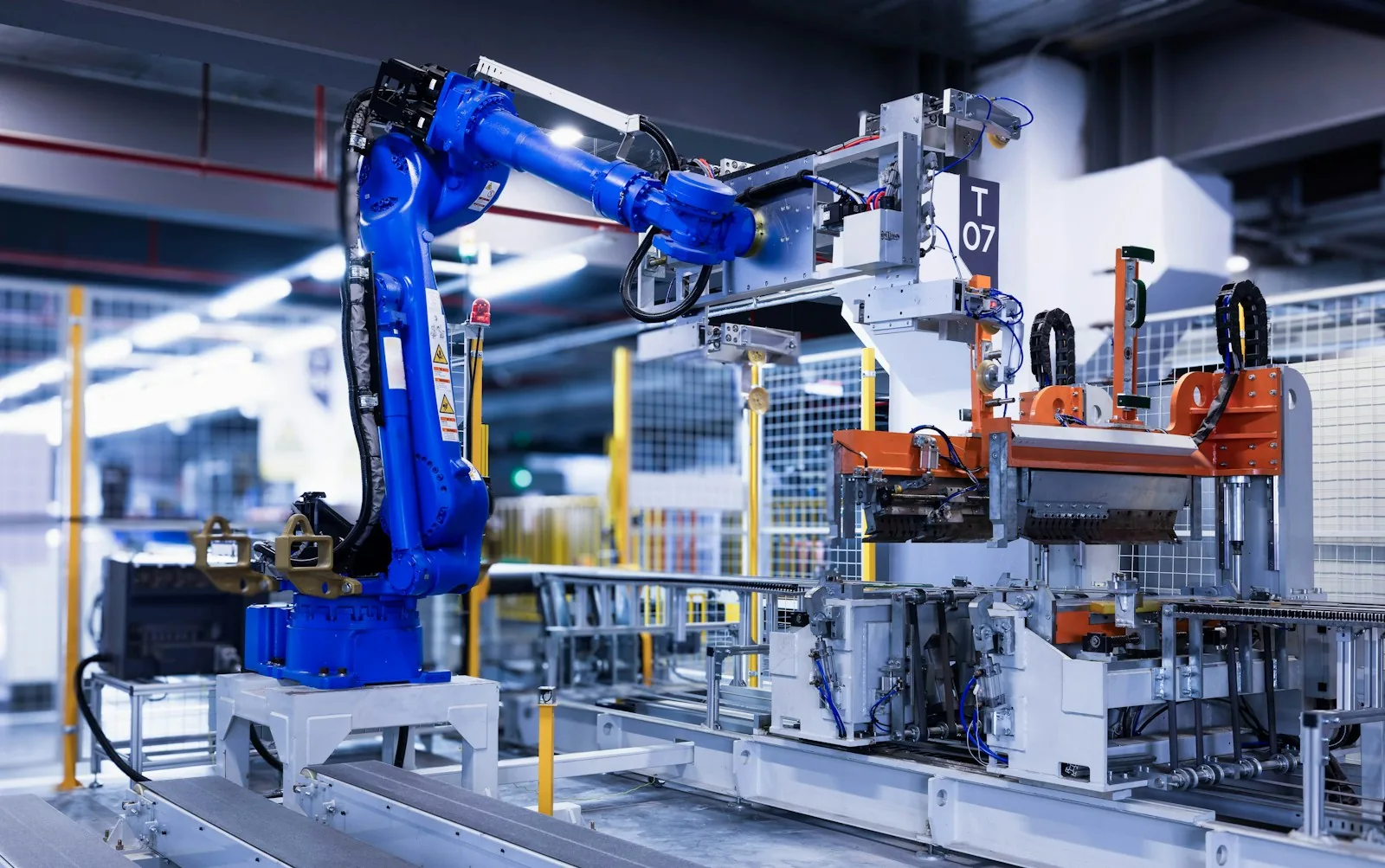
The company recently opened its fifth next-generation fulfillment center, a 900,000-square-foot facility in Stockton, California designed with advanced robotic systems. However, reports reveal that Walmart has encountered multiple obstacles in rolling out these automated warehouses. The problems range from practical issues, such as cardboard boxes that are too large for machines to process efficiently, to equipment failures including self-driving robots that frequently malfunction during operations.
A key reason behind these difficulties stems from Walmart’s approach to modernization. The retailer is often retrofitting automated technology into existing warehouses built decades ago in the 1980s and 1990s. Additionally, Walmart uses a patchwork of robotic systems from different vendors for various tasks across different locations, which creates compatibility and maintenance challenges.
Real Costs That May Impact Shoppers
One of the most pressing concerns is the financial burden automation creates. While the goal is eventually to reduce labor costs, the reality is more complex. Specialized engineers required to maintain sophisticated robotic equipment command higher salaries than standard warehouse workers. More surprisingly, operating costs for electricity at automated facilities are substantially higher: around $800,000 monthly compared to approximately $250,000 at traditional warehouses.
These expenses matter to you because they influence whether a retailer can offer competitive pricing. When operational costs rise significantly, those expenses can trickle down to consumers through higher prices and reduced selection availability.
The Online Ordering Problem
Walmart’s struggles extend beyond warehouse logistics to online shopping fulfillment from stores. Since 2016, the company has invested nearly $1 billion trying to automate the process of picking and packing online orders at store locations. This journey has included buying and then selling a technology partner, revealing how difficult executing this vision has proven.
The earlier system rolled out across 20 stores ultimately failed to meet efficiency standards. Walmart is currently working with a partner called Symbotic on an updated version being tested at a Dallas store location. The company expects this new system to be operational within roughly six months, with potential expansion to additional locations afterward.
What This Means for Your Shopping Experience
The good news is that Walmart’s fifth fulfillment center will create over 1,000 jobs and help the retailer handle increased customer orders while strengthening distribution capabilities across the Western U.S. The facility represents tangible progress toward faster delivery times, which benefits shoppers who expect quick service.
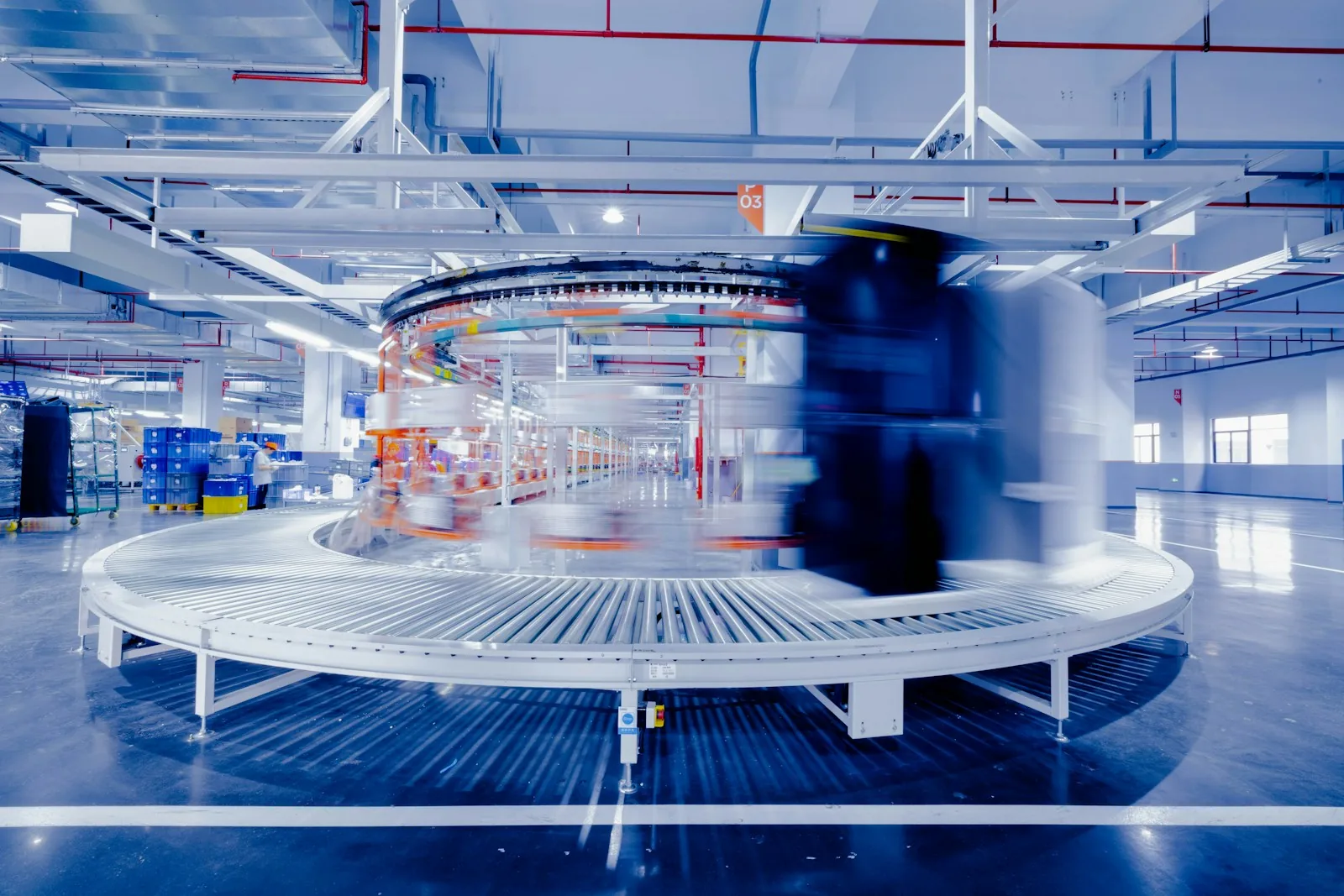
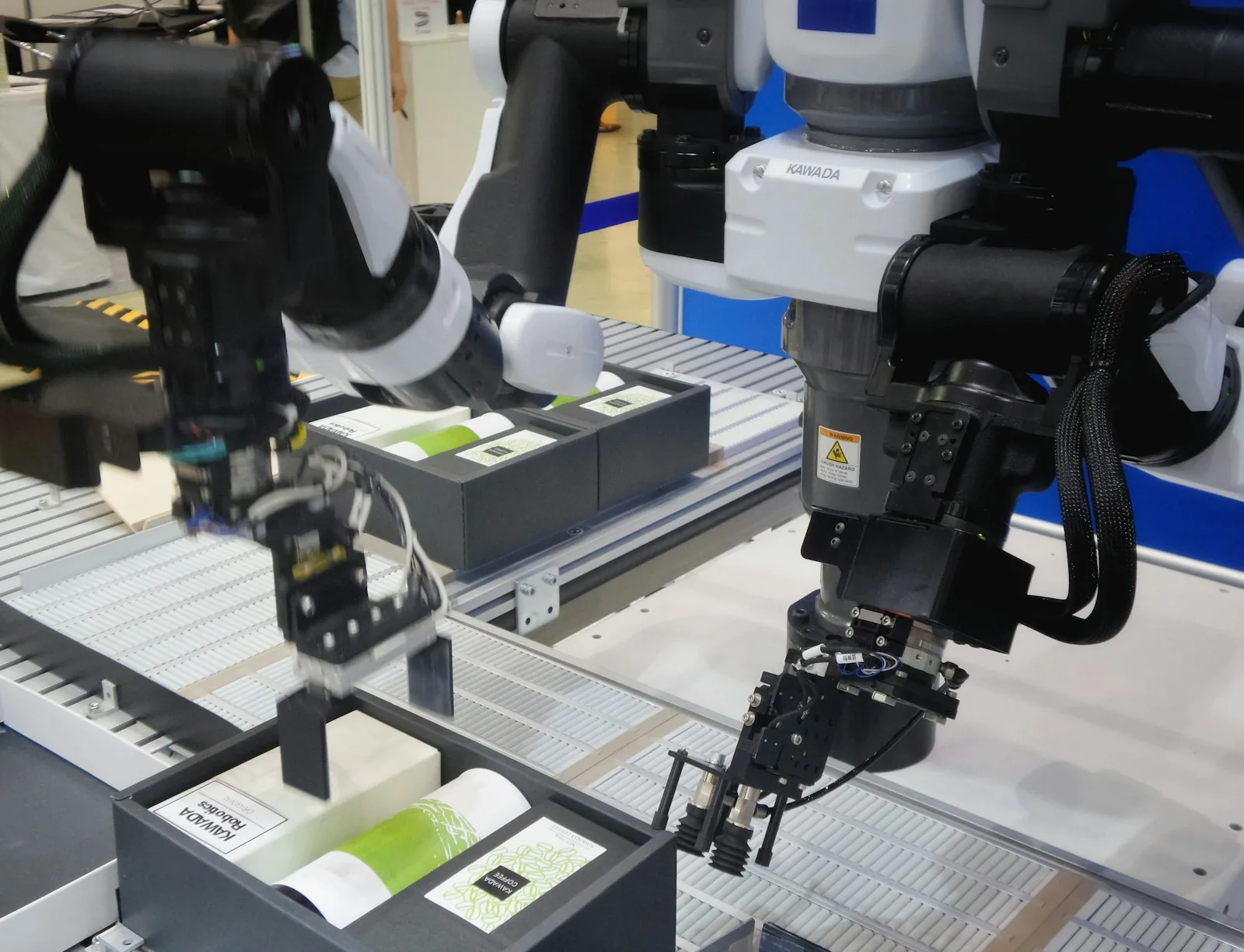
The broader picture, however, suggests that automation implementation takes longer and costs more than anticipated. Walmart’s next-gen fulfillment centers do achieve real operational gains, reducing order processing from 12 steps to five by using robotic devices and conveyor belt networks. Yet the journey to get there reveals that technological solutions are not simple plug-and-play fixes.
Looking Forward
Walmart has announced a sixth next-generation fulfillment center planned for Carnesville, Georgia, measuring 1.5 million square feet, with existing facilities in Indiana, Texas, Pennsylvania, and Illinois. As a shopper, understand that while these facilities represent investment in faster service, the path to achieving that goal involves real costs and complications.
The retailer’s experience offers a valuable lesson: when you compare shopping options across every deal category we track, consider not just advertised prices but also whether a retailer can reliably fulfill orders on time. Automation promises efficiency, but real-world execution remains a work in progress. Keep monitoring whether major retailers like Walmart can actually deliver on their speed and convenience promises, because that directly affects whether you get your orders when promised and at competitive prices.
For now, the automation investment suggests Walmart is serious about competing in fast delivery and e-commerce. Whether these expensive systems ultimately reduce costs enough to pass savings to customers remains to be seen, but the significant ongoing challenges indicate that transforming warehouse operations takes patience and substantial capital.