Retailer Execution Failures Are Costing Shoppers Real Money and Selection

Getting a food or household product onto a major retailer’s shelves seems like the ultimate victory for manufacturers. The planning, negotiations, and buyer presentations finally paid off. But here’s what many brands and shoppers don’t realize: distribution is only the starting line, not the finish line. Poor execution once a product reaches the store can quietly sabotage sales and limit what you’re actually able to buy.
Distribution Does Not Equal Sales
A fundamental mismatch exists between what retailers’ distribution reports show and what shoppers experience. When a product appears authorized in a retailer’s system, it may actually be sitting in a back room rather than on display. The price tag could be wrong. The item might be located in the wrong section entirely, making it nearly impossible to find. Promotional signage that was supposed to appear may never show up at all.
To the retailer’s internal data, everything looks fine. To you, the customer searching for that product, it’s either completely out of stock or so poorly positioned that finding it feels like a scavenger hunt. This distinction matters tremendously because manufacturers only make money when consumers actually purchase their products, not simply when authorization is granted.
How Small Problems Become Big Losses
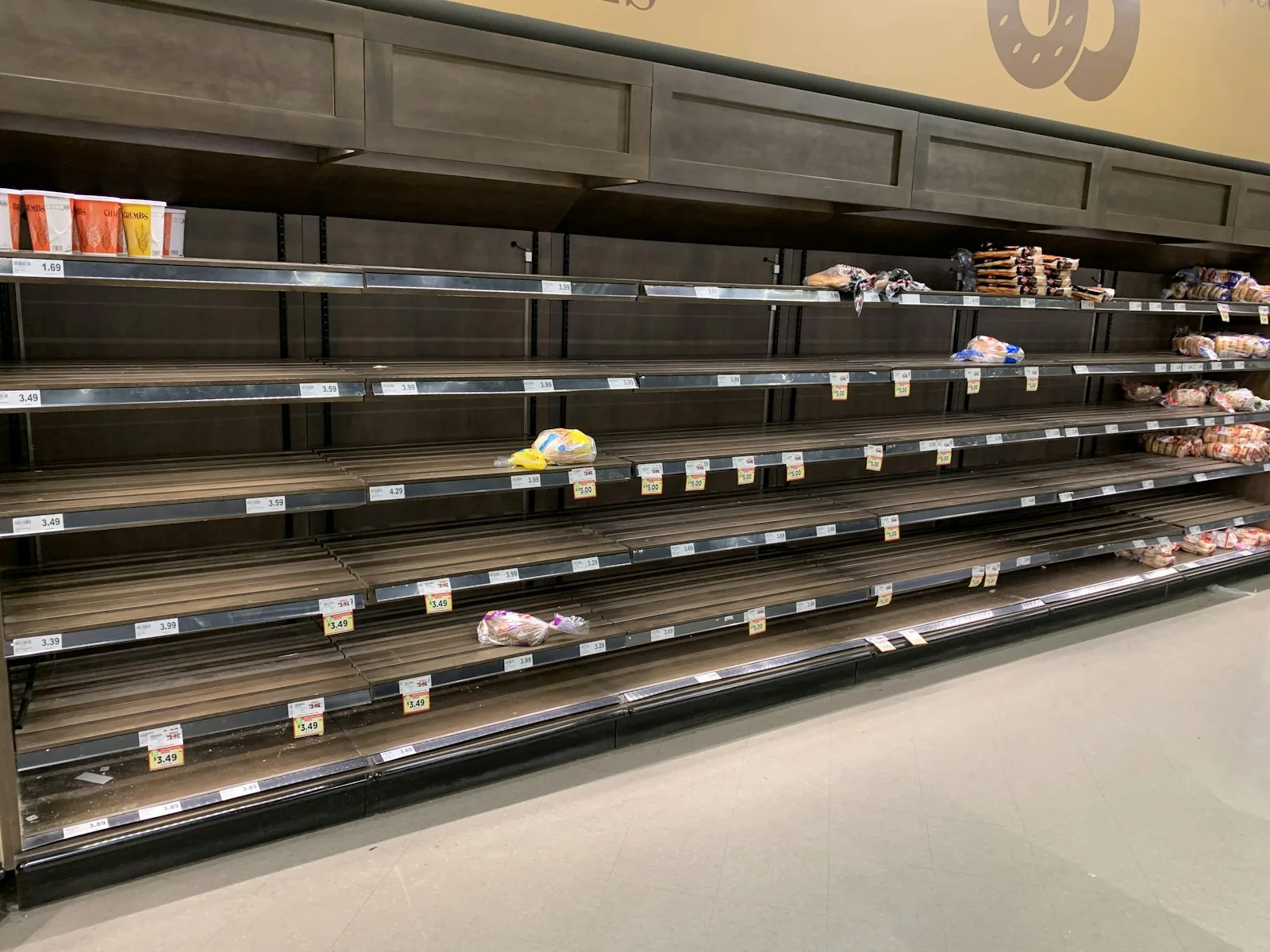
Store-level execution problems rarely announce themselves with obvious red flags. Yet their impact on sales and consumer behavior can be profound. Consider what happens when a product you came to buy is out of stock. You don’t just skip that one purchase. You’re likely to grab a competitor’s brand instead, potentially changing your shopping habits long-term. One lost sale becomes a pattern of lost loyalty.
Pricing errors create another layer of damage. If a promotional price fails to display correctly on the shelf, a campaign designed to encourage trial gets undermined before it starts. An incorrect everyday price can make shoppers question whether the product offers genuine value, especially during periods when consumers are carefully comparing costs across every deal category we track. When a retailer invests in advertising or marketing to drive demand, but the in-store experience doesn’t support that message, the disconnect becomes expensive and frustrating for everyone involved.
New product launches suffer most dramatically from execution failures. A new item must prove it deserves its shelf space within a specific window or face removal from the assortment. If that same product repeatedly goes out of stock, sits in the wrong location, or isn’t available where shoppers expect to find it, retailers may interpret weak sales as lack of consumer interest rather than recognizing the problem as an operational one. Brands can be discontinued based on execution failures rather than actual market demand, preventing you from ever discovering products that might have become favorites.
Visibility Is the First Step
Manufacturers cannot fix problems they don’t see. If a retailer doesn’t know a product is missing from shelves or priced incorrectly, nothing changes. This is why leading brands now use consistent processes to evaluate real-world conditions in stores, gathering verifiable data through photography, inventory checks, and detailed documentation.
Basic questions guide this work: Is the product on the shelf? Is it in the correct location? Does enough inventory exist? Is the price tag accurate? Are promotional displays set up as planned? When issues emerge, they must be documented and routed to the person who can actually resolve them. The goal involves identifying both one-off problems and broader patterns. A pricing error in a single store might be an anomaly. The same issue appearing across dozens of locations signals a systemic problem requiring different intervention.
Who Is Responsible for the Fix
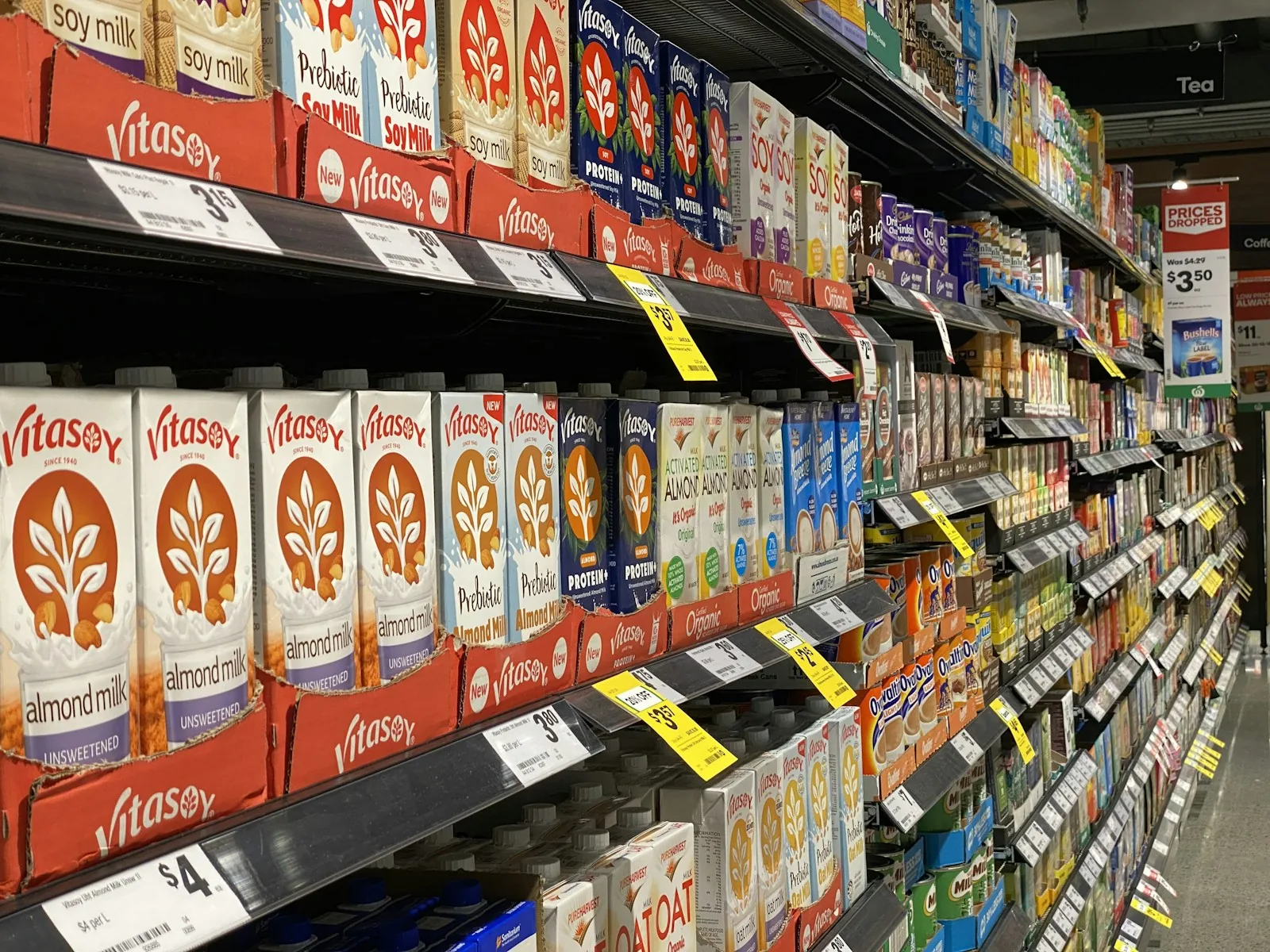
Multiple organizations touch a product between the manufacturer and your checkout register: brokers, distributors, retailer teams, and individual stores. This complexity makes it easy for accountability to slip between cracks. Someone needs clear ownership for in-store execution, supported by defined processes that consistently deliver information and insights needed for success.
The strongest performing brands establish partnerships with trusted retailers’ experts who have both authority and responsibility for store-level performance. When execution issues arise, these structures ensure problems reach the right person quickly. The difference between successful brands and struggling ones isn’t necessarily avoiding problems altogether. In large retail networks, execution challenges are inevitable. What separates winners from losers is how rapidly problems get identified and resolved.
Understanding AI dynamic pricing at retailers and what shoppers need to know also helps you recognize when pricing displays might be intentionally complex or when deals are genuinely available.
The Bottom Line for Shoppers
Your experience at the retailer depends on execution, not just authorization. A product may be officially available but functionally unavailable to you due to operational failures. When shoppers can’t find items, can’t verify prices are accurate, or repeatedly encounter out-of-stock situations, it indicates broader systemic problems that manufacturers and retailers need to address collaboratively. Demanding better in-store execution from your favorite retailers sends a message that these operational details matter to your shopping experience and purchasing decisions.