SNAP Food Restrictions What Grocery Shoppers Need to Know Right Now
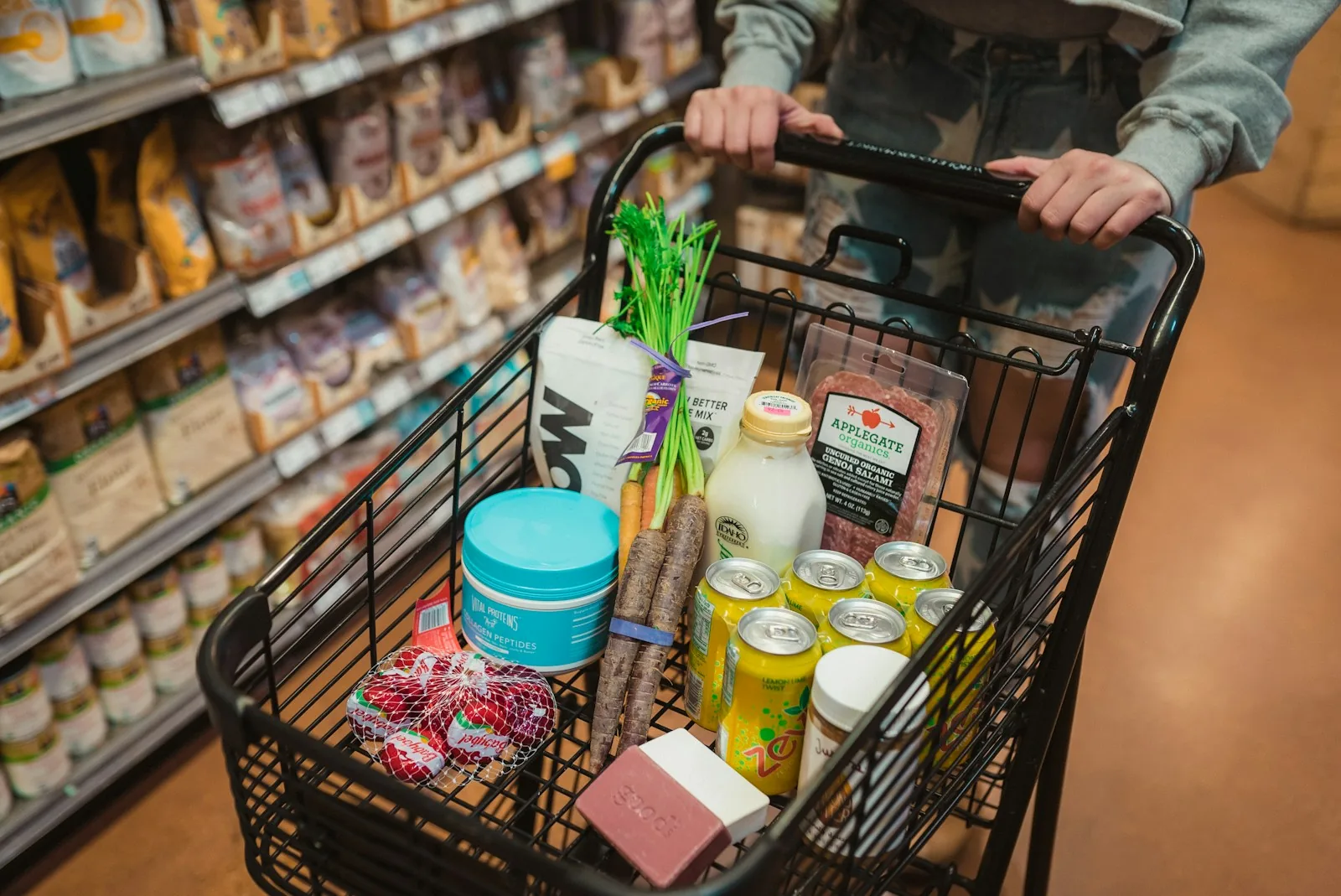
Major changes are happening in how grocers handle food benefits, and the implications for shoppers who rely on SNAP could be significant. A national trade organization representing food retailers has pushed back hard against proposed restrictions that would prevent the purchase of certain items like soda and candy with government food assistance funds. Understanding this conflict matters because it directly affects where you shop, what you can buy, and how easy it is for stores to process your benefits.
What Is Actually Happening with SNAP Restrictions
The U.S. Department of Agriculture has been moving forward with pilot programs in multiple states that would limit which foods qualify for purchase under the Supplemental Nutrition Assistance Program, commonly known as food stamps or SNAP benefits. These state-level waivers target items such as soft drinks, energy beverages, and confections. The federal government’s stated goal is to encourage healthier eating patterns among benefit recipients as part of broader health initiatives.
However, the Food Marketing Institute, which represents thousands of supermarkets and food retailers across the country, is urging the USDA to abandon these restrictions entirely. In formal comments submitted to the agency, the retailer advocates pointed out that the USDA may not have the legal authority to implement these limits under current federal law. A federal judge actually sided with similar arguments in June, ruling that the agency exceeded its legal powers when approving restrictions in five states.
Why Retailers Say This Creates Real Problems for Shoppers
From a shopper’s perspective, the core issue is confusion and inconsistency. Because different states have different rules about what qualifies as restricted food, a retailer operating across multiple states faces a compliance nightmare. One state might define “soda” one way while a neighboring state uses different criteria. This patchwork approach makes it nearly impossible for store staff to correctly process transactions.
The retailer organization highlighted a critical gap: seventeen states have failed to provide stores with product code lists showing which items no longer qualify. Six states do have lists, but four of those states haven’t kept them current and accurate. This puts your local cashier in an impossible position, potentially denying you the ability to purchase items that should actually be allowed, or creating delays while they search for clarification.
Smaller or independent retailers could be hit especially hard. Compliance costs and the risk of accidentally violating rules are pushing some stores to stop accepting SNAP altogether. That means residents in underserved areas lose access to the nearest place they can use their benefits. For shoppers in rural communities or low-income neighborhoods, this could mean traveling significantly farther to find a participating retailer.
What This Means for Your Shopping Experience
If the USDA continues with these restrictions, you could see several changes to your grocery routine. Stores may implement more complex checkout procedures to verify which items are eligible in your specific state. You might encounter unexpected denials at the register for products you believed you could purchase. Some independent grocers or smaller chains may simply opt out of accepting SNAP, making food shopping more difficult for families who depend on these benefits.
The retailer advocates suggest that if the goal is genuinely improving nutrition, there are better approaches already available. Programs that provide financial incentives for purchasing fruits and vegetables have shown measurable success in encouraging healthier shopping patterns without creating administrative burdens. These incentive-based models reward positive choices rather than restricting what people can buy.
Additionally, retailers are already managing multiple operational challenges and revenue pressures, making compliance with state-by-state restrictions an unwelcome additional burden. Stores are working hard to adapt business models without sacrificing service quality, and complex regulatory frameworks work against those efforts.
Where Things Stand Now
The USDA has delayed implementation of several previously approved waivers while it gathers public input on the proposed pilot programs. The retailer group’s formal opposition carries weight because these organizations represent the stores where benefits are actually processed. Their concerns about legal authority, operational feasibility, and shopper confusion are being documented in the official record.
As this situation develops, shoppers should stay aware that changes to SNAP purchasing rules could directly affect you or families you know. If you rely on food benefits, keep track of what your state is planning. Contact your local representatives if you have concerns about how restrictions might impact your ability to shop conveniently and affordably. The outcome of this dispute will shape grocery shopping experiences across the country, particularly for those who depend most on government food assistance programs.