Retailers Adding New Revenue Streams Without Hiring More Staff or Managing Inventory
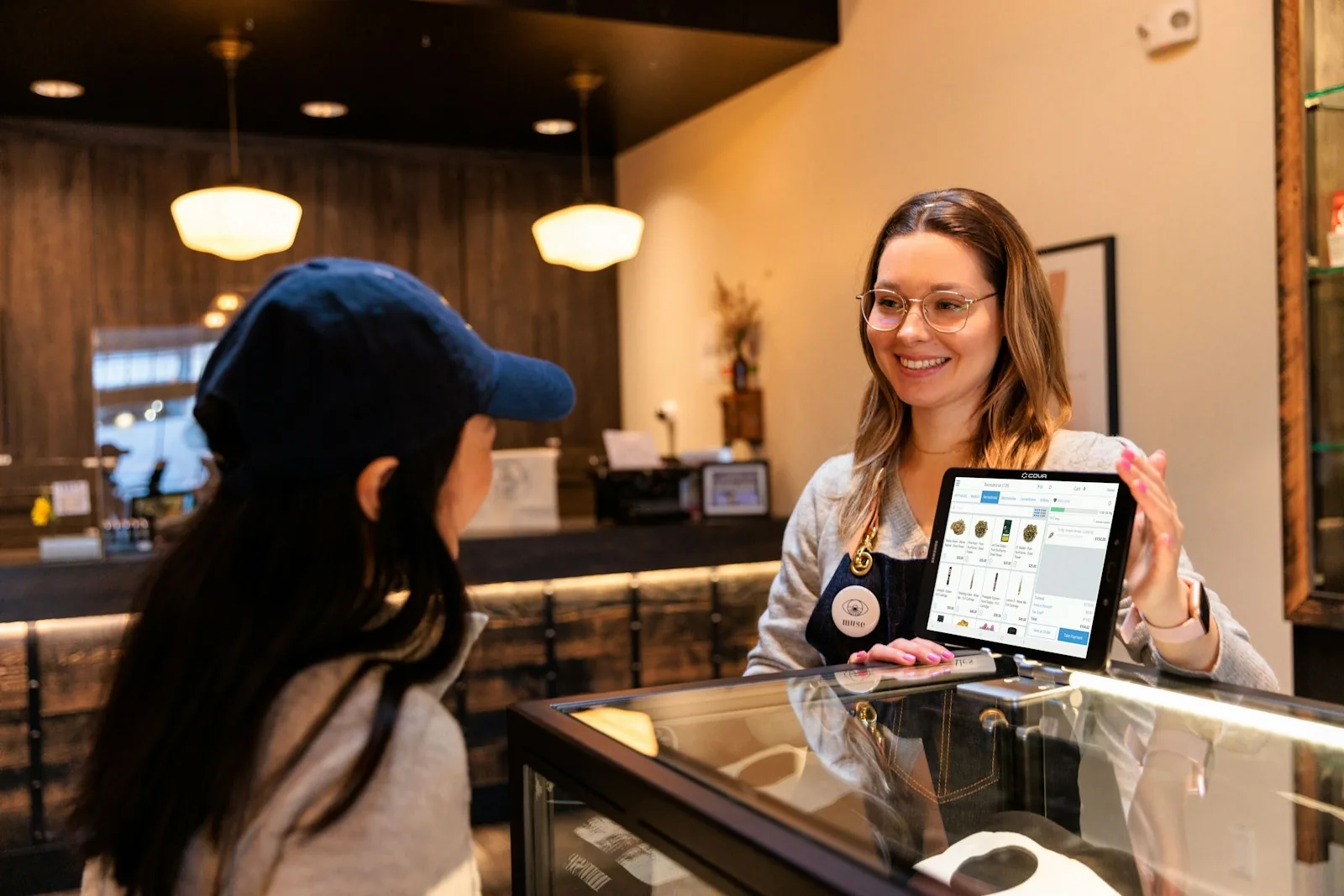
Retail store leaders face an increasingly difficult balancing act. Shoppers demand better value, more convenient services and frictionless purchasing experiences, yet profit margins remain under pressure and finding genuine growth opportunities is harder than ever. The core challenge: how to introduce new revenue without burdening store operations, staffing or logistics.
A growing number of major retailers are solving this puzzle through partnerships with specialized service providers who handle everything from customer enrollment to field operations and ongoing support. These arrangements allow stores to expand their service offerings without the traditional overhead that new business lines usually require.
How Partnership Models Work for Retailers
The strategic partnership approach gives retailers access to high-demand services like energy solutions, smart home technology and security systems. Rather than building these capabilities internally, the retailer makes space available on the store floor while a third-party partner manages all the operational details. This includes staffing, customer sign-ups, inventory, fulfillment and customer support.
From the shopper’s perspective, the benefit is clear: trusted services become available in convenient retail locations alongside the products and services they already shop for. For the retailer, the model creates incremental revenue without requiring hiring, training or managing new staff dedicated to the program. There’s no inventory risk, no shrinkage concerns and no need to divert management attention from core business operations.
What Makes This Approach Attractive to Store Operators
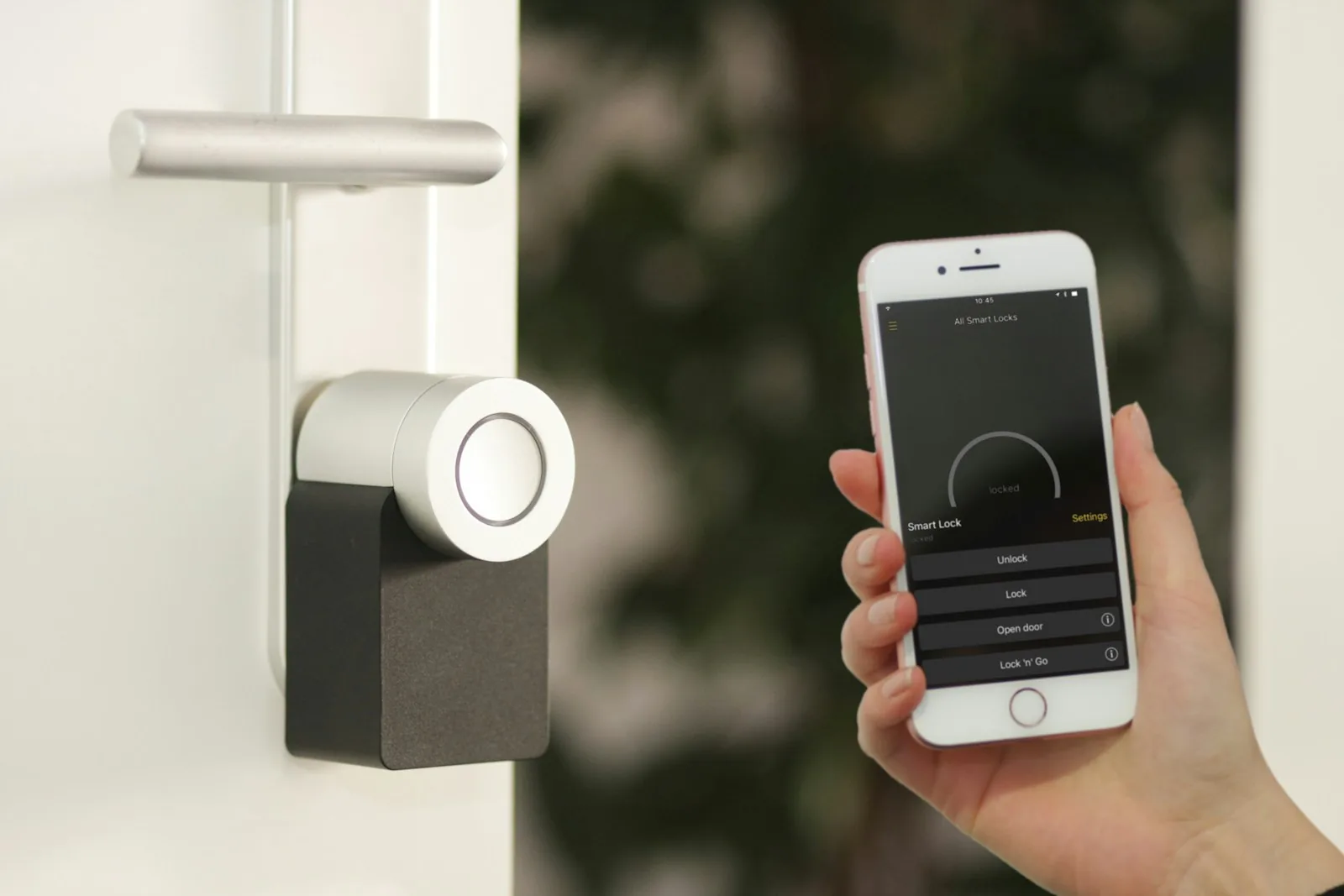
Retail executives are increasingly interested in these partnerships because they address several operational pain points at once. Labor costs continue to rise, finding qualified staff remains challenging and adding complexity to in-store operations can slow down service. A fully managed partnership sidesteps these issues entirely.
Partners bring scale, expertise and established customer bases. When a service provider has already served millions of customers across North America and operates sophisticated infrastructure for fulfillment and support, retailers gain access to that institutional knowledge without building it themselves. This is particularly valuable for services like energy management and smart home solutions, which require technical expertise and ongoing customer education.
The arrangement also aligns with what modern shoppers actually want. Interest in smart home technology, energy efficiency and home security continues to grow, and consumers increasingly expect to address these needs through convenient, trusted channels. By offering these services, retailers can position themselves as one-stop destinations for home improvement and modernization, not just traditional shopping.
What This Means for Your Shopping Experience

As a shopper, you may begin noticing new service offerings appear in your favorite retail locations. Unlike temporary pop-up vendors or poorly integrated third-party counters, these partnerships are designed to feel seamless and professionally managed. The personnel handling these services are employed and trained by the service provider, ensuring consistent quality and expertise.
You’ll likely encounter promotional materials and enrollment opportunities for energy solutions, smart home devices or security services during routine shopping trips. The important thing to understand is that these programs come from established, credible companies with track records serving millions of customers. When you’re evaluating deals across every deal category we track, consider these in-store partnerships as legitimate options for services you might otherwise need to research and arrange separately.
Because these partnerships are structured to require no effort from retail store associates, checkout lines and customer service won’t suffer. The dedicated staff handling these programs have one job, which typically means better service and faster enrollment than you might get from a stretched-thin retail employee juggling multiple responsibilities.
The Bigger Picture for Retail Strategy
This trend reflects a broader shift in how successful retailers think about their role in customers’ lives. Rather than pure product sales, forward-thinking stores are becoming service platforms. How major retailers are shifting strategy around celebrity partnerships and what shoppers should expect shows that expanding beyond traditional retail boundaries is now standard practice.
For retailers, the financial upside is substantial. Each enrolled customer represents ongoing revenue that requires minimal operational involvement. As energy prices and home automation technology become increasingly important to household budgets and daily life, having these services available where people already shop gives retailers a significant competitive advantage.
The model also improves customer loyalty. When a retailer becomes the place where you not only buy groceries or household items but also enroll in energy savings programs or upgrade your home security, shopping trips become more valuable and frequent.
Shoppers should expect these partnerships to expand and become more common throughout 2025 and beyond. As retailers continue seeking ways to grow revenue without adding operational complexity, managed service partnerships offer a proven solution. When you encounter these programs in your local stores, understand that they represent an intentional strategy to improve your shopping experience while helping the retailer thrive. Target parking lot controversy raises questions about what shoppers should know regarding retailer policies, highlighting why understanding retailer decisions matters.