Retailer Holiday Revenue Expectations Up for 2026 What Shoppers Should Know
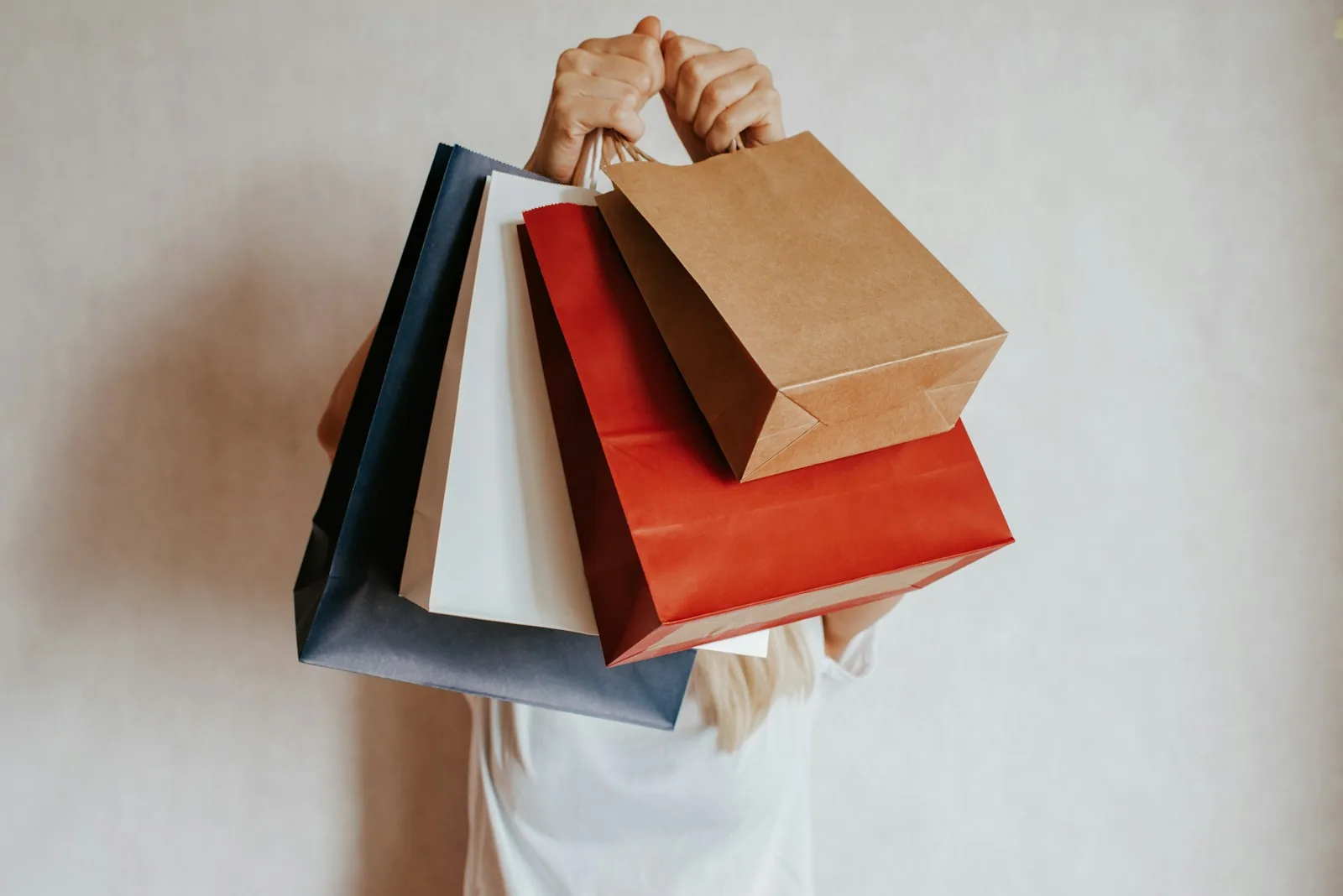
Retailers are entering the 2026 holiday season with significantly more confidence than they felt a year ago. According to a recent survey of brand and retailer professionals, three-quarters of respondents expect their holiday revenue to grow between 1 and 31 percent or more compared to 2025 results. This represents a major shift in sentiment, especially given the cautious outlook marketers held just twelve months earlier.
The optimism, however, comes with caveats. Even as retailers anticipate stronger sales, they are navigating persistent economic headwinds that will shape how they approach the holidays and what deals shoppers can expect to see.
Economic Pressures Reshape Discount Strategy
One of the most significant findings is what retailers are NOT planning to do: slash prices dramatically. Eighty-one percent of surveyed professionals said they expect their 2026 holiday discounts to be roughly the same as their 2025 discounts. This marks a deliberate departure from the heavy-discounting approach that has defined recent holiday seasons.
The reason is straightforward: costs are rising faster than many companies can absorb. Transportation, fuel, and production expenses have all increased, squeezing margins. Rather than absorb those costs by offering steeper markdowns, retailers are turning to alternative strategies that add value without eroding profits as much.
“Costs are getting so high, and the economy is soft right now,” according to executives interviewed for the survey. With smaller companies particularly vulnerable to absorbing price cuts, the shift away from deep discounting protects retailer viability while still attracting holiday shoppers.
Bundle Deals and Gifts With Purchase Take Center Stage

Instead of traditional discounts, retailers are embracing product bundling and gifts with purchase as their primary promotional tools. These strategies allow shoppers to feel they are getting more value without requiring retailers to cut profit margins as severely.
This approach works especially well during the holidays, when consumers tend to purchase multiple items of the same product for different people. A bundled offer or a complementary item added to a purchase can feel like a significant incentive while costing the retailer far less than a percentage discount would.
Industry leaders note that gifts with purchase serve a dual purpose: they encourage one-time holiday buyers to keep something for themselves, increasing the transaction value and introducing customers to new products. This trial-and-error approach can convert gift shoppers into repeat customers in the long term, justifying the upfront cost to retailers.
Personalization and Loyalty Programs Gain Importance
Beyond promotions, retailers are investing heavily in rewards programs, exclusive member access, and personalized offers. Rather than blanket discounts applied to all shoppers, the new approach targets incentives to specific customers based on their behavior and purchase history.
This strategy reflects a broader recognition that not all consumers need the same nudge to buy. Some customers are loyal and will spend regardless of promotions, while others need an extra incentive. By targeting offers precisely, retailers can build long-term loyalty without wasting promotional dollars on customers who would have purchased anyway.
Personalization also extends to the type of products being promoted. Industry professionals anticipate a cultural shift toward experiential gifts, nostalgia-driven purchases, and products from mission-driven or founder-led brands. This means shoppers may see retailers featuring smaller, more unique brands alongside their mainstream inventory. You can track every deal category we track to see these trends play out across retailers.
Election Year Dynamics and Consumer Confidence
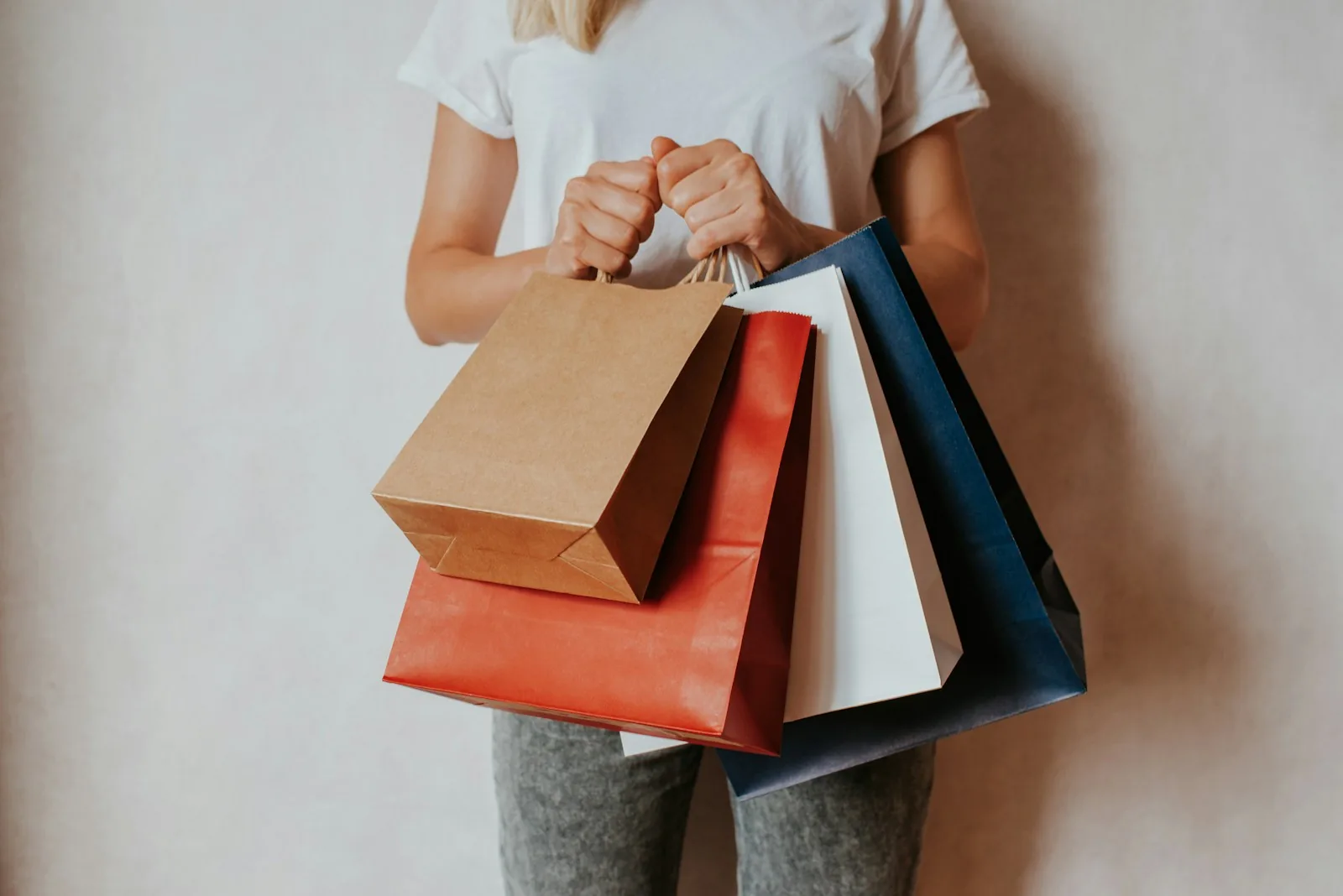
The political calendar adds another layer of complexity to 2026 holiday retail. In an election year, consumer sentiment around inflation and affordability becomes more prominent in public discourse, which can shape spending behavior independently of actual economic conditions. Retailers are aware that messaging around value and affordability may resonate more strongly during an election cycle.
Consumer confidence remains a concern despite the revenue optimism. While spending has historically proven resilient during holidays, the allocation of that spending may shift. Consumers increasingly prefer to invest in experiences, wellness products, and items from brands with clear values rather than mass-produced goods.
This shift presents an opportunity for retailers adding new revenue streams without hiring more staff or managing inventory, as many are expanding beyond traditional product offerings.
Cross-Brand Partnerships Emerge
Another trend gaining momentum is collaboration between brands of similar size and positioning. Rather than competing directly, complementary retailers and brands are partnering to offer exclusive gifts with purchase or co-branded bundles. This approach spreads the cost of promotional offerings across multiple partners while providing shoppers with more diverse and compelling deals.
These partnerships also reflect a practical reality: customer acquisition costs during the holidays are extremely high. By partnering with like-minded brands, retailers tap into each other’s existing customer bases more cost-effectively than acquiring new customers through traditional advertising.
For shoppers, this means the 2026 holiday season will likely feature more innovative, curated offerings and less aggressive discounting than recent years. Retailers will focus on making existing discounts feel more valuable through bundling and personalization rather than simply reducing prices across the board. Understanding these shifts can help consumers identify the best deals and make smarter holiday shopping decisions.