Major Retailers Update Staff Uniforms to Boost Shopping Experience

Two of America’s largest retailers have made bold moves to transform how their workforce appears in stores. Both Kroger and Target have implemented new dress code policies designed to make employees more visible, approachable, and professional. These changes reflect a broader strategy to elevate the in-store shopping experience at a time when brick-and-mortar retail faces mounting pressure from e-commerce competition.
Kroger’s Company-Wide Uniform Overhaul
Kroger has rolled out its first major dress code update in a decade, requiring all in-store staff to wear standardized company-issued shirts across every banner. The new uniforms feature the grocer’s shopping cart logo prominently displayed on both the front and back, with three color options: blue, red, and black. Individual corporate divisions will select which color works best for their stores.
Karl Neimann, Kroger’s Vice President of Human Resources, explained that the uniform initiative came about a year ago following direct customer feedback. Shoppers indicated that store associates were not as visible or accessible as the retailer had assumed. The new dress code directly addresses this concern by creating a cohesive, instantly recognizable look that helps customers identify and locate employees when they need assistance.
Target’s Grocery-Specific Dress Code

Target took a more targeted approach with a dress code specifically designed for its grocery department employees. Beginning November 1, grocery workers must wear company-provided hats and aprons. Like Kroger’s initiative, Target’s change stems from the goal of improving employee visibility on the sales floor.
This grocery-specific update follows on the heels of broader uniform changes Target made earlier in the year. In March, the retailer implemented a company-wide appearance policy requiring all employees to wear red-sleeved shirts or a provided red vest, paired with either blue denim or khaki pants, shorts, or skirts. Employees are also prohibited from wearing prominent logos from competing companies.
What This Means for Shoppers
These uniform initiatives signal that major retailers recognize how critical the in-store experience has become. When you shop at a retailer that invests in staff visibility, you’re more likely to find help quickly when browsing aisles or looking for specific products. Standardized uniforms also create a sense of consistency and professionalism that influences how customers perceive the store overall.
The timing of these changes is significant. As retailer execution failures impact the shopping experience, chains like Kroger and Target are doubling down on customer service improvements. A more polished, visible staff presence can reduce frustration when you need to ask questions or locate items in the store.
Industry Trend Toward Enhanced Retail Environments
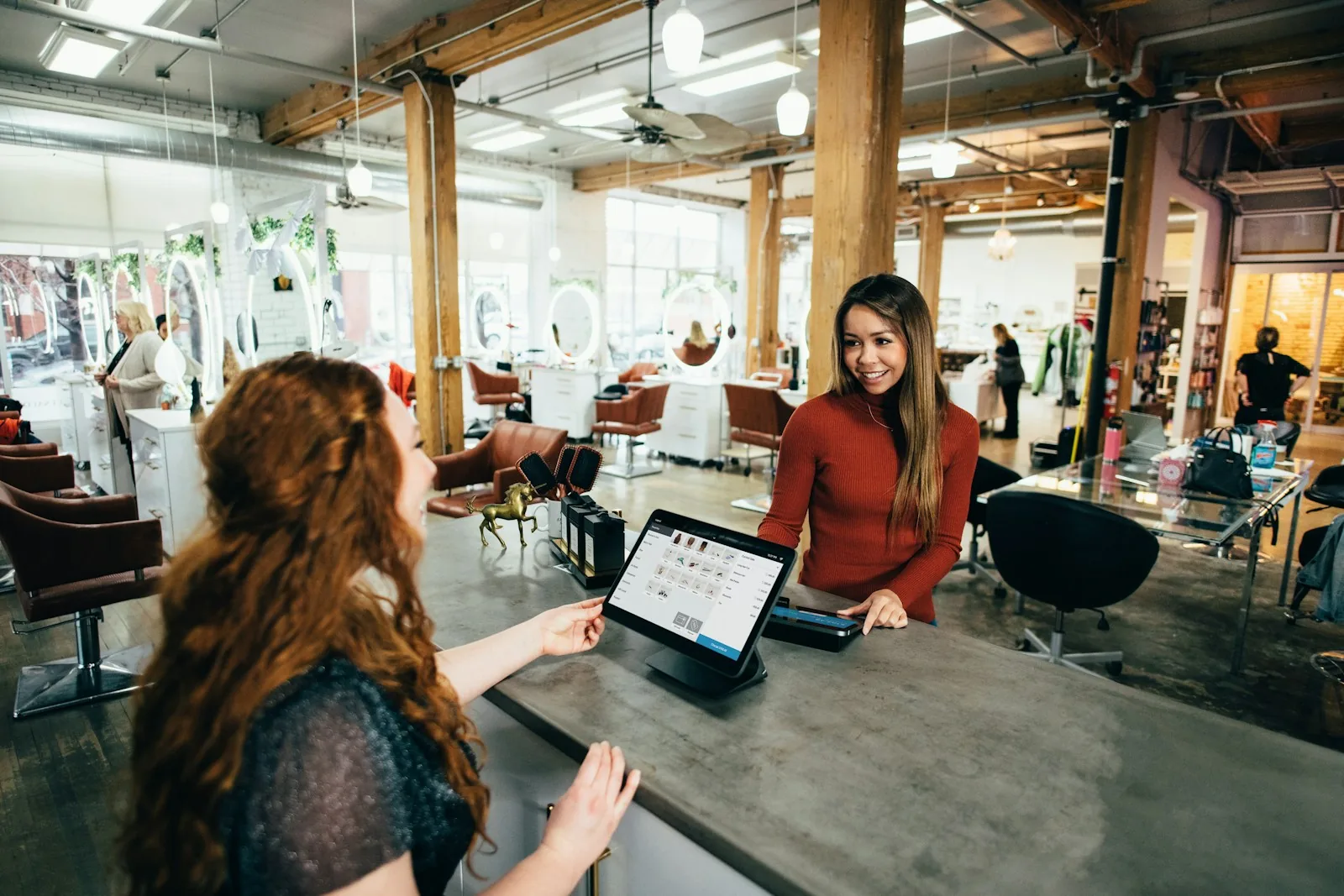
Kroger and Target are not acting in isolation. Across the grocery and retail sector, companies are recognizing that the physical store remains a critical touchpoint for customers. Beyond uniforms, retailers are investing in store design, technology integration, and employee training to create more welcoming shopping environments.
These dress code updates also send a message to employees. Standardized uniforms can enhance pride in appearance, foster a sense of team unity, and reinforce that customer service is a priority. When store associates look professional and are easily identifiable, both parties benefit from clearer, more efficient interactions.
Looking Ahead
As competition intensifies between traditional retailers, online marketplaces, and discount chains, investments in the human element become increasingly valuable. You cannot replicate a helpful, well-trained employee through a website. That’s why major retailers continue to refine how their staff presents itself and engages with shoppers.
Whether you’re a frequent Kroger or Target customer, you may notice these changes the next time you visit. Employees in their new uniforms represent a commitment to making your shopping trip smoother and more pleasant. In an era when many assume retail is dying, these moves demonstrate that established retailers are still fighting to earn your business by improving every aspect of the in-store experience, from the products on shelves to the people who help you find them.