Catalog Retailer J. Peterman Shuts Down What It Means for Shoppers

A Beloved Catalog Brand Has Stopped Taking Orders
J. Peterman, the whimsical mail-order retailer famous for its romantic and adventurous product descriptions, has ceased operations. The company’s websites now display messages indicating they are not accepting orders, and phone lines for customer service and corporate inquiries have been disconnected. This marks the end of an era for a business that became a cultural icon during the 1990s.
The closure comes after mounting financial pressures and legal challenges. In August, Ohio’s Attorney General filed a lawsuit against the company alleging serious consumer protection violations. According to court documents, the retailer failed to deliver orders on time, refused to process refunds for returned items, and made it difficult or impossible for customers to reach support staff. These actions would violate Ohio consumer protection laws if substantiated.
A History of Ups and Downs

J. Peterman has weathered financial turbulence before. The company filed for bankruptcy around the year 2000, yet founder John Peterman managed to reclaim the brand’s intellectual property and attempt a turnaround. The business even received a financial boost from John O’Hurley, the actor who famously portrayed a fictional version of Peterman on the television show Seinfeld, which is what brought the catalog into mainstream awareness in the first place.
By 2018, Peterman acknowledged that the company remained tiny and struggled to generate significant profits. As years progressed, losses accelerated dramatically. According to financial documents filed in 2023 when the company explored going public, J. Peterman posted a net loss of 3.6 million dollars in 2021 and 5.7 million dollars in 2022. The company warned investors that it expected to continue losing substantial sums indefinitely. A Chinese investment firm, Santai Global Asset Management Limited, became the majority owner, but ultimately the public offering never materialized.
What This Means for Current and Former Customers
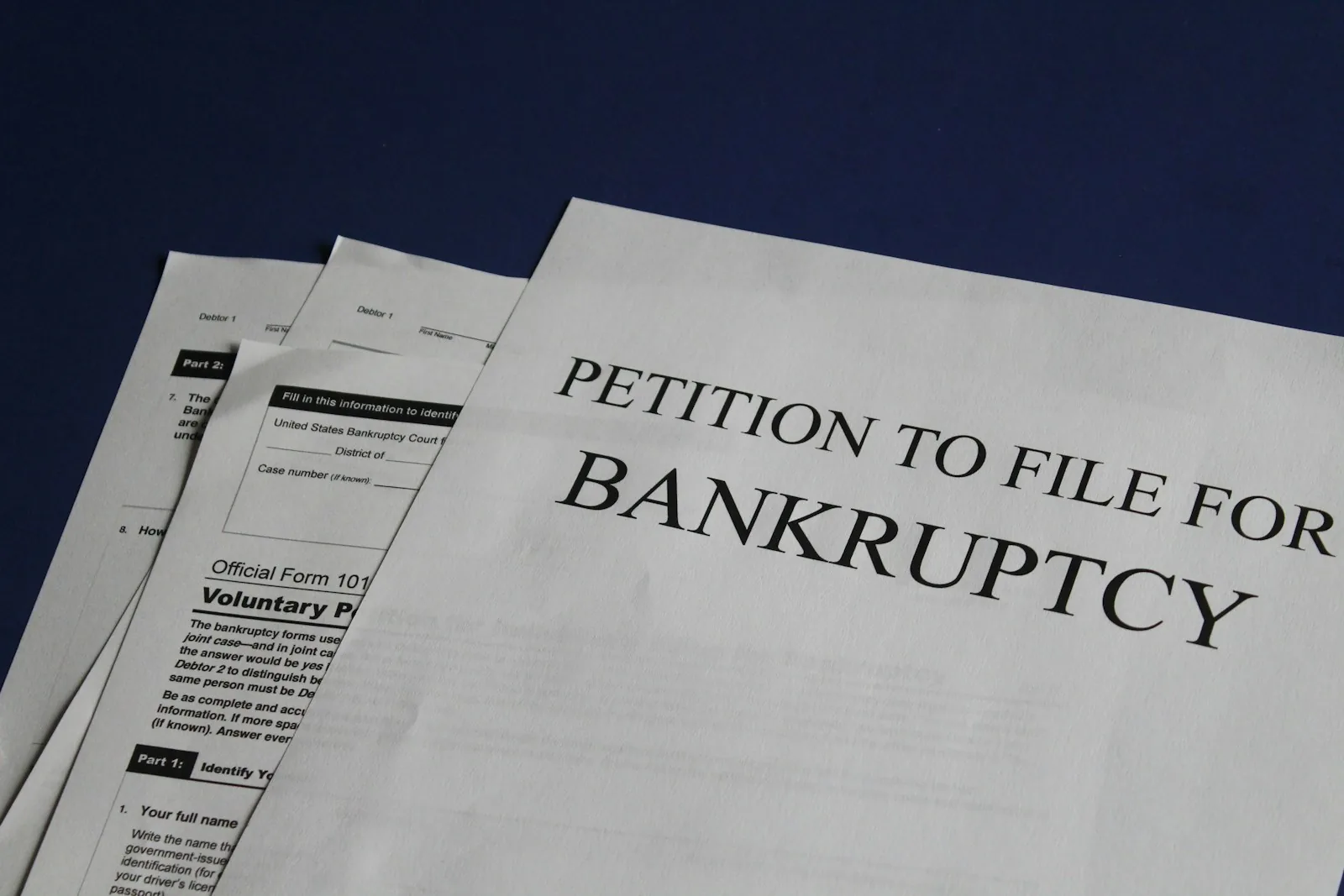
Shoppers who placed orders with J. Peterman may be unable to receive their merchandise or obtain refunds. The Ohio Attorney General’s complaint indicates that the company had a pattern of not delivering orders and denying legitimate refund requests. Customers who still have unresolved transactions should document their orders and consider filing complaints with their state’s consumer protection office or contacting their credit card company to dispute charges.
The collapse of J. Peterman reflects broader challenges facing traditional catalog retailers. Many direct-to-consumer brands struggle with the shift toward e-commerce and the intense competition from larger, better-capitalized retailers. Even niche operators with loyal fan bases can find themselves overwhelmed by operational costs, inventory management, and the need to maintain modern shipping and customer service infrastructure. When exploring every deal category we track, you’ll notice that established online retailers have advantages in fulfillment capability and customer support that smaller companies often cannot match.
Industry Implications
The J. Peterman shutdown underscores the vulnerability of smaller retailers, particularly those operating in specialized niches. While nostalgia and brand recognition can attract customers, they alone cannot sustain a business without sound operational execution and adequate capital reserves. The company’s experience shows how quickly a beloved brand can deteriorate when it cannot manage customer expectations around delivery, refunds, and communication.
For consumers, this situation serves as a reminder to be cautious when ordering from smaller or struggling retailers. Before making a purchase, check recent customer reviews, verify the company’s return policy, and consider using credit cards that offer purchase protection. Understanding major retailer shifts and what changes mean for shoppers can help you identify more stable options with stronger operational foundations.
J. Peterman’s closure also highlights the importance of regulatory enforcement. The Ohio Attorney General’s lawsuit demonstrates that state officials are taking action against retailers that violate consumer protection laws by failing to deliver products and refusing legitimate refunds. This enforcement activity protects consumers and holds businesses accountable for their obligations. As consumers navigate the retail landscape, it helps to understand how government agencies work to prevent fraud and ensure fair treatment, much like monitoring major retailer issues and refunds that affect shoppers.
The loss of J. Peterman represents the end of a unique chapter in American retail history, but it also serves as a cautionary tale about the challenges facing small to mid-sized merchants in today’s competitive marketplace.