Target Parking Lot Controversy Raises Questions About What Shoppers Should Know Regarding Retailer Policies
A controversy involving Target and federal law enforcement has raised important questions about how major retailers handle requests from government agencies to use their properties. This situation sheds light on a gap in retailer decision-making that could affect where and how shoppers visit stores across the country.
What Happened at Target
Target found itself at the center of national attention after an incident involving U.S. Immigration and Customs Enforcement agents in the Bronx, New York. Following the incident, a U.S. Congresswoman publicly accused the retailer of allowing ICE to establish operational areas in one of its parking lots. The retailer denied having any formal agreements with ICE, stating it has no cooperative arrangements with the agency or any other immigration enforcement organization.
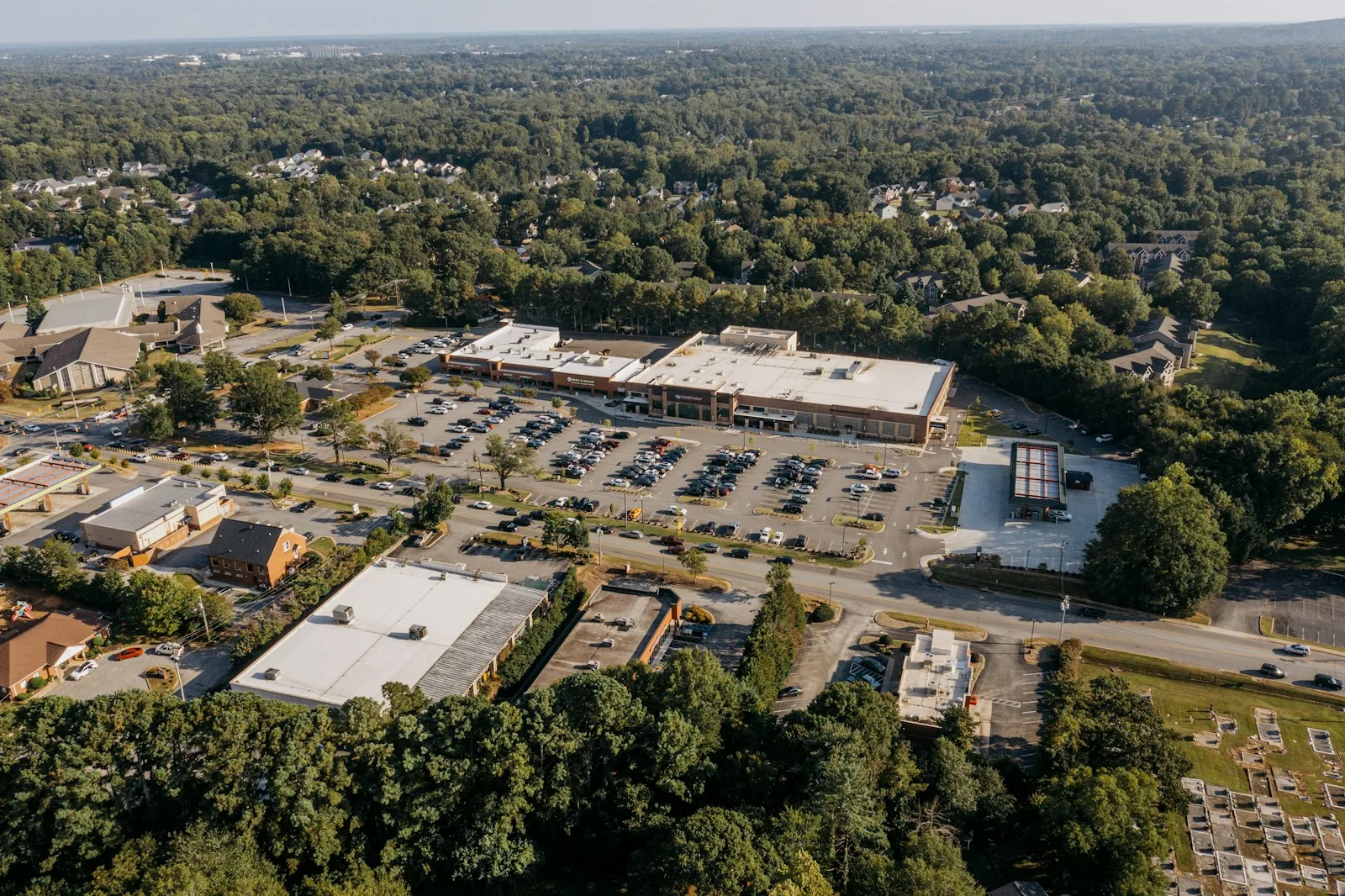
The Target location in question is part of a shopping center that the retailer co-owns with another property company. Local elected officials had sent a letter to the property owner requesting that measures be taken to prevent law enforcement agencies from using the parking lot for staging operations. The incident occurred just days after that letter was sent, adding fuel to the public debate.
The Retailer’s Tricky Position

What makes this situation particularly complex is that Target, like other major retailers, faces an awkward legal and operational reality. The company cannot simply block law enforcement from using its property without legal justification, even if store management wanted to do so. At the same time, hosting or appearing to host government agency operations can create negative associations and concern among community members and customers.
A spokesperson for the retailer confirmed that while Target has no evidence a large staging operation was established at the location and has made no agreement to host one, the company also cannot legally prevent lawful law enforcement activity. When asked whether the retailer would request that ICE or other agencies not use its parking lot, the company declined to comment. This silence reflects the difficulty retailers face when making decisions that could be criticized regardless of their choice.
Why This Matters for Shoppers
For consumers, this situation highlights something many have never considered: what happens when a retailer’s property becomes intertwined with government operations. Shoppers may feel unsafe visiting stores where they believe law enforcement staging is occurring. Communities may feel their trust in a retailer has been compromised. Even without formal agreements, the mere perception of cooperation can damage a retailer’s reputation and how customers view their shopping experience.
The incident has exposed a surprising gap in how retailers think about their properties. According to commercial real estate experts, most national retailers have never developed clear policies for handling requests from law enforcement agencies to use parking lots or other spaces. This is uncharted territory for the retail industry, yet incidents like these suggest it’s a conversation retailers need to have immediately.
What Retailers Are Learning

Industry experts now believe major retailers should develop written policies in advance rather than making decisions in the moment. Having a pre-established policy allows a retailer to point to established guidelines rather than appearing to make reactive choices during controversial situations. This approach protects both the retailer and its customers by providing clarity and consistency.
Retailers of all sizes, from large national chains to regional operators managing every deal category we track, are taking notice. The Target situation has become a wake-up call that this is not hypothetical. Whether a retailer owns or leases its property, developing a clear stance on law enforcement access is increasingly seen as essential planning. Some retail leaders have indicated they are now working on such policies to prepare for similar situations in the future.
The broader lesson here relates to how retailers handle their responsibilities to both their business interests and their communities. Poor retailer execution failures are costing shoppers real money and selection, and management missteps regarding community relations can compound those problems.
Looking Ahead
The Target incident demonstrates that consumers may increasingly ask questions about their favorite retailers’ policies on these issues. Shoppers concerned about community relations and how their shopping dollars support various local practices may want to inquire whether their preferred retailers have clear, published guidelines about law enforcement access to their properties.
For now, Target has stated it has no formal relationship with ICE. However, the fact that the question had to be asked in the first place shows that retailers cannot assume their properties will remain free from these kinds of complications. As immigration enforcement continues, retailers across America are likely to face similar situations. Having clear policies in place before that happens will help both retailers and their customers navigate these complicated issues more smoothly.