Target’s Major Retailer Shift: What Beauty and Grocery Changes Mean for Shoppers
Target is making a significant bet on transformation. The Minneapolis-based retailer has just completed one of its largest food overhauls in over a decade while simultaneously launching a major beauty initiative across more than 600 stores. For shoppers, this dual strategy means wider product selection, faster delivery, and an entirely new in-store experience designed to draw customers deeper into the beauty category.
A Complete Grocery Makeover Drives Customer Engagement
Target’s food section has undergone a comprehensive redesign that touches nearly half of its center store inventory. The retailer reorganized how products are displayed, introduced exclusive offerings, and rethought end cap arrangements to help shoppers discover items more easily. The changes reflect a strategic decision to make food a genuine destination rather than just a section to browse.
The results speak for themselves. Snack sales are outpacing the previous year by more than 15%, with particular strength in protein bars, meat sticks, and healthier snacking options. Target also expanded its produce department, created dedicated spaces for seasonal items, and added significant shelf space to fast-growing categories including global foods and specialty coffee products.
Beauty Gets a Studio Treatment
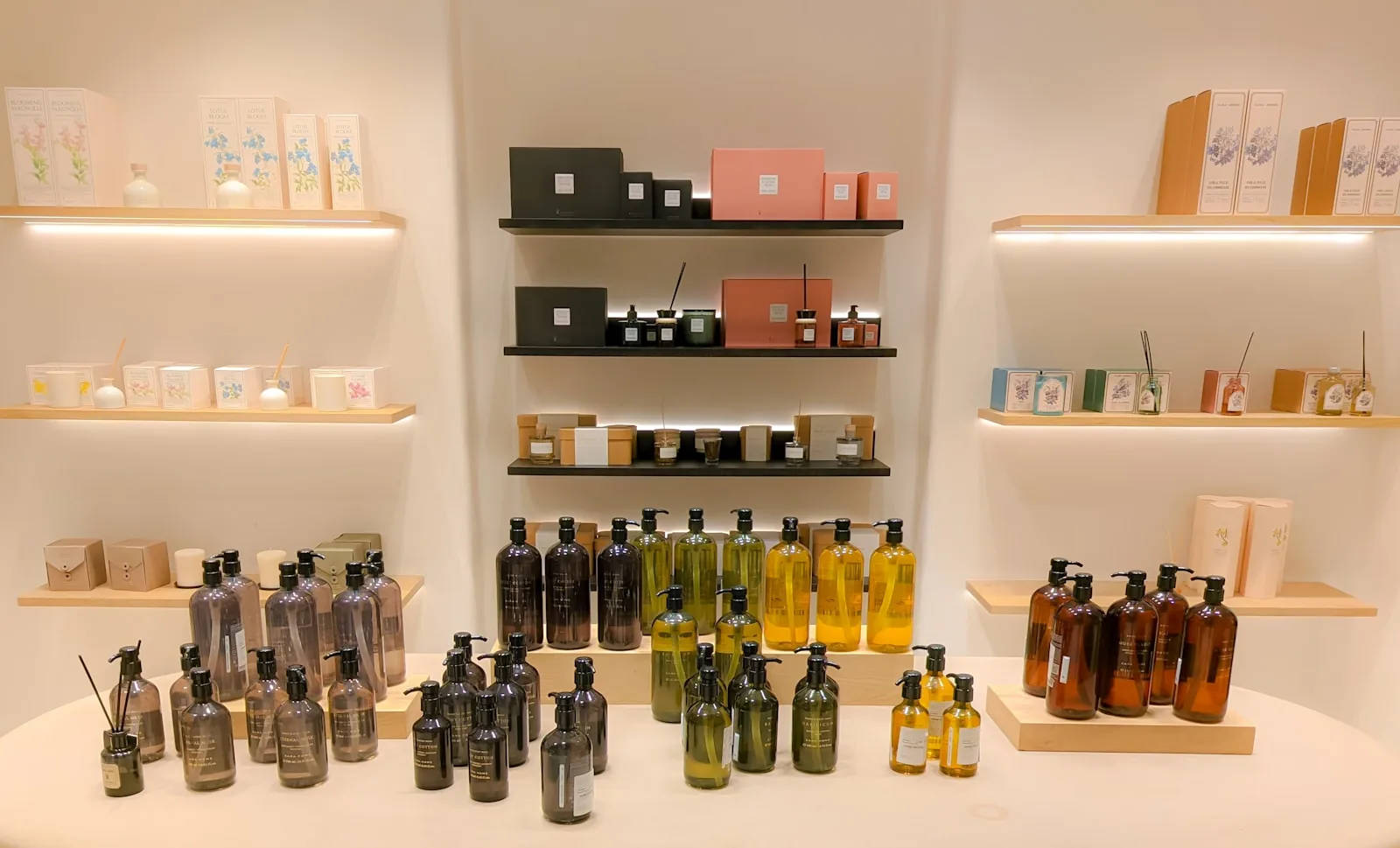
Moving beyond grocery, Target’s new Beauty Studio represents a fundamental shift in how the retailer presents cosmetics and personal care products. Launching in September across more than 600 locations, the Beauty Studio isn’t simply adding more products to shelves. Instead, it creates an immersive experience designed to engage customers in ways traditional retail sections cannot.
According to Target’s merchandising leadership, beauty has consistently performed well as a category, but the company is embracing a new vision that emphasizes experience alongside assortment. This positioning aligns Target with a broader retail trend toward creating destination experiences within stores, much like other retailers embracing immersive shopping environments.
Speed and Delivery Get a Boost
Target is investing heavily in making purchases arrive faster. During the most recent quarter, the retailer fulfilled nearly 30% more same-day and next-day delivery orders compared to the previous year. The company continues to pursue even faster fulfillment speeds.
To achieve this, Target is deploying technology like Proxima, a digital simulation system that models how inventory flows through the company’s distribution network. This tool lets team members test changes to inventory processes before implementing them, reducing errors and improving efficiency across the supply chain.
AI Integration Drives Online Traffic

Target’s partnership with major AI platforms is paying dividends. The retailer reported that digital traffic coming from external AI sources is growing at more than 3.5 times the industry average compared to a year ago. This suggests that shoppers are increasingly finding Target through AI-powered search and recommendation tools, a trend that benefits the company’s online sales channels.
For consumers, this AI integration means more personalized product recommendations and easier ways to discover items across every deal category the retailer offers. The combination of AI-driven discovery and improved in-store experiences positions Target to capture more shopping occasions.
What This Means for Your Shopping Experience
These changes indicate that Target is doubling down on becoming a lifestyle destination, not just a discount retailer. The emphasis on beauty, the grocery overhaul, and the technology investments all point toward a company trying to capture more of your shopping budget by making visits more engaging and convenient.
Shoppers can expect better product selection in familiar categories, innovative shopping experiences in new ones, and faster delivery options. Whether you’re buying snacks, beauty products, or fresh produce, Target’s transformations suggest the retailer is serious about competing at higher levels across multiple shopping occasions.
The strategy resembles how other major retailers have adapted to changing consumer behavior. Major retailers are making strategic investments to strengthen their positions, and Target’s focus on experience, selection, and speed reflects this broader industry shift toward customer-centric retail innovation.