Retailer Loyalty Programs Face a Personalization Risk That Shoppers Need to Know About

Major grocery chains are investing heavily in loyalty programs and AI-driven personalization to understand customer behavior and offer tailored deals. But a critical tension is emerging on the retail floor: How much customer data should a retailer actually collect and use?
During a recent industry conference, retail leaders from major chains shared a candid discussion about the limits of personalization. The consensus was clear: there’s a line between helpful and invasive, and many retailers are still figuring out where it is.
The Creepy Factor in Retail Personalization
One of the most telling comments came from a senior executive at a major regional grocer. “Everyone wants to be called by name if you think the person has a right to know your name, but a stranger calling you by name is creepy,” he explained. “We have to be really careful as we walk down that path to meet the customer where they are, and that includes their expectations of privacy.”
This sentiment reflects a growing awareness in the retail sector that not all data collection is welcome. Shoppers may enjoy discount offers tailored to their purchase history, but they don’t necessarily want retailers tracking every decision or anticipating needs they haven’t expressed. The key challenge for any retailer is understanding what customers actually want versus what technology makes possible.
What This Means for Your Shopping Experience
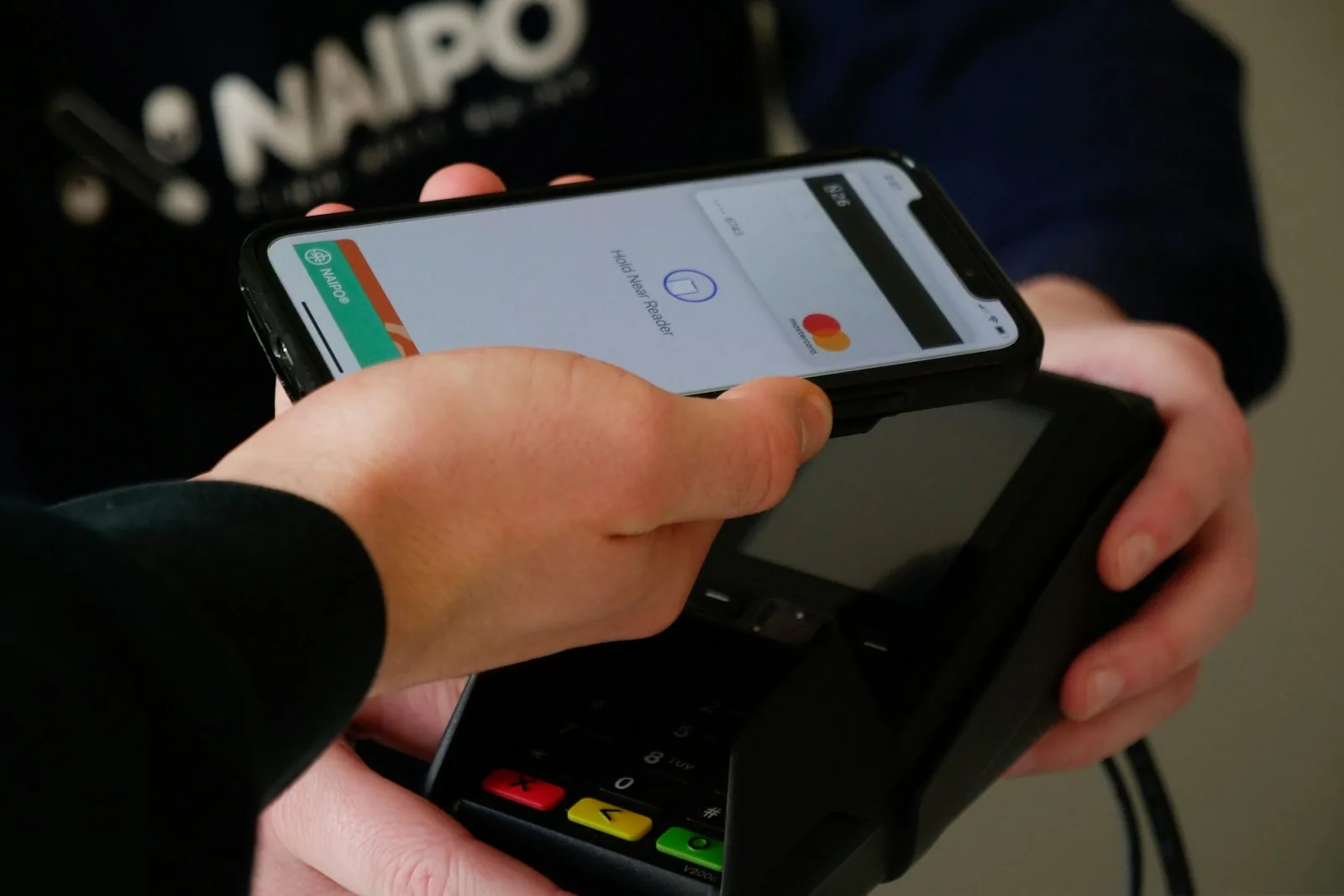
The good news: retailers are becoming more thoughtful about boundaries. If you walk into a store and just want to buy cake, the retailer shouldn’t assume they now have permission to track your baking habits forever or recommend kitchen equipment based on that single purchase. According to insights shared by major chain executives, customer trust depends on this restraint.
“If customers want to divulge additional information because they really want personalized results, retailers can use that and return actionable information to the shopper,” explained a vice president of digital analytics at a national grocer. “But that doesn’t give us the right to then continue to use that information over time for other use cases.”
This distinction matters because loyalty programs are becoming more complex and interconnected. Many chains now bundle offers across categories: earn grocery points that convert to gas rewards, or purchase gift cards from partner retailers like home improvement stores and rack up perks toward free fuel. These programs can provide genuine value, but they also create touchpoints where your data flows between systems.
How Retailers Are Building Better Loyalty Programs
Some of the most successful grocery chains are taking a measured approach. One major retailer has spent over 18 months developing its loyalty strategy and discovered the power of bundling and recognition. For example, they run an annual promotion where shoppers can get three free boxes of cereal if they buy two. Loyalty members get a notification alerting them to the deal, giving them a sense of being valued and understood without crossing into surveillance territory.
Timing also matters significantly. Smart retailers connect with customers at the moment of decision, not weeks later based on browsing history they’ve been secretly tracking. This approach feels more like helpful service and less like Big Brother.
You’ll find every deal category we track is increasingly influenced by how retailers use personalization. Those who strike the right balance tend to offer better-targeted promotions that actually benefit shoppers.
The Technology Race and Data Privacy
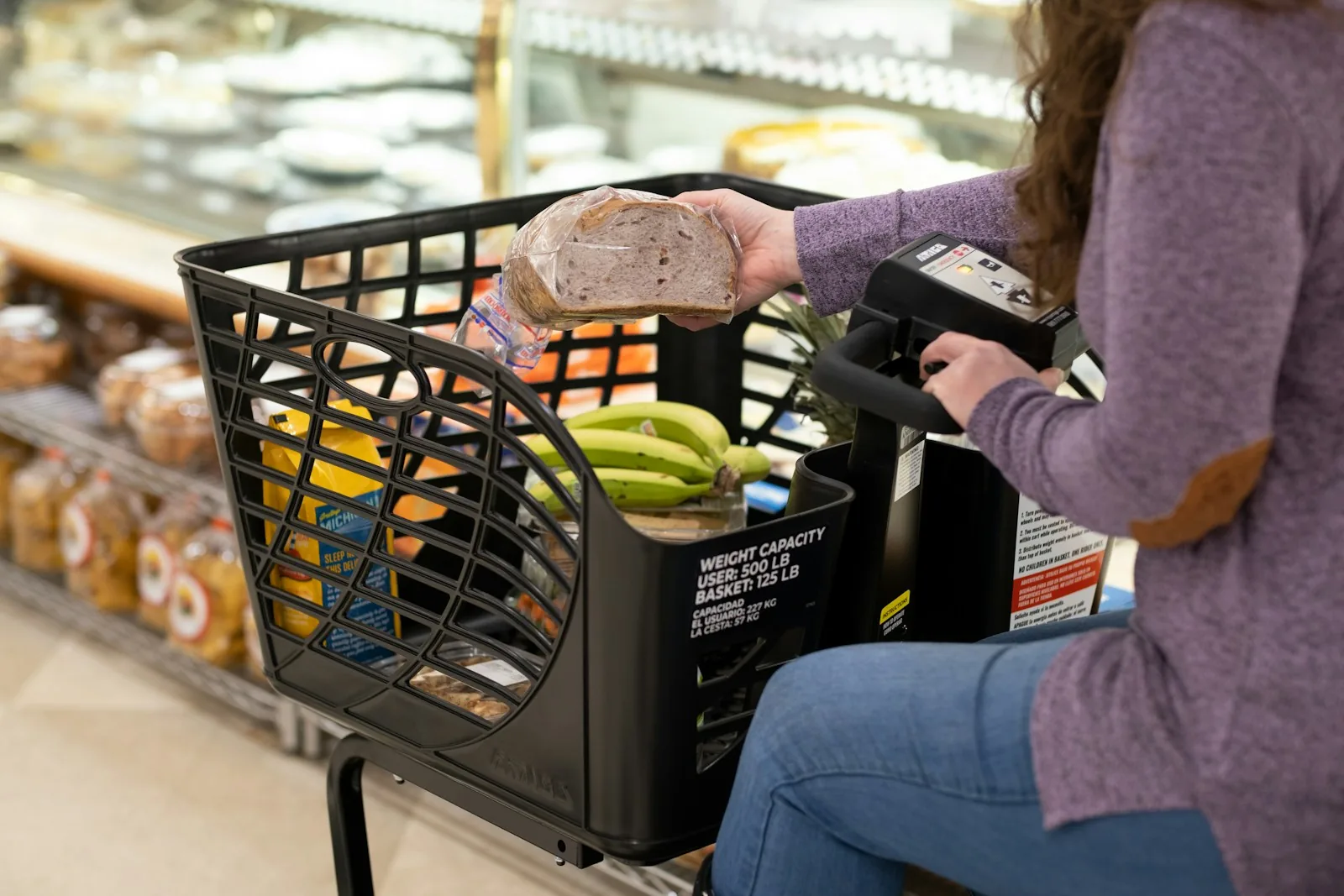
Behind the scenes, retailers are exploring more sophisticated tools, including AI models that analyze consumer behavior patterns and cognitive neuroscience data to create “digital twins” of customers. The goal is to anticipate needs and offer products customers might want before they realize it themselves. But this approach requires massive amounts of data, and it’s exactly the kind of capability that can feel invasive if not managed properly.
The challenge for retailers is combining their own transaction data with external behavioral insights while respecting the boundaries customers expect. Not every shopper wants their grocer to function as a predictive mind reader.
What Shoppers Should Do
If you participate in loyalty programs, pay attention to how much personal information you’re sharing. Most retailers require some data to run these programs, but you’re not obligated to volunteer everything. You can often opt out of data collection beyond the basics, and many chains are becoming more transparent about these choices.
Check recent retail performance reports to see which chains are being recognized for ethical loyalty practices. Ask your favorite retailer directly about their data policies if anything feels unclear.
The retail industry is at a turning point where personalization meets privacy. Shoppers who understand this dynamic can make better choices about which programs to join and how much data to share. The best retailers are those that enhance your shopping experience without overstepping the boundaries you’ve set.