Walmart Q2 Results Show Slowdown What It Means for Retailers and Shoppers
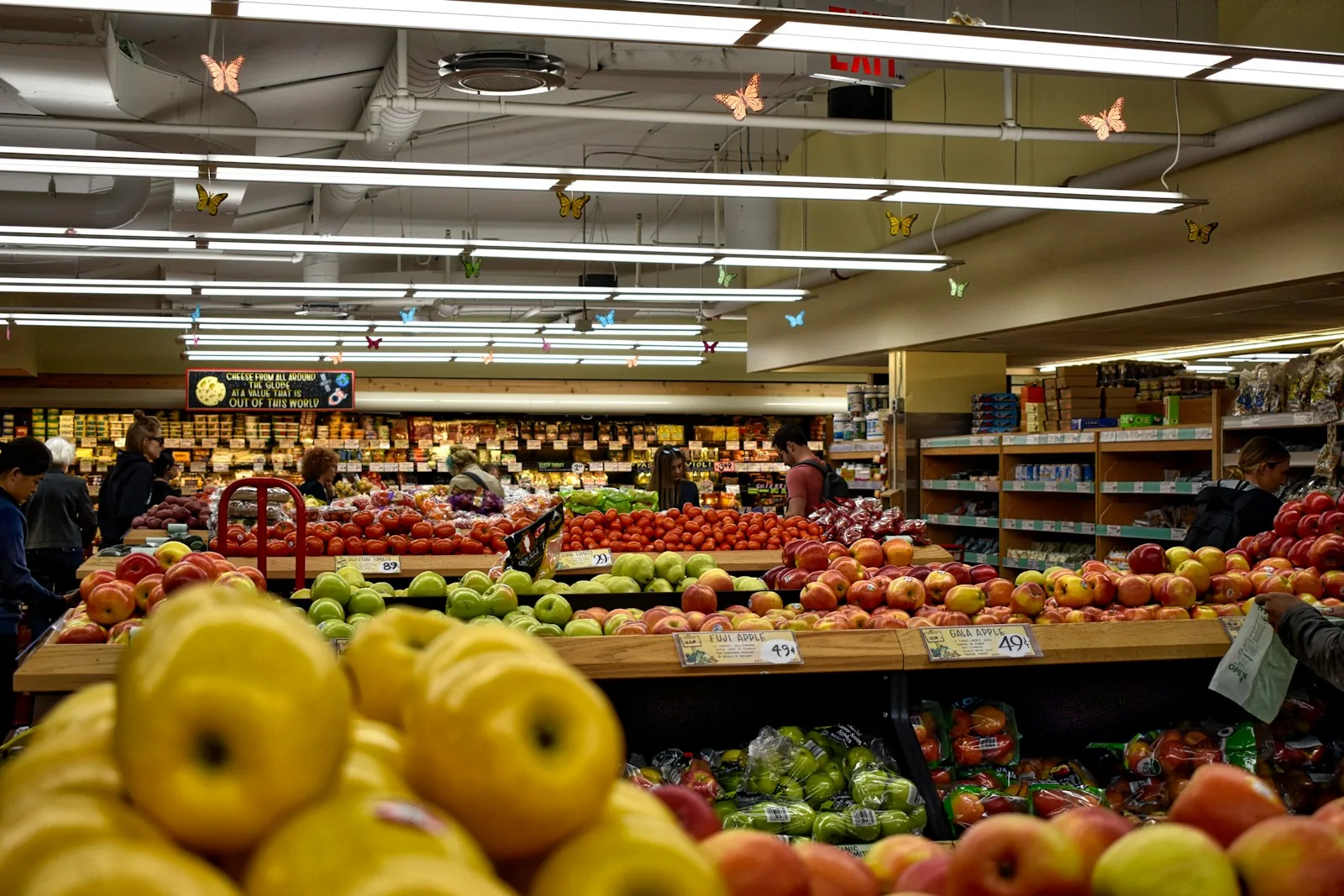
Major retailers continue to navigate shifting consumer behavior and market pressures, with recent earnings reports revealing important trends for the industry. Retailer grocery strategies are adjusting as shoppers face affordability pressure, and one of America’s largest chains experienced its weakest comparable sales performance in half a decade during the second quarter.
Understanding the Slowdown
A major retailer reported comparable sales results that marked the worst performance in six years, signaling challenges across the retail landscape. This slowdown reflects broader economic headwinds affecting consumer spending patterns and purchasing power. While the retailer’s overall performance dipped during this period, the grocery division showed surprising resilience, demonstrating that food and household essentials remain steady revenue drivers even when other segments struggle.
The gap between weak comparable sales and strong grocery performance highlights a critical insight for shoppers: the food business remains foundational to retail operations. Grocers and major retailers have increasingly focused on their food offerings as a way to maintain customer loyalty and traffic, recognizing that people prioritize necessities over discretionary purchases during uncertain economic times.
What This Means for Consumers
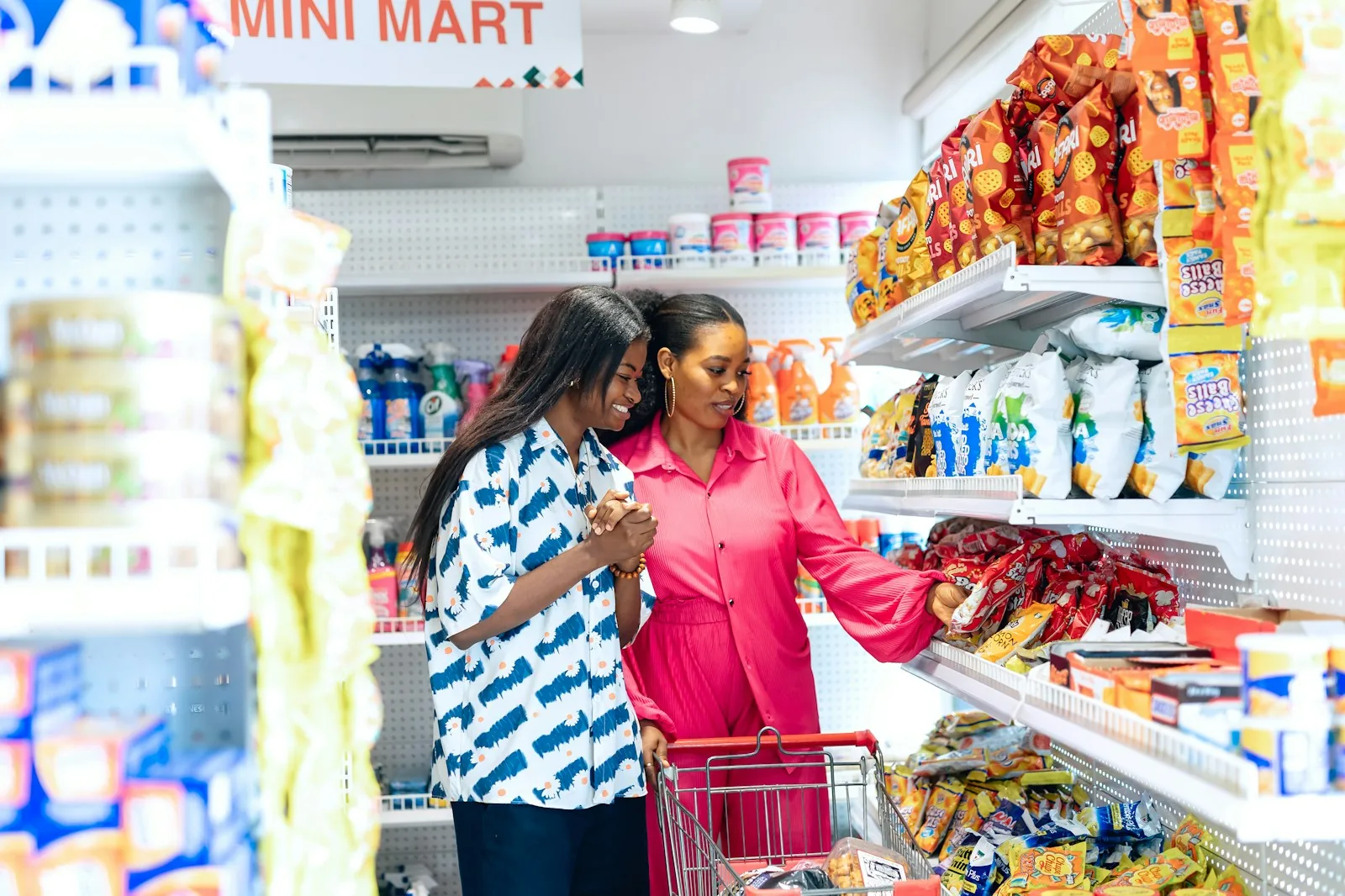
For shoppers, a slowdown at major retailers can signal several important developments. First, it may lead to more competitive pricing and promotional activity as retailers work to attract and retain customers. When sales growth stalls, companies typically respond by offering deals and incentives to drive traffic. This dynamic could create opportunities for consumers to find better prices across every deal category they track.
Second, retail slowdowns often push companies to reconsider their operational strategies. Some retailers may streamline store networks, adjust staffing levels, or refocus investment on high-performing locations and departments. These changes can affect store hours, service levels, and product availability in your area. Understanding these trends helps shoppers anticipate potential service changes and plan their shopping accordingly.
Third, weakness in general merchandise and discretionary categories typically accompanies grocery strength during economic uncertainty. This means retailers may shift resources toward food operations, potentially improving selection and freshness in produce, meat, and prepared foods. Consumers who prioritize quality grocery options may benefit from this retailer focus.
The Grocery Bright Spot
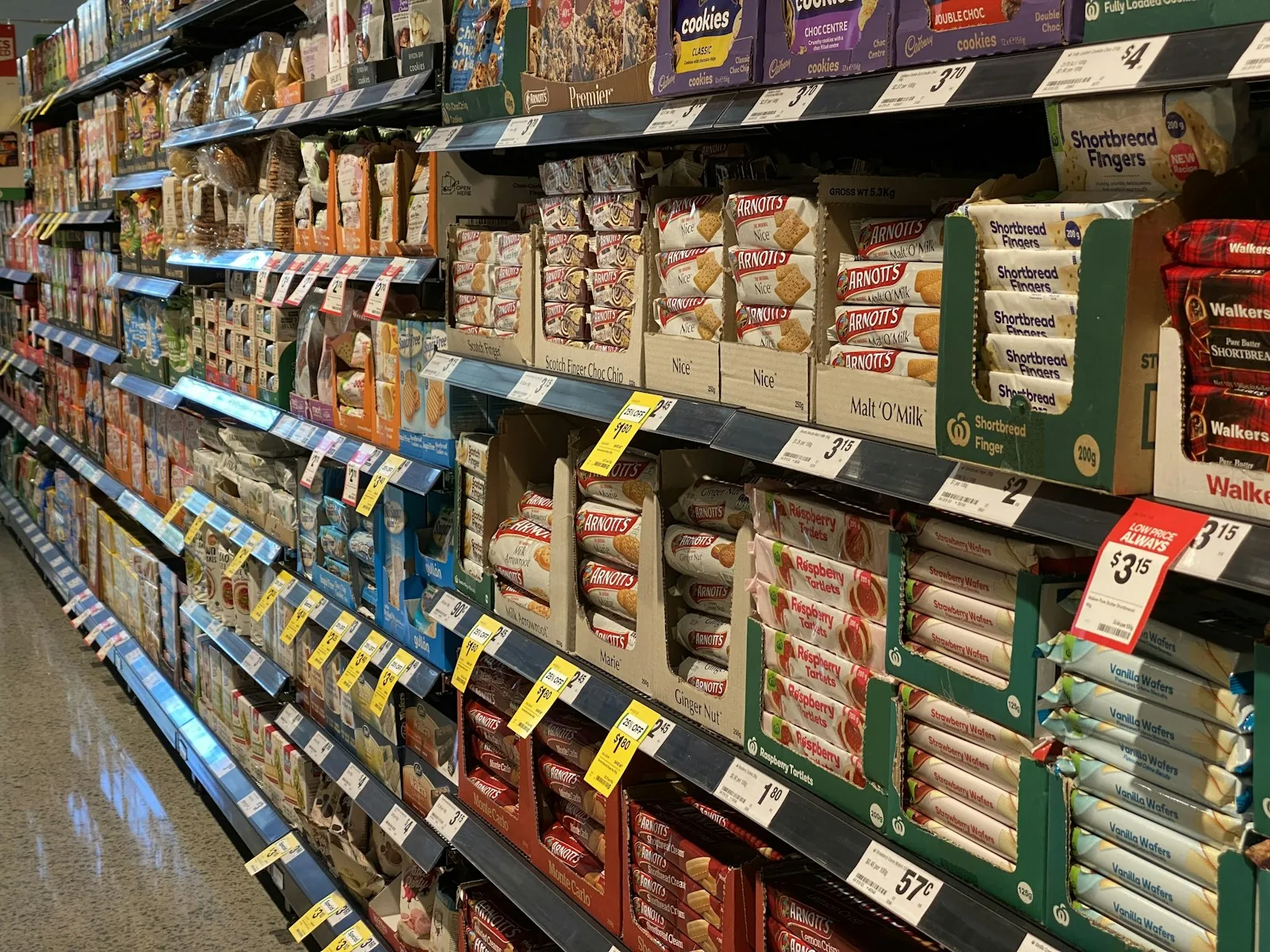
Despite the overall sales slowdown, grocery operations thrived during the quarter, proving that food retail remains a resilient profit center. This strength comes as shoppers continue to prioritize in-store and online grocery shopping, driven by both necessity and the convenience of combining grocery purchases with other household needs.
Retailers are responding to this dynamic by expanding and improving their food offerings. Grocery departments now frequently feature prepared foods, expanded fresh sections, and specialized product ranges designed to compete with traditional supermarkets. Major retailers are also enhancing payment options and digital services to streamline the shopping experience.
Looking Ahead
For shoppers, these earnings trends suggest important patterns to watch. First, expect continued investment in grocery and food services, which may improve your in-store experience. Second, watch for promotional calendars and deals as retailers compete for spending. Third, pay attention to store closures or format changes announced in your area, as weak comparable sales often prompt operational adjustments.
Consumer behavior continues to shift, with affordability remaining a top concern for households across income levels. Retailers are listening to these concerns and adapting their inventories, pricing strategies, and store formats to meet evolving needs. By staying informed about retailer performance and industry trends, shoppers can better anticipate changes and make more strategic purchasing decisions.
The current retail environment rewards shoppers who remain flexible, compare options, and take advantage of promotional opportunities. Whether you prioritize grocery quality, everyday low prices, or convenient shopping locations, understanding what’s driving retailer decisions helps you shop smarter and make the most of your budget.