Topgolf’s Retail Expansion What Shoppers Should Know
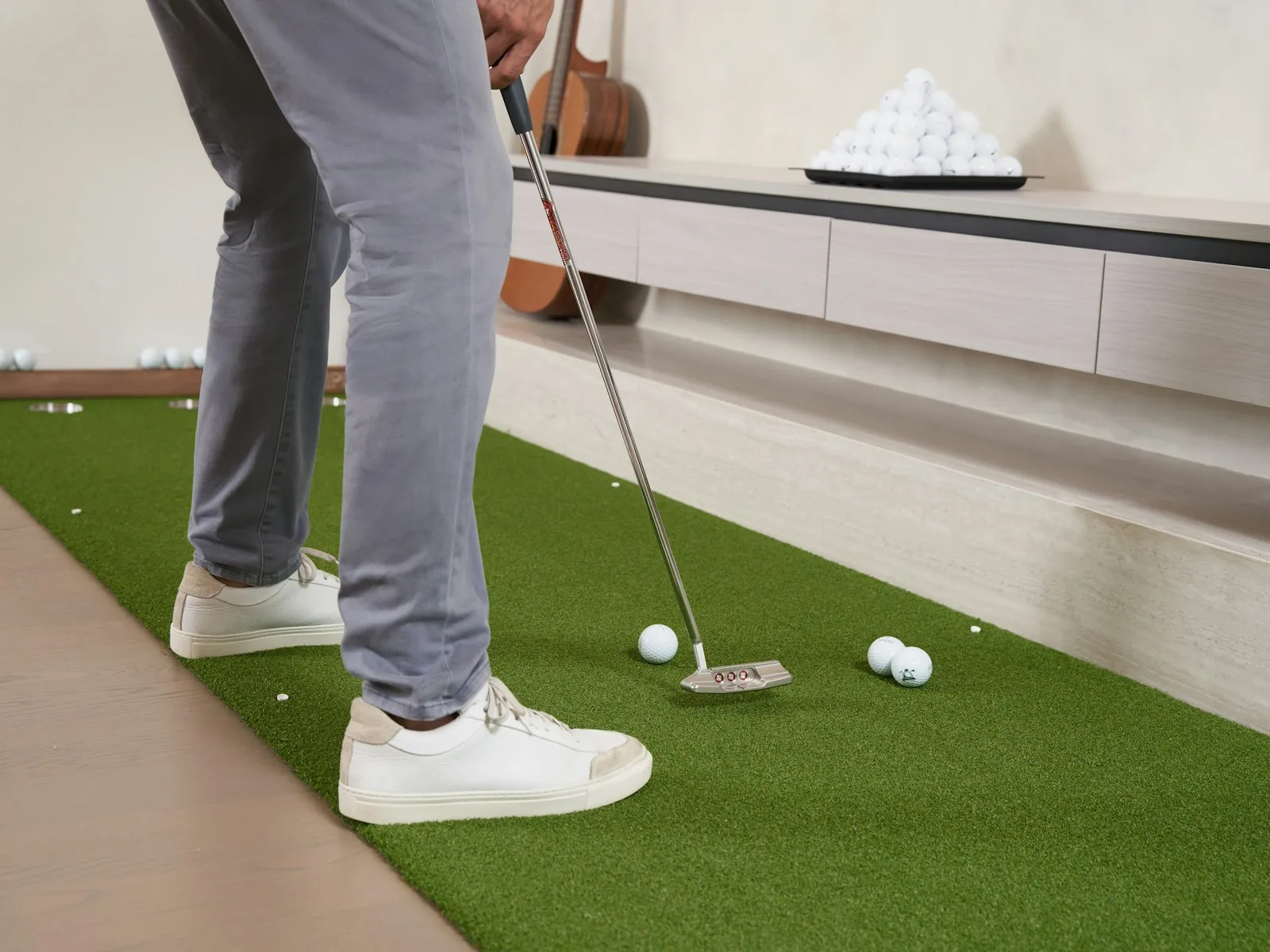
Topgolf’s New Growth Strategy Reshapes Its Business Model
Topgolf, the entertainment and golf entertainment chain, is making significant changes to how it generates revenue. The company’s new CEO, David McKillips, who arrived in February after leading Chuck E. Cheese and holding senior roles at Six Flags, has launched an aggressive push into advertising and brand licensing. This shift signals how entertainment venues are increasingly competing for advertising dollars and expanding their footprint beyond their physical locations.
McKillips identified a major advantage that sets Topgolf apart from traditional advertising platforms: the ability to keep customers captive for extended periods. When guests visit a Topgolf location, they typically spend roughly two hours in the same bay, giving the company an unprecedented opportunity to expose them to sponsored content and branded experiences. The company operates 103 locations with 28,000 screens, serving approximately 40 million people across the country, making it a potentially powerful platform for brands seeking high-engagement advertising.
How Topgolf’s New Media Division Works
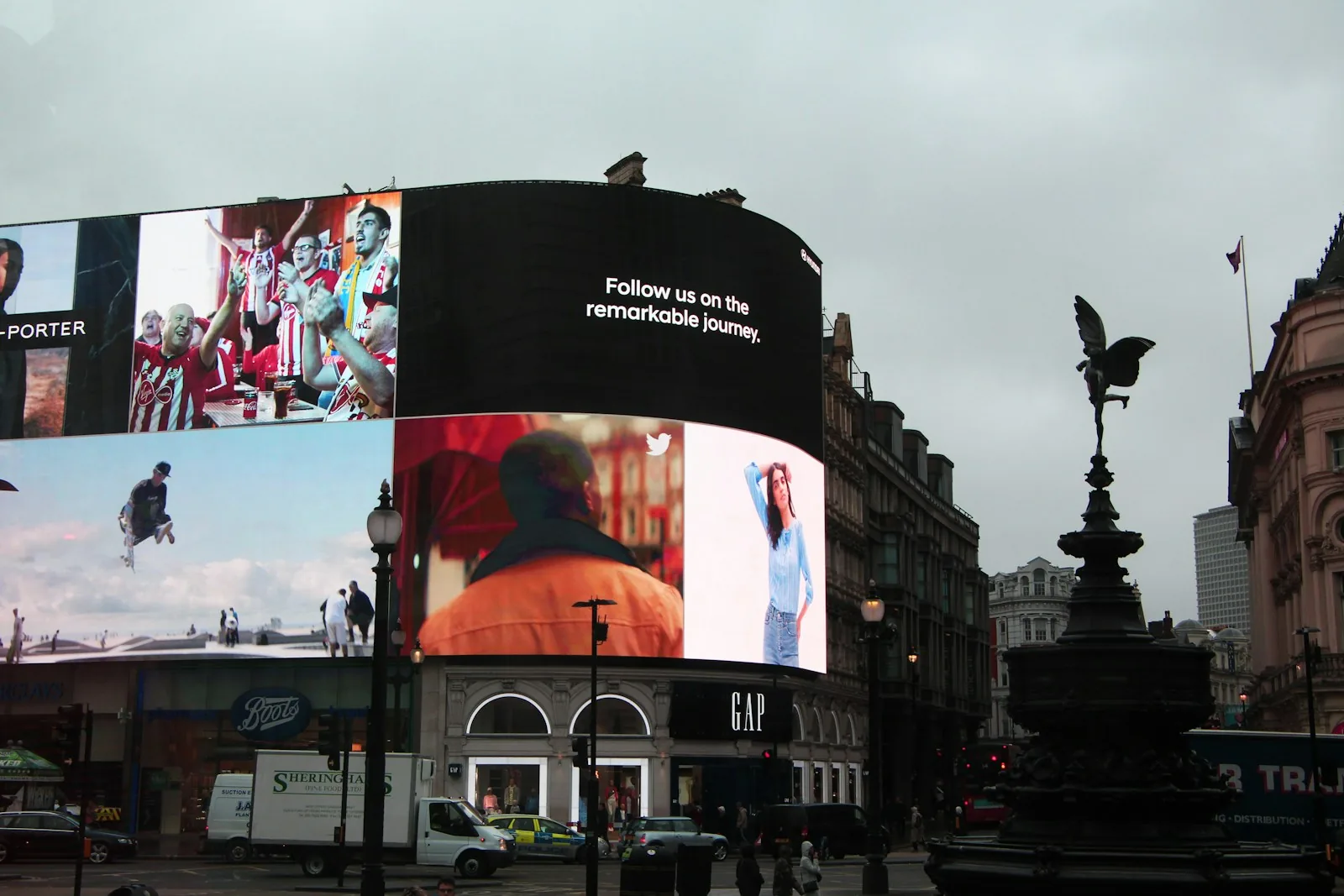
In July, Topgolf launched its Media Networks division, which combines sponsorships, retail media, and licensing into a unified platform. This strategic move positions the company to offer brands comprehensive partnerships that span live experiences, digital touchpoints, and branded storytelling.
The company is investing in new technology to expand its advertising reach. Game Day Bays, which feature up to five screens each, are being installed at new locations. These screens display Topgolf-curated advertising and promotions alongside sports broadcasts and gameplay footage. Beyond the bays, the company operates screens in lobbies and bars, maintains outdoor jumbotrons at 11 locations, and runs ads through its mobile application. This multi-screen approach gives brands numerous ways to reach Topgolf visitors.
Topgolf is also pursuing merchandise opportunities that would extend its brand into retail stores and online. Toys, games, and apparel bearing the Topgolf name are on the company’s roadmap, allowing the brand to generate revenue streams outside its venues.
Real Partnership Example Shows the Strategy in Action
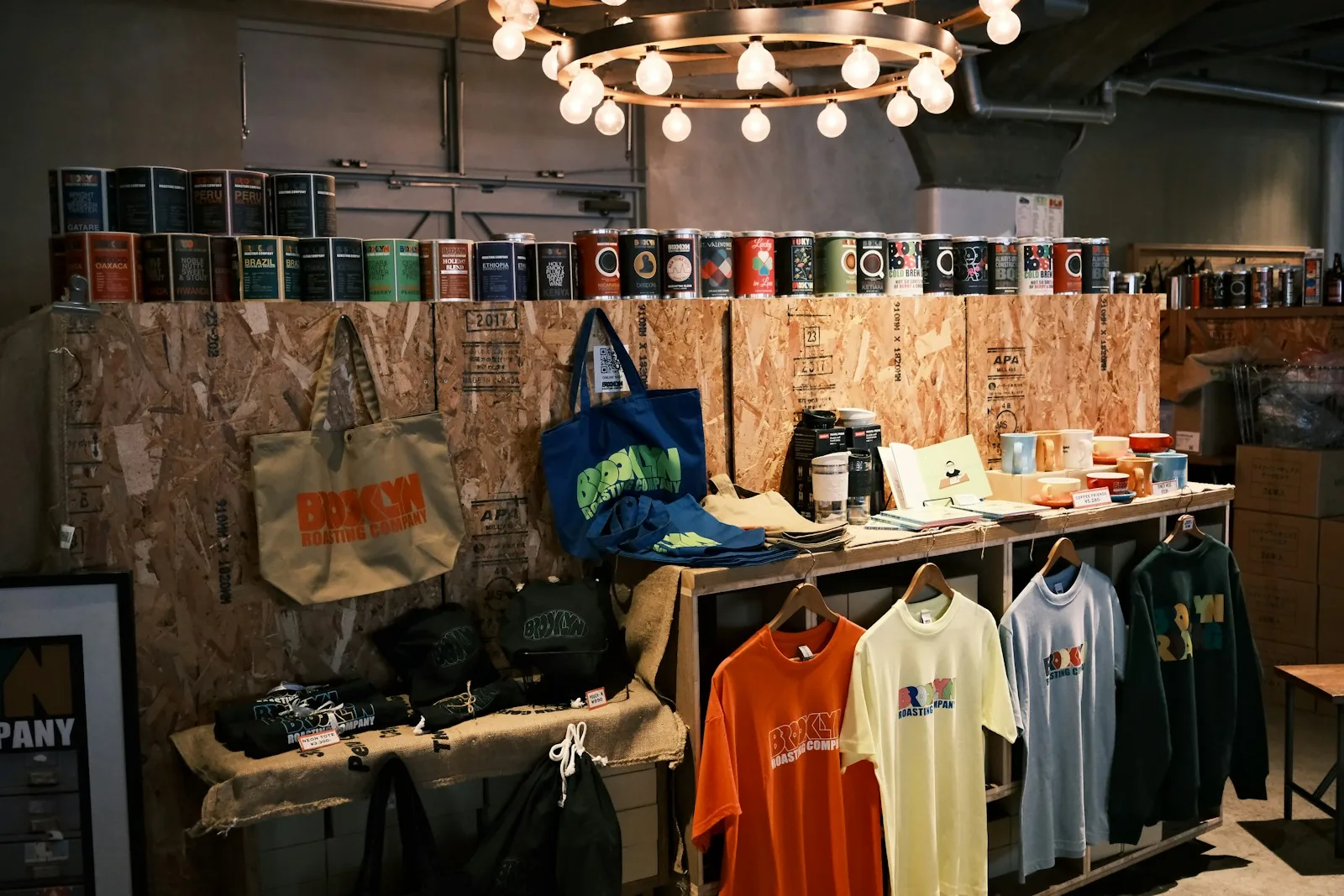
Black Clover USA, a headwear and apparel company, became one of the first partners for the new media division under a five-year agreement. Under this arrangement, Black Clover manufactures Topgolf employee uniforms nationwide and sells co-branded apparel at Topgolf venues. The partnership extends into retail media through email campaigns, social content, and digital advertising. The two companies are also collaborating on charitable initiatives supporting Make-A-Wish, Special Olympics, and community organizations.
McKillips describes this type of arrangement as the ideal partnership model. By combining licensing, media, and brand activation in one relationship, Topgolf can offer partners a more comprehensive and immersive experience than traditional sponsorships alone.
What This Means for Shoppers and Customers
For consumers, Topgolf’s shift toward advertising and retail partnerships will likely mean more branded content during visits. However, the success of this strategy depends on whether advertising feels natural and adds value to the experience or feels intrusive. Industry experts note that customers already pay for their entertainment experience, so brands must strike a careful balance. Advertisements that feel relevant and enhance the visit will succeed, while those perceived as purely commercial may diminish the overall experience.
The expansion into retail licensing also means shoppers may encounter Topgolf branded merchandise at various retailers and online stores. This mirrors how other entertainment companies and sports leagues monetize their brands. Since golf participation has grown 41 percent from 2019 to 2025, reaching nearly 50 million Americans, the timing of this expansion targets a genuinely growing market.
McKillips emphasizes that Topgolf’s unique position combines entertainment and sports in ways other media networks cannot replicate. The company can connect brands with consumers in a premium environment at a more affordable cost than traditional methods. For shoppers, this means brands will likely increase their presence at Topgolf locations, though the specific impact on individual visits remains to be seen.
The entertainment retail space continues to evolve, with major retailers experimenting with new business models and advertising approaches. Topgolf’s moves represent a broader trend of how entertainment venues are becoming key players in the advertising ecosystem. Whether this model succeeds ultimately depends on how well Topgolf manages the balance between monetization and customer satisfaction. As this strategy unfolds, shoppers should expect an increasingly branded experience at Topgolf locations, alongside new opportunities to purchase Topgolf merchandise through traditional retail channels. Keep an eye on every deal category we track to see how Topgolf branded products are priced when they reach retail stores.