Walmart Receives Nearly $3 Billion in Tariff Refunds: What Shoppers Should Know

Walmart has secured approximately $2.9 billion in tariff refunds, a significant financial boost that the retailer is channeling directly into price reductions across its stores. According to the company’s second-quarter earnings announcement, this windfall represents a major opportunity for the retailer to strengthen its competitive position while addressing ongoing consumer spending pressures.
How the Retailer Plans to Use the Funds
Rather than pocketing the refunds, Walmart leadership has committed to reinvesting the money into customer value. The company’s chief financial officer explained that the retailer is taking a deliberate approach, focusing on price leadership and enhanced customer experience across multiple product categories. The strategy centers on lowering prices in areas where shoppers spend the most: groceries and general merchandise.
This decision aligns with what other major retailers have announced regarding their own tariff refunds. Target, for instance, disclosed nearly $1 billion in refunds and made similar commitments to price reductions. However, neither retailer indicated plans for direct payments to customers, choosing instead to embed savings into everyday pricing.
What This Means for Your Shopping Experience
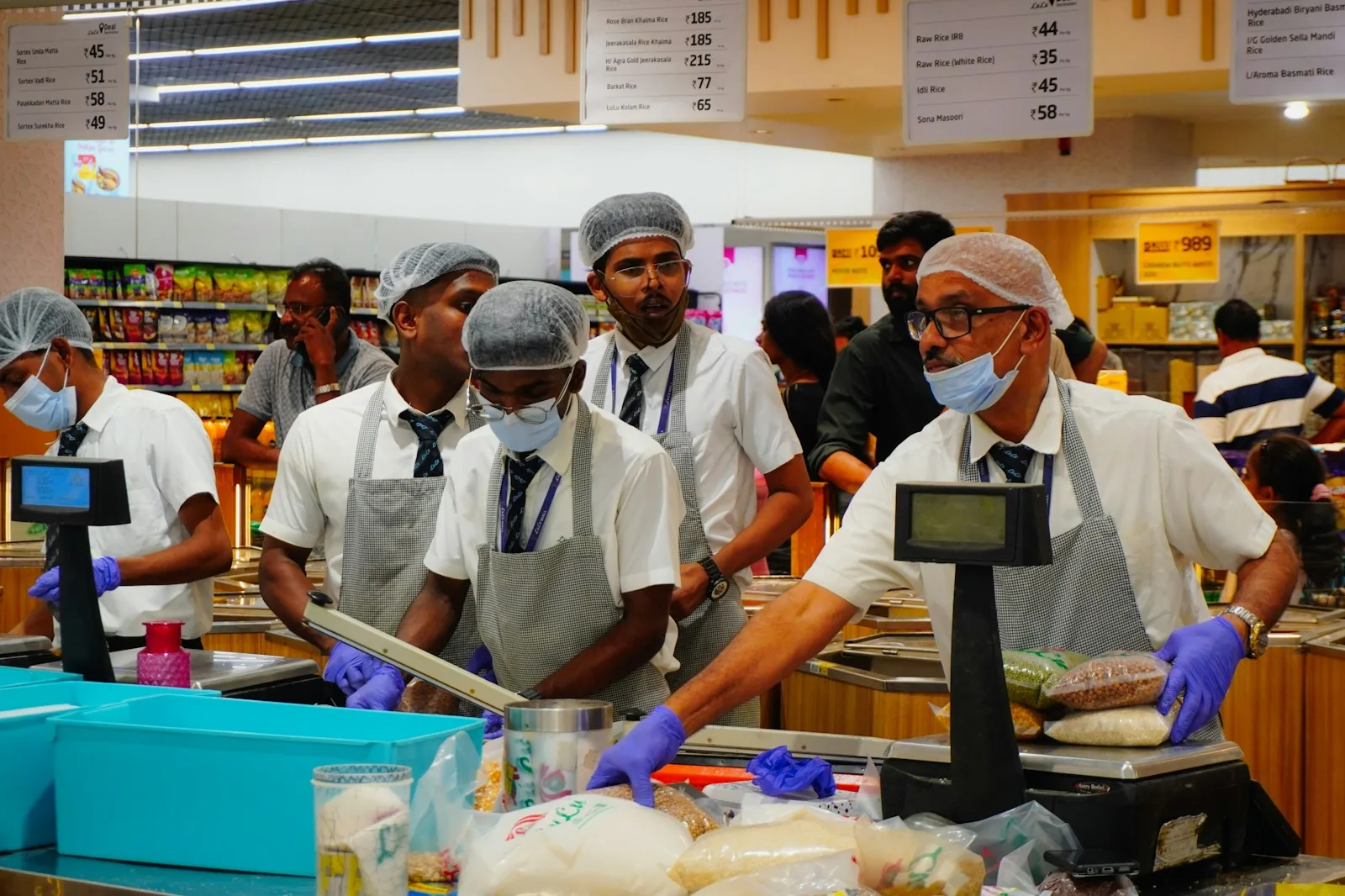
The timing of these price investments matters significantly. Walmart deployed a substantial portion of the refund money into pricing adjustments at the end of the second quarter, meaning shoppers will see the most dramatic impact during the third quarter and beyond. The retailer plans to spread price rollbacks across multiple categories including food, general merchandise, consumables, and fashion.
Walmart’s leadership emphasized that the company is not concentrating all investments into a single product category. Instead, the retailer is balancing reductions across the entire shopping basket, recognizing that customers need value in diverse areas. The company plans to communicate these price reductions through in-store signage and its website, making it easier for shoppers to identify where they’re saving money.
The Broader Context for Consumers

While large retailers like Walmart benefit from tariff refunds that strengthen their financial positions, many shoppers continue facing economic headwinds. Higher fuel prices and other macroeconomic pressures have constrained household budgets, making price leadership increasingly important to consumer purchasing decisions. As one of the nation’s largest retailers across every product category, Walmart’s commitment to pass savings along to customers could provide meaningful relief.
The retailer’s leadership made clear that underlying profit growth remains healthy independent of the tariff benefit. Operating income growth, excluding the refund, reached the upper end of the company’s 7 to 10 percent year-over-year growth projection. This suggests that Walmart’s investment in price reductions comes from a position of financial strength rather than necessity, and the company expects these benefits to drive increased customer loyalty and market share gains in the coming quarters.
Long-Term Implications for Shoppers
The retailer expects the financial impact from tariff refund receipts and reinvestment to be largely contained within the current fiscal year. This means the aggressive pricing strategy is not indefinite, but the company has structured the investments with the objective of delivering sustained customer benefits. The approach represents a calculated bet that lower prices now will translate into higher customer traffic and repeat visits later.
Similar trends are playing out across the retail sector. Off-price retailers continue expanding their store footprint as consumers increasingly seek value, and digital trends are reshaping how shoppers discover deals. Walmart’s aggressive pricing strategy positions the retailer to capture additional market share during a period when value-conscious shopping is at the forefront of consumer behavior.
For shoppers, the key takeaway is straightforward: expect broader and more noticeable price reductions at major retailers over the next two quarters. These are not temporary flash sales but deliberate strategic investments by major retailers to strengthen customer relationships during economically uncertain times. Keep an eye on store signage and retailer websites to identify where your favorite products are experiencing price relief.