Target Overhauls Grocery Strategy with Trends and Health Focus: What Shoppers Need to Know
Target Takes a Bold Gamble on Trendy, Health-Conscious Grocery Shopping
Major retailers have spent the past year locked in a price war, slashing margins and competing fiercely on everyday staples to keep budget-conscious shoppers in their aisles. Target, however, has decided to walk a different path. Rather than matching competitors dollar-for-dollar on pantry basics, the retailer is betting that American consumers will pay a premium for unique, trend-forward food selections that reflect evolving wellness interests and lifestyle choices.
The strategy appears to be working. During its recent earnings presentation, Target announced strong performance in its food and beverage department, which contributed to a 3.8% increase in comparable sales. The grocery section is now one of the retailer’s fastest-growing departments, with more than half of all Target shoppers making food purchases during their store visits.
A Complete Grocery Redesign Rolling Out This Year
Target is making its boldest grocery transformation in years. The retailer is expanding its food sections by 20 percent across most stores, with some locations seeing increases as large as 50 percent. But this expansion isn’t simply adding more of the same products already available elsewhere. Instead, Target is dramatically shifting its mix.
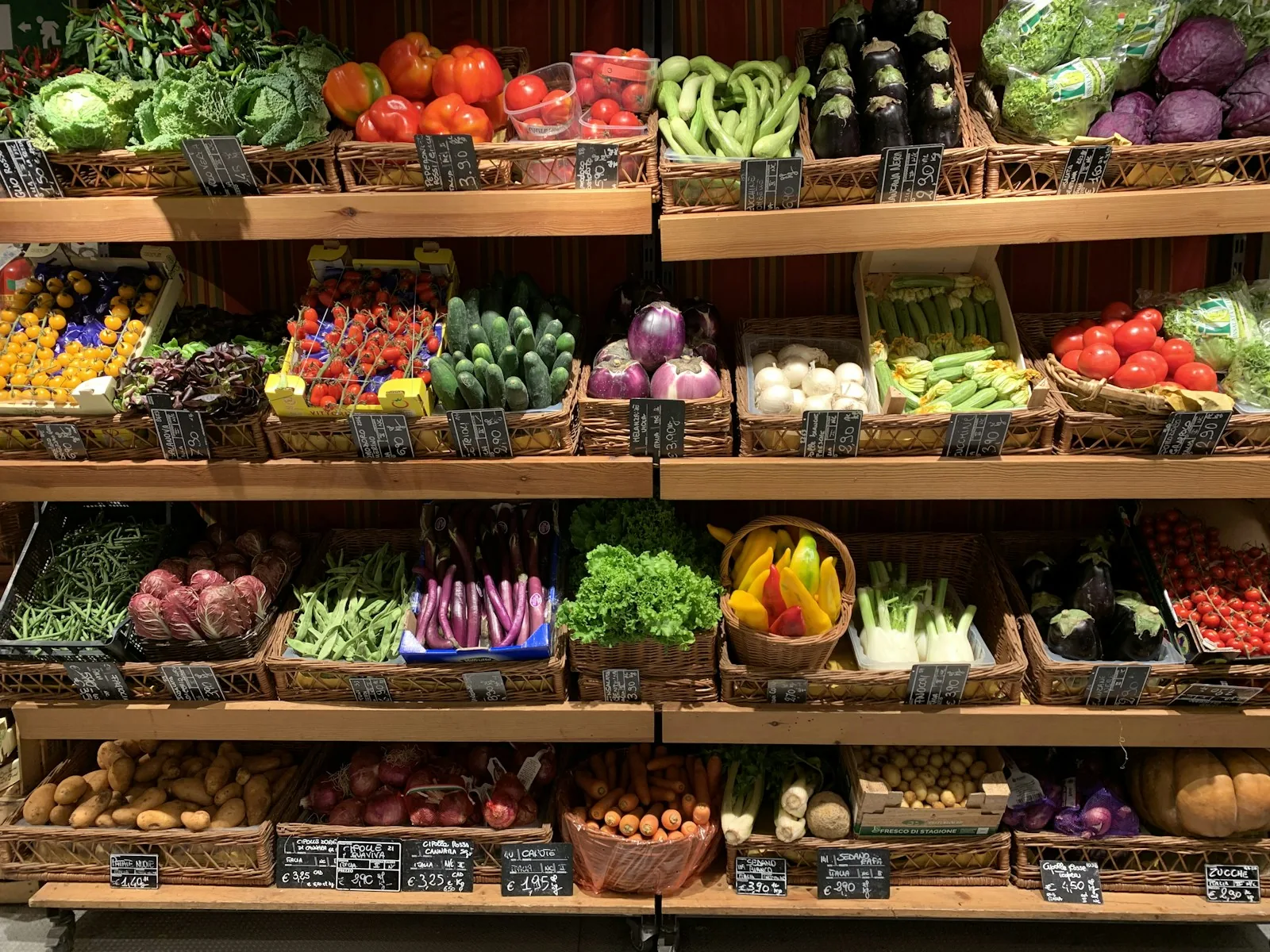
Fresh produce is receiving substantially more shelf space, while traditional pantry items that customers can find at virtually any competitor are being reduced. The freed-up space is being filled with approximately 4,600 new food products, including more than 60 new brands that debuted in the second quarter alone.
Examples of Target’s new inventory strategy include items like collagen-infused strawberry matcha powder, mushroom-based coffee brands, gluten-free pumpkin spice cereal, and sour melon candies. These aren’t the mainstream grocery staples shoppers expect to see everywhere. Instead, they represent a curated selection aimed at customers seeking products aligned with current health trends and alternative diets.
Exclusive Brands and Asian Food Categories Get Priority
What sets Target’s approach apart is its emphasis on exclusive partnerships. The retailer has secured exclusive distribution rights for several emerging brands, making certain products available only at Target stores. Clean-label chip brand Snackish launched exclusively at Target in June. Scoot’s frozen lemonade pouches can be found only in Target locations, and Sweet Loren’s refrigerated cookie dough snickerdoodle flavor is a Target-exclusive item.
These exclusive arrangements give shoppers a reason to visit Target specifically for grocery items rather than choosing between retailers based solely on price. It’s a strategy that challenges the conventional wisdom that Target sales jump when a retailer attracts more shoppers and expands food offerings.
Asian cuisine and international foods are also receiving expanded attention in Target’s new grocery layout. The retailer recognizes that American eating habits continue to diversify, and it’s positioning itself to capture shoppers interested in exploring global flavors and ingredients.
What This Means for Your Shopping Experience
The shift in Target’s grocery strategy carries real implications for shoppers. First, if you’ve been relying on Target for bulk purchases of standard pantry items at competitive prices, you may find fewer bargains in those categories. The retailer is intentionally reducing its selection of commodity products that compete directly with supermarkets and discount grocers.
Second, shoppers who value discovery and enjoy trying new food brands and trending wellness products will likely find Target’s revamped grocery sections more appealing than before. The curation means less time hunting through endless options of the same item and more opportunity to encounter products specifically chosen for quality, uniqueness, or health positioning.
Third, Target is essentially asking customers to accept higher price points in exchange for novelty and exclusivity. This pricing approach works well for trend-conscious consumers and those prioritizing specific dietary needs, but it won’t appeal to price-sensitive shoppers focused on stretching their grocery budgets. Those customers may continue looking elsewhere for grocery retailer challenges as shoppers struggle with food costs.
A Market Test of Consumer Priorities
Target’s bold gamble represents a fascinating market experiment. The retailer is testing whether American consumers are genuinely willing to prioritize novelty, health trends, and exclusivity over aggressive price competition in the grocery category. Early earnings results suggest the answer is yes, at least for a substantial portion of Target’s customer base.
This strategy also differentiates Target from competitors who’ve largely adopted similar discount and value messaging. By focusing on trendy, health-conscious products instead of race-to-the-bottom pricing, Target is carving out a distinct position in a crowded grocery market and giving shoppers a reason to choose this retailer for more than just general merchandise.