Retailer Fresh Departments Face Hidden Challenges Despite Confidence What Shoppers Should Know

Grocery shoppers depend on fresh produce, prepared foods, and quality meats to make their weekly shopping decisions. New findings reveal that while most retailers say their fresh departments are performing well, significant operational hurdles are creating gaps that could affect what you find on shelves and at what price.
A survey of 200 senior decision makers at major grocery chains and regional retailers examined the state of fresh grocery operations across the United States. The results paint a complex picture: 89% of retail executives rated their fresh departments as successful, yet the same respondents acknowledged serious challenges in how they actually manage these critical areas.
The Confidence Gap: What Retailers Say vs. What They Experience
The disconnect between perceived success and operational reality is striking. While nearly 9 in 10 retailers claim their fresh operations work well, 84% admitted that managing fresh departments is genuinely challenging. Even more telling, 76% struggle to maintain consistency across multiple store locations, and 74% lack clear visibility into what is happening in their fresh sections day to day.
For shoppers, this matters because it directly affects product quality, availability, and pricing. When a retailer cannot see what is happening across all its stores in real time, some locations may experience shortages while others have excess inventory that eventually goes to waste. This inefficiency often gets passed along to consumers through higher prices or limited selection.
Size Matters: Larger Retailers Face Steeper Obstacles
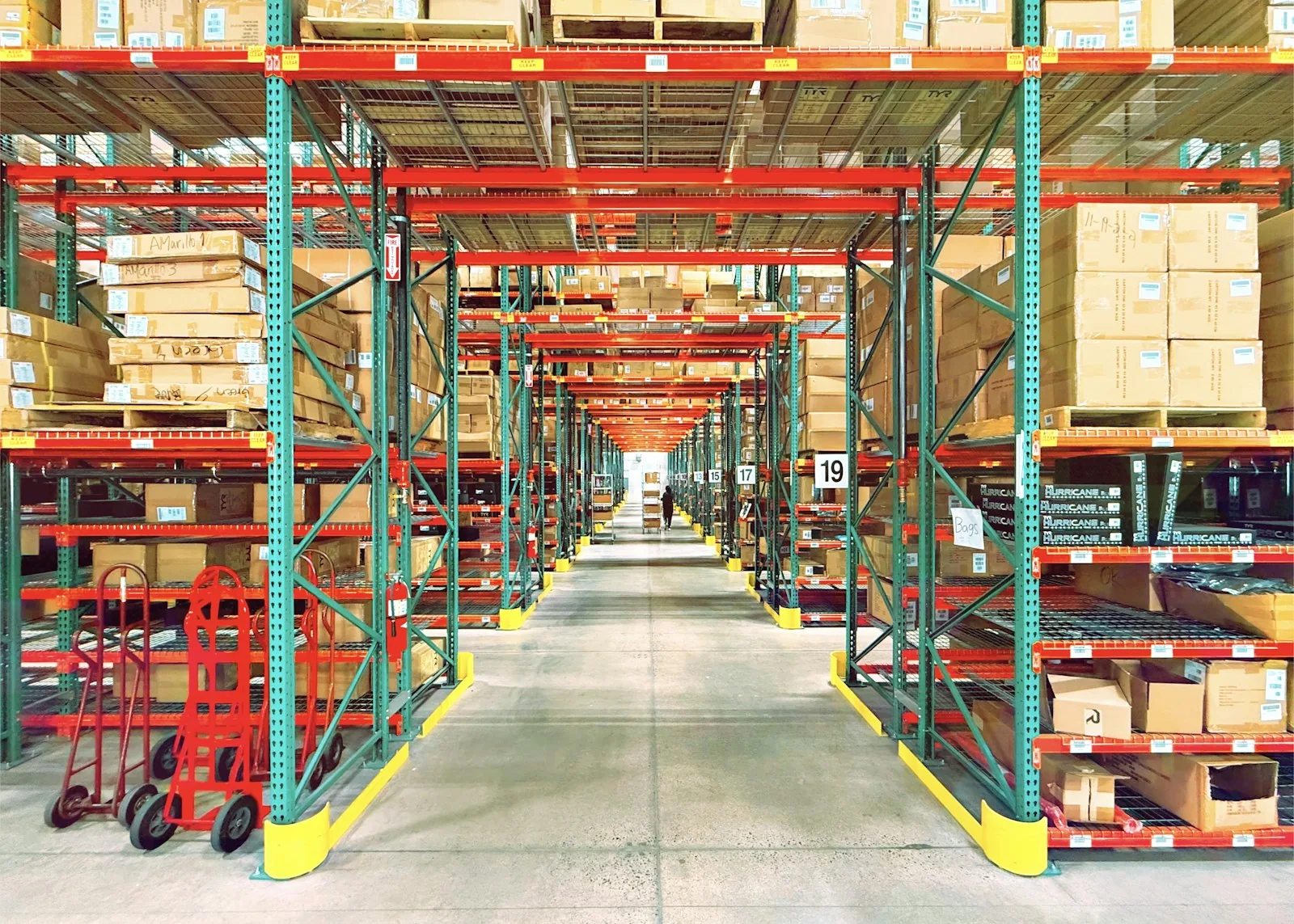
The challenges grow more acute as retailers expand. Among large organizations with 5,000 or more employees, 41% describe managing fresh operations as very challenging. In contrast, only 21% of midsize retailers report the same level of difficulty. The complexity of coordinating fresh departments across hundreds of stores creates blind spots that smaller chains simply do not face.
This is important for shoppers who frequent major national chains. It suggests that while your local grocery store might stock fresh items reliably, inconsistencies and availability gaps are more likely to occur at larger retailers managing vast supply chains and every deal category we track across multiple regions.
Why Fresh Departments Matter More Than You Might Think
Fresh departments are not just one section of a grocery store: they shape how customers judge the entire retailer. Eighty-two percent of retail executives confirmed that fresh produce, meat, seafood, and bakery items significantly influence whether shoppers view their store positively or negatively. Additionally, 91% of consumers themselves say they consider fresh departments when deciding whether to shop at a particular store.
This means your perception of a retailer is heavily weighted toward its fresh offerings. A store with excellent prices in other sections but poor quality or limited selection in produce and meat will lose your business.
Reducing Waste and Shrink: A Growing Priority
Retailers are increasingly focused on reducing shrink (theft and damage) and waste in fresh departments, with 82% of surveyed executives naming this as a growing business priority. That number jumps to 90% among the largest retailers.
Shrink and waste directly affect your wallet. When retailers lose money through expired products or spoilage, they often raise prices on other items to offset those losses. As operational improvements reduce waste, shoppers may eventually see more stable pricing and fresher products consistently available.
Technology and Artificial Intelligence: The Future of Fresh Operations
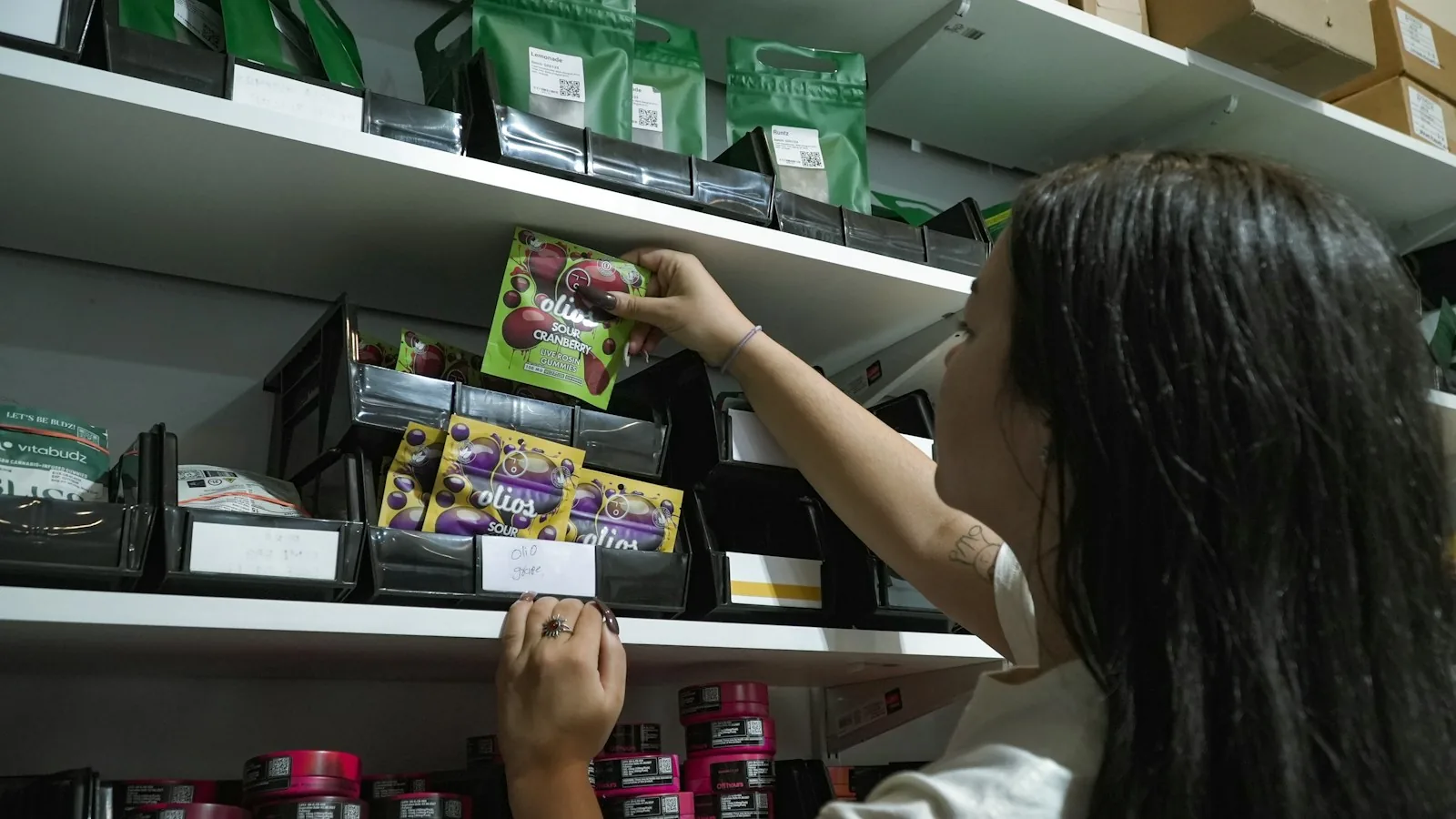
Ninety-one percent of retail executives said technology investment in fresh operations is important. The most sought-after capabilities are artificial intelligence-based decision support and improved labor planning, each mentioned by 23% of respondents. Like the changes described in recent major retailer service announcements, technology modernization is reshaping how stores operate.
Better decision support systems could help retailers predict demand more accurately, order the right quantities, and reduce both stockouts and excess inventory. Improved labor planning means more staff available during peak shopping hours to keep produce displays full and answer your questions.
What This Means for Your Shopping Experience
Every single retailer surveyed acknowledged there is room for improvement in fresh operations. This is actually encouraging because it signals that the industry recognizes the problem and is working toward solutions.
In the near term, you may continue experiencing occasional inconsistencies: a produce section that looks picked over on certain days, meat that seems pricier than it should be, or prepared foods that do not rotate quickly enough. However, as retailers invest in better technology and decision-making tools, these issues should gradually improve.
The bottom line: your shopping experience depends on how well each retailer can coordinate dozens of connected decisions involving demand forecasting, production planning, labor scheduling, inventory management, and waste reduction. As these operations become more transparent and data-driven, shoppers like you will benefit from fresher products, better availability, and more competitive pricing in the sections that matter most to your grocery shopping decisions.