Lowe’s Cuts Financial Outlook as DIY Spending Pressure Mounts What Shoppers Should Know
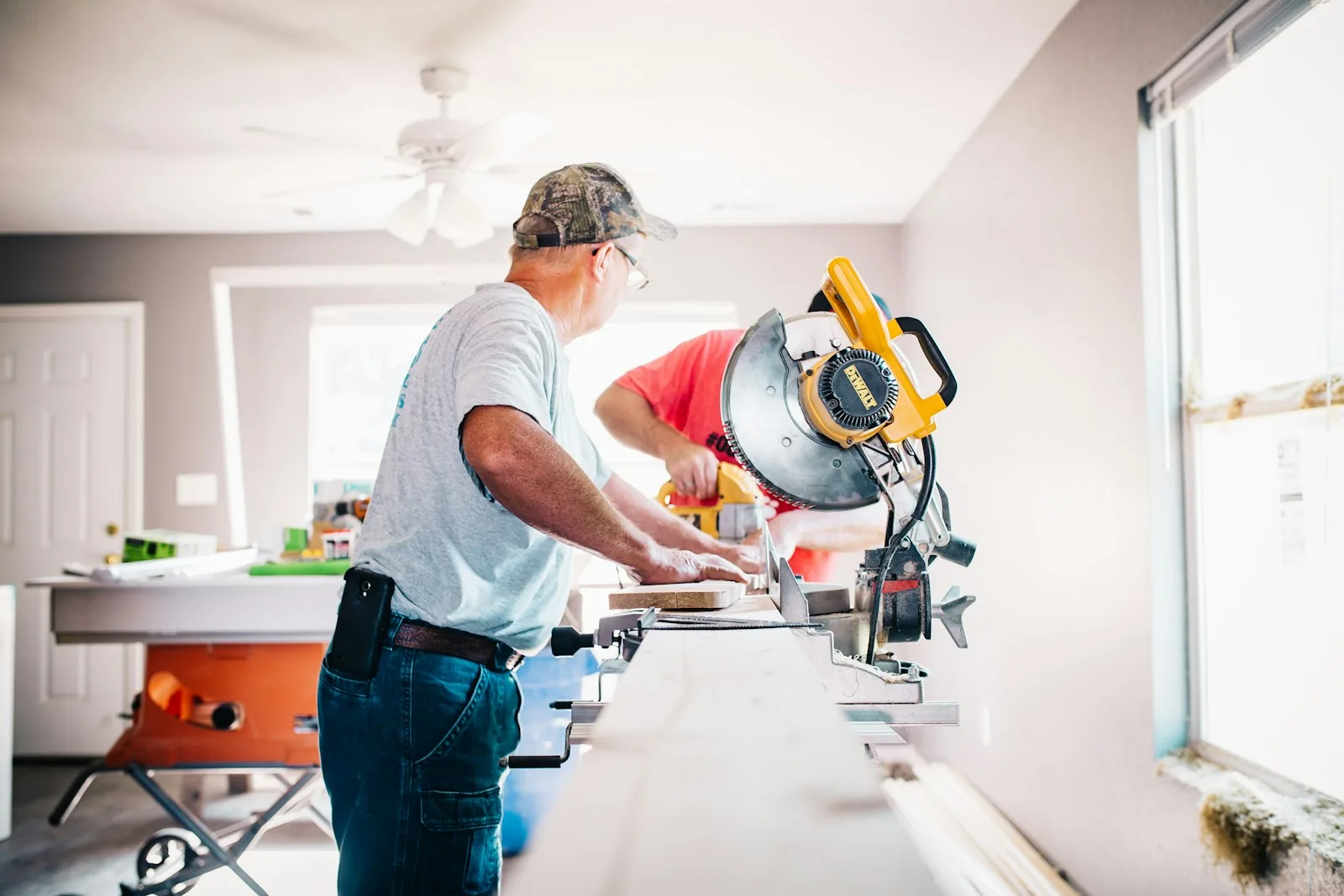
Major home improvement retailer Lowe’s recently announced it is lowering its full-year financial expectations, citing continued weakness in do-it-yourself customer spending. The company now expects total sales to reach $92 billion, falling to the lower end of its prior guidance range, with comparable sales remaining flat and operating margins of 11.2% instead of the previously projected 11.2% to 11.4%.
What Changed for DIY Shoppers
Consumer discretionary spending on home improvement projects has remained under significant pressure throughout the current economic environment. While smaller projects actually grew 1.5% year over year, big-ticket purchases declined by more than 2%, according to market research data. This shift reflects how budget-conscious shoppers are prioritizing essential maintenance over larger renovations.
Chief Executive Marvin Ellison acknowledged during investor discussions that discretionary DIY spending has been a major headwind. The retailer’s second quarter showed total sales growth of 8.3% year over year, reaching nearly $26 billion, but comparable store sales increased only a modest 0.2% year over year. This marks the fifth straight quarter of positive comparable sales growth, but the underlying trend points to caution among everyday shoppers.
Where the Retailer is Finding Growth

Despite challenges in the DIY segment, Lowe’s has discovered strength in other customer groups. Professional contractor sales delivered positive comparable sales during the quarter, and the retailer has been investing heavily to capture more of this market. The company recently upgraded its professional loyalty program, enhanced digital tools for contractors, and completed acquisitions including Artisan Design Group and Foundation Building Materials.
Online sales also performed well, jumping nearly 16% during the period. This channel strength shows that while in-store DIY traffic has weakened, customers remain engaged with the brand through digital shopping. When you explore every deal category we track, you’ll notice that online shopping continues to be a bright spot for traditional retailers adapting to modern consumer behavior.
What This Means for Your Shopping
For typical homeowners, this slowdown reflects broader economic challenges affecting the housing market and consumer confidence. Elevated mortgage rates and general economic uncertainty have made many households hesitant to commit to major home projects. The weak housing market has created ripple effects that extend beyond just new home construction.
However, executives remain optimistic that current conditions are temporary. Management believes the investments made in customer loyalty programs, fulfillment capabilities, and product selection will position the retailer to capitalize when spending eventually rebounds. The company maintains that it is managing the business effectively despite challenging DIY market conditions.
Industry observers note that grocery retailer challenges mount as shoppers struggle with food costs, and similar pressures are affecting home improvement shopping. Consumers cutting budgets in one category often reduce spending across multiple retail sectors.
The Professional Segment Strategy

The shift toward professional customers represents a meaningful strategic change for the retailer. This segment has proven more resilient than DIY shoppers during economic uncertainty, and professionals continue to invest in tools and materials even when consumer confidence falters. By building digital infrastructure and loyalty rewards specifically for contractors, the company is positioning itself to capture a larger share of this market.
Analysts suggest this focus on professionals has genuine long-term potential but caution that the retailer cannot afford to neglect its core consumer business. When DIY spending eventually returns, the company needs to be ready to serve those customers competitively.
Looking Ahead
Management’s outlook suggests patience and confidence in cyclical recovery. The retailer achieved five consecutive quarters of positive comparable sales growth despite the challenging environment, which executives view as a testament to their operational execution. Once macroeconomic conditions improve and housing-related confidence returns, the company expects to see accelerated growth.
For shoppers planning home projects, current market conditions may actually present opportunity. A grocery outlet sales rise as retailer restructures what shoppers should know is just one example of how consumer shopping patterns shift during uncertain times. Home improvement retailers are similarly competing aggressively for budget-conscious customers right now.
The underlying message is clear: if you’ve been postponing home improvements, current economic pressures affecting the retailer may eventually lead to promotional activity and competitive pricing as retailers work to maintain sales volume during the slowdown.