Kroger Private Label Sales Surge as Budget Conscious Shoppers Prioritize Value
What’s Happening
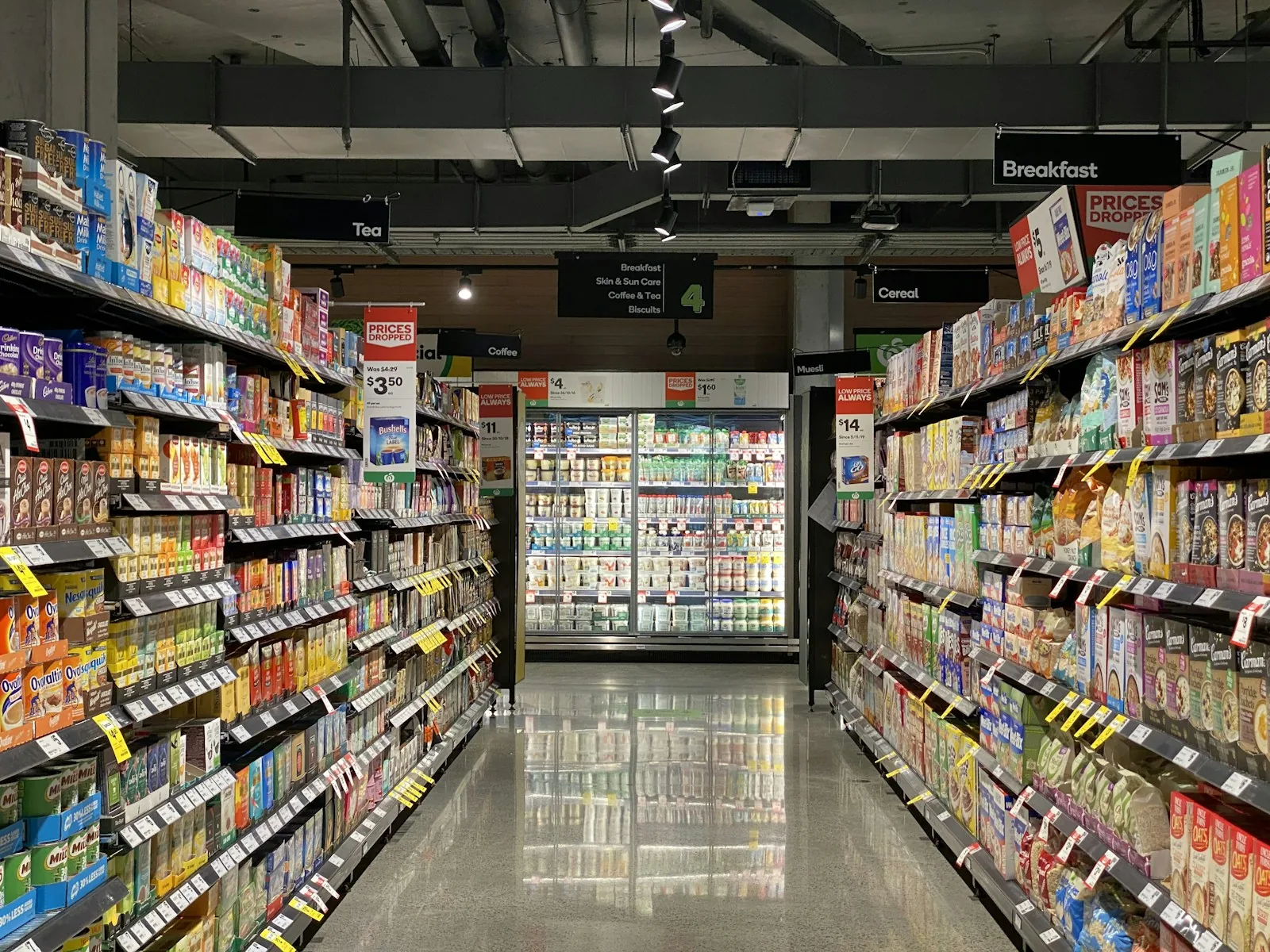
Kroger is experiencing significant momentum with its store brand offerings as consumers continue to tighten their spending habits. During the latest financial quarter, the retailer’s private label products outpaced national brand sales, with private label penetration increasing by roughly half a percentage point. CEO Greg Foran emphasized that customers are showing strong demand for anything that addresses their value concerns, describing shoppers as highly disciplined about their purchasing decisions.
The growth extends beyond basic staples. Kroger’s Private Selection line, which the retailer expanded earlier this year with fresh and frozen meal options, saw sales jump more than 14% during the quarter. Ready to heat and ready to eat meals drove much of this increase. Additionally, the retailer added over 600 natural and organic items to its inventory during the same period, signaling that value conscious shoppers also remain interested in healthier options.
Data from market analysis firm Numerator validates these trends. Across produce, meat, seafood, deli, prepared foods, and in store bakery categories, Kroger’s private label sales increased by approximately $420 million over a 12 month period ending July 31. These numbers suggest that store brands are becoming a legitimate preference rather than simply a fallback choice for price sensitive consumers.
Why It Matters for Shoppers
Strong private label sales growth means a retailer is investing more heavily in developing and expanding its own brand portfolio. When every deal category we track shows similar patterns, it reveals broader consumer behavior shifts. For you as a shopper, this translates to more choice, better quality, and continued competitive pricing in store brand categories.
Foran made clear that Kroger sees its responsibility as serving as the customer’s advocate when dealing with suppliers. The retailer is actively questioning vendors who attempt to justify price increases without solid justification. This stance matters because it means Kroger isn’t simply accepting inflationary pressures and passing them along to shoppers. Instead, the chain is pushing back on unjustified cost increases, even when they come from major suppliers.
The retailer’s focus on value also reflects a calculated business strategy. Kroger’s identical store sales were essentially flat during the quarter, growing by just a fraction of a percentage point. Rather than relying on inflation to artificially boost sales numbers, Foran stated that the company wants to generate growth by earning customer trust through genuine value. This philosophy means you can expect the retailer to remain competitive and continue scrutinizing its own pricing.
What Shoppers Should Expect
Expect continued expansion of private label offerings from this retailer. When a retailer expands selection in key categories, it signals confidence in meeting customer demand. In Kroger’s case, the emphasis on natural, organic, and prepared meal options suggests these are areas where shoppers are actively looking to make purchases.
The pricing strategy outlined by leadership suggests you’ll see continued resistance to steep price increases on national brands. When a major retailer openly states it won’t accept unjustified supplier price hikes, that competitive pressure benefits all shoppers in the market. Even if you typically purchase national brands, you benefit from a retailer that’s willing to negotiate hard on behalf of its customers.
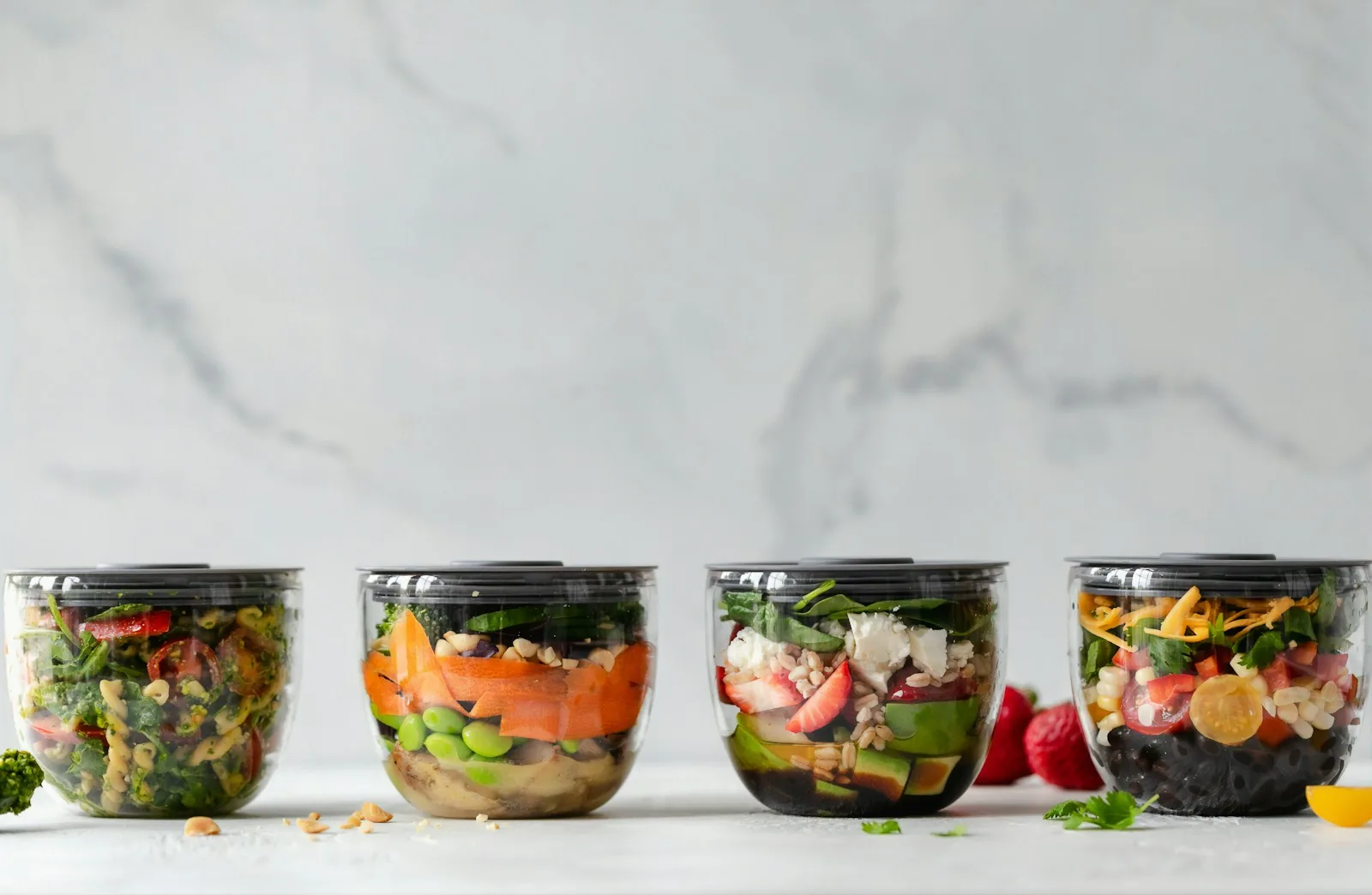
Budget conscious shoppers have an expanding range of quality options. The strong performance of the Private Selection meal line shows that store brands are no longer limited to dry goods or commodity items. You can now find ready to eat and ready to heat meals under a retailer’s private label, suggesting that convenience and affordability aren’t mutually exclusive anymore.
Market conditions remain favorable for continued private label growth. As long as consumers maintain focus on managing their household expenses, retailers will continue developing and promoting their own brands. This dynamic should keep variety high and prices competitive, even as economic pressures persist for many shoppers.