Ikea and Kodiak Launch Driverless Freight Service in Texas: What Shoppers Need to Know
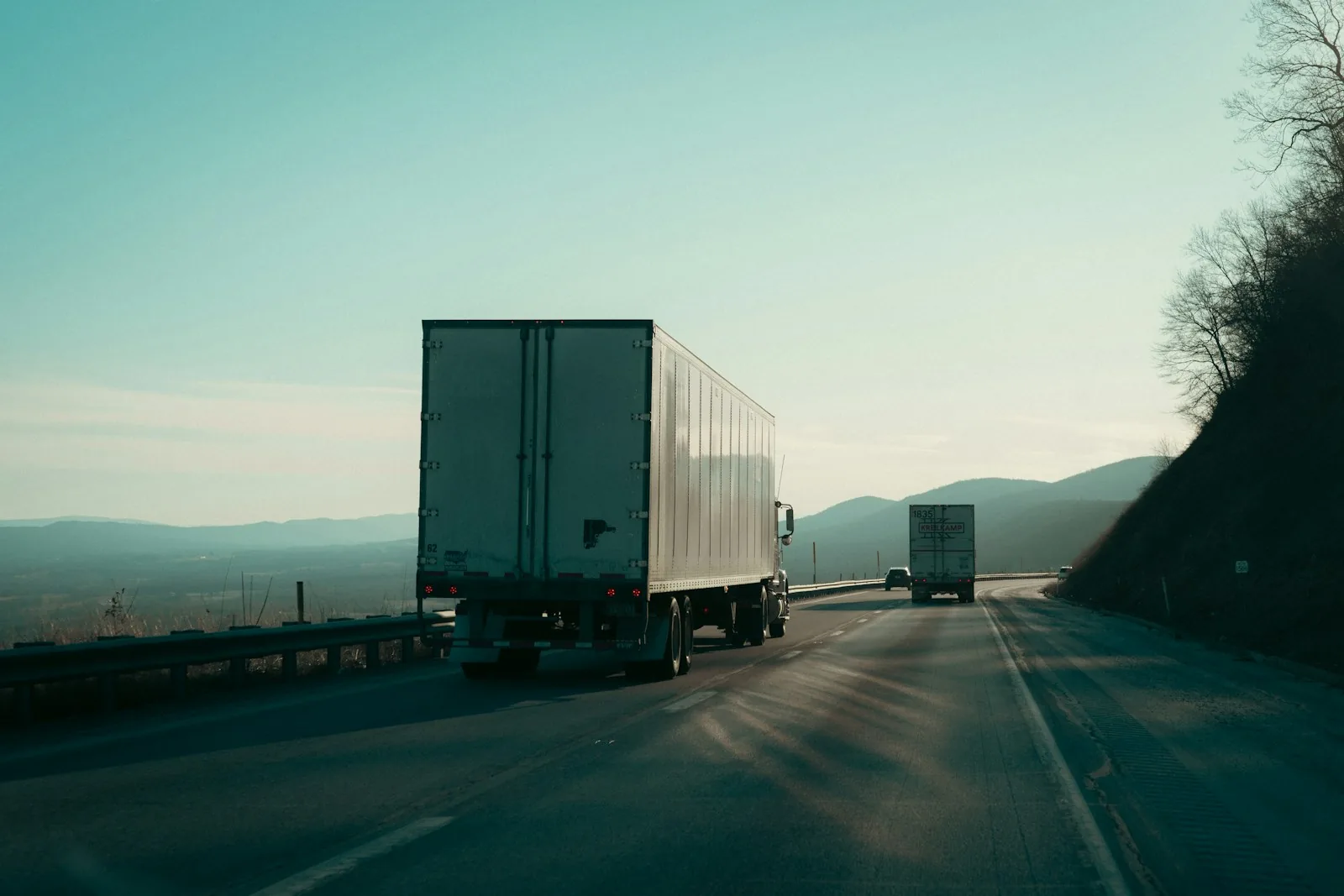
A major milestone in retail logistics is arriving this year as Ikea prepares to deploy fully autonomous trucks on a key Texas freight corridor. The Sweden-based home furnishings retailer and autonomous technology company Kodiak are moving beyond four years of testing to launch driverless service on a roughly 220-mile stretch between Houston and Dallas. This represents one of the first major retailers to operate completely unmanned trucks on a long-distance highway route, signaling a shift in how goods reach store shelves and distribution centers across America.
Four Years of Testing Lead to Full Deployment
What began as a three-month pilot in 2020 evolved into a comprehensive four-year testing program. During that span, Kodiak’s trucks carried more than 1,300 loads of Ikea merchandise and logged more than 750,000 autonomous miles. The company reported these operations occurred without incident and achieved a nearly perfect on-time delivery record. Now, Ikea will become Kodiak’s launch customer for fully driverless long-haul highway service, with no safety driver aboard the vehicles.
The route connects Ikea’s Baytown distribution center to its Frisco store location as part of a nearly 300-mile total delivery route. Kodiak’s autonomous driving system combines artificial intelligence software with modular hardware installed on commercial trucks. Before removing safety drivers entirely, Kodiak completed additional testing, including operations between its Lancaster hub and Houston without driver intervention, plus closed-course simulations of rare or high-risk scenarios.
What This Means for Shoppers and the Retail Industry
Driverless freight deployments have expanded beyond experimental pilots into everyday operations. Major retailers are increasingly turning to autonomous vehicles for middle-mile deliveries, the transport segment between distribution centers and stores or final destinations. Walmart removed safety drivers from box trucks in Arkansas back in 2021. PepsiCo expanded driverless operations across Texas, Arizona and Arkansas serving approximately 250 retail locations including Walmart and Dollar General stores. This industry shift demonstrates that autonomous trucking is transitioning from concept to practical logistics solution.
Ikea’s success with autonomous technology extends globally. The retailer permanently adopted self-driving electric vehicles at its Hefei operation in China, where the vehicles move goods between warehouses and stores for customer pickup orders and restocking. During testing, these trucks traveled nearly 47,000 miles and cut average pickup wait times from six hours to two hours. Transportation costs between Ikea locations also fell by more than 50 percent. The company is now evaluating whether this model could expand to other markets with suitable regulations and infrastructure.
Economics and Efficiency Gains
The financial implications of driverless freight are complex. Research estimates potential savings of roughly 13 percent for 200-mile hub-to-hub routes, increasing to 31 percent at 1,000 miles when fleets reach sufficient operational scale. Ikea’s 220-mile route falls into the shorter distance category, suggesting the real-world economics depend significantly on distance and volume. However, how leading retailers optimize supply chains directly influences product availability and pricing for consumers.
Kodiak has already demonstrated driverless capability in industrial settings. Since December 2024, Atlas Energy Solutions has used customer-owned trucks equipped with Kodiak’s driving system to haul freight in the Permian Basin of West Texas and eastern New Mexico. By June, Kodiak reported that 35 Atlas trucks had logged more than 40,000 hours of paid driverless operations. This experience informed Kodiak’s integration with Ikea’s supply chain, covering everything from departure scheduling and loading dock coordination to predictive maintenance using vehicle data.
Looking Ahead: What Shoppers Should Expect
As autonomous trucking becomes standard in retail logistics, consumers can expect several potential benefits. Supply chain efficiency improvements may lead to better product availability and potentially lower costs. Faster delivery cycles between distribution points could mean fresher inventory in stores. Since retailers track deals across numerous product categories, streamlined logistics networks support better inventory management and promotional flexibility.
The broader industry adoption of driverless freight also addresses logistics challenges during peak shopping seasons. With autonomous trucks operating day and night, seven days a week through varying weather conditions, the capacity for consistent goods movement increases. This capability becomes especially valuable during high-demand periods when traditional staffing constraints might limit supply.
Ikea’s deployment represents a watershed moment for retail logistics. The company’s four-year testing period, successful international implementation, and commitment to full driverless operations on a major interstate route demonstrate that autonomous freight has moved beyond speculation into concrete business strategy. For shoppers, this transition ultimately means retailers can invest technology savings into inventory quality, product selection, and service improvements rather than operating costs.