How GLP-1 Medication Is Forcing Retailers to Rethink Sizing and Returns

The rapid adoption of GLP-1 medications for weight management is creating a seismic shift in how retailers operate, from inventory strategy to return policies. What began as a curious spike in alteration rush orders at one bridal retailer has evolved into a structural challenge reshaping the entire apparel industry. For shoppers, this means both opportunities and headaches as retailers scramble to adapt.
The Body Transformation Economy Is Real
Roughly 11% of U.S. adults now use GLP-1 medications for weight loss, a jump from just 3% two years ago. Market forecasts suggest the sector will explode from $42.6 billion in 2024 to $137 billion by 2030. This scale of adoption is driving what industry analysts call the “body transformation economy” as millions of shoppers experience significant size changes and lifestyle shifts simultaneously.
The impacts are tangible across multiple retail channels. Wedding dress retailers noticed that rush alteration orders doubled recently, with brides purchasing gowns much closer to their wedding dates. Department stores specializing in men’s apparel report that roughly 25% of their customer base is using these medications, which is causing measurable delays in clothing purchases as customers wait for their sizes to stabilize.
Sizing and Fit Have Become Competitive Battlegrounds
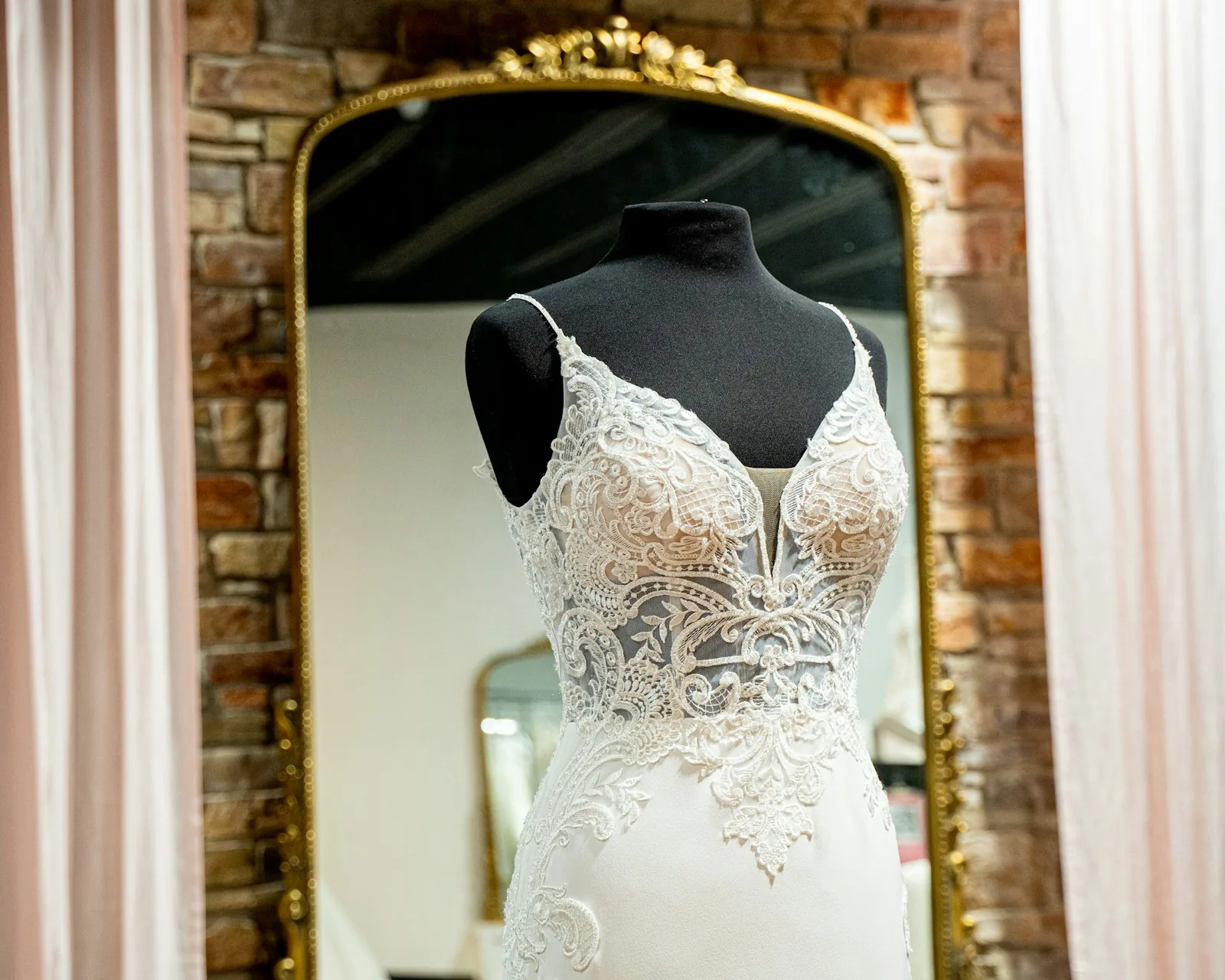
A major bridal retailer responded to changing consumer behavior by introducing a Fit Guarantee program this spring, promising to correct the fit of any dress purchased anywhere, whether from the retailer itself or from competitors. This policy shift wasn’t purely altruistic. The company’s data showed the average customer dress size had shifted from 12-14 down to 6-10. Without intervention, shoppers were waiting until closer to their wedding dates to purchase, compressing the sales timeline.
The guarantee worked. Within a week of its launch, the average time between purchase and alteration returned to pre-pandemic norms. Customers felt confident buying earlier because they knew fit adjustments were guaranteed, regardless of how their bodies changed.
For apparel retailers across categories, consistency in sizing standards is becoming critical. Experts note that retailers don’t necessarily need to redesign their fit or silhouettes. Instead, they should establish fixed sizing standards and deploy tools to maintain them consistently across production. The issue isn’t that new sizes are needed, but rather that customers are moving between existing sizes at unprecedented rates, and retailers must help them navigate that transition smoothly.
The Return Rate Problem Is Intensifying
Online apparel returns exceeded 23% nationally last year, representing over $47 billion in merchandise. A significant driver of this surge is a practice called bracketing, where shoppers buy the same item in multiple sizes, try them on at home, and return what doesn’t fit. According to recent industry research, 65% of GLP-1 users engage in bracketing. Among those who do, 83% intentionally keep extra sizes in anticipation of continued weight loss.
Men using these medications bracket at nearly double the rate of women, and they’re more likely to report increased return frequency overall. For retailers, each return incurs reverse logistics costs like shipping, restocking, and inspection that often exceed the profit margin on the original sale.
To combat rising returns, retailers are deploying better product information tools, including detailed sizing videos and interactive fitting tools on product pages. These resources help shoppers make confident purchase decisions the first time, reducing unnecessary returns.
What Smart Retailers Are Doing Differently

According to Coresight Research data, approximately 70% of GLP-1 users have dropped at least one clothing size, and 42% have sized down by two or more sizes. Successful retailers are treating these customers as long-term relationships rather than single transactions.
One major men’s apparel retailer is now positioning itself as an authority on fit that will stay with customers through their size transitions, not just at one point in time. The company’s leadership acknowledges that most customers intend to return once they reach a stable size, so the strategy is to remain top-of-mind during that transition period.
Similarly, specialty retailers tracking consumer behavior across product categories are stocking end caps with items specifically designed for or marketed to GLP-1 users, such as active shorts, jeans, casual pants, and performance bras. These reflect the lifestyle changes accompanying medication use.
What This Means for Your Shopping Experience
As a shopper, you’re likely to see major retailers offering more flexible return windows, clearer sizing information, and personalized fit recommendations. Some apparel companies are introducing guarantees similar to the bridal industry’s model, removing the stress of purchasing during a period of body change.
The key takeaway: retailers that view GLP-1 users as customers navigating a transition rather than a temporary nuisance will win loyalty. Those that force customers to make permanent decisions on sizing before their bodies stabilize will struggle. For now, take advantage of generous return policies, use detailed sizing tools and videos before purchasing, and don’t hesitate to reach out to customer service with sizing questions.