Grocery Prices Set to Rise: What Shoppers Need to Know About Fuel Cost Pressures

Food prices have remained relatively stable over the past year, but industry experts are warning that a significant shift is coming. Elevated fuel costs are about to pressure retailers and suppliers who have successfully kept grocery prices in check for many consumers. Understanding what’s driving this change and how it will affect your shopping bills is essential for budgeting and making smart purchasing decisions.
Why Fuel Costs Matter to Your Grocery Bill
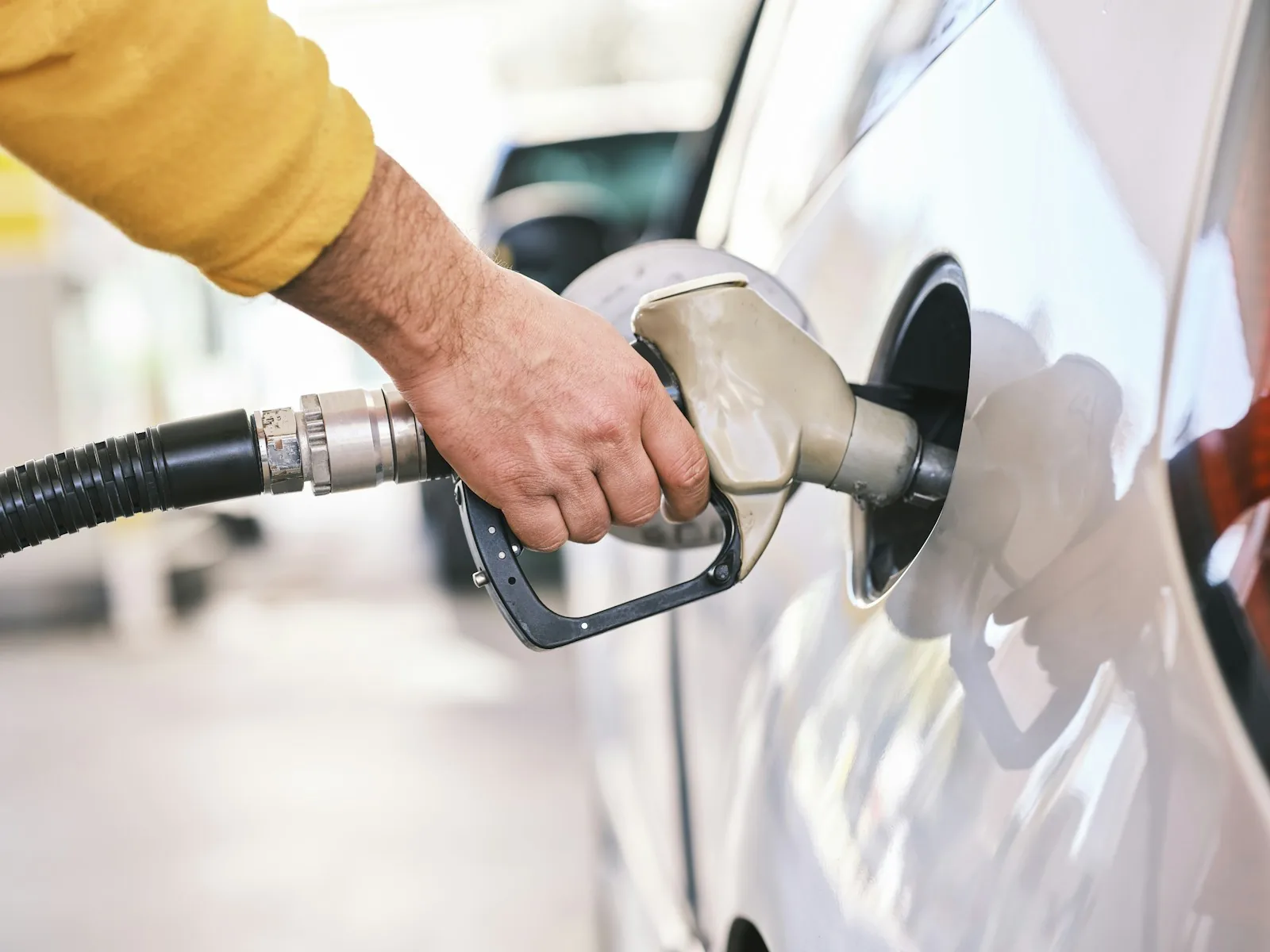
Diesel fuel is the lifeblood of the grocery supply chain. Trucks transport goods from farms to distribution centers and then to store shelves, making fuel costs a critical factor in the final price you pay for groceries. When diesel prices climb, retailers face mounting expenses across every aspect of their operations, from transportation to warehouse operations and refrigeration.
Recent data shows diesel prices have hit record highs, exceeding $6 per gallon. These increases put enormous strain on the entire grocery industry, as food companies and retailers struggle to maintain reasonable prices while their operating costs skyrocket. Until now, major players in the food industry have worked to absorb some of these costs rather than pass them directly to shoppers, but experts believe this cushion is running out.
What the Numbers Tell Us
Current grocery inflation stands at 2.2% annually, down from 2.7% in previous months, according to recent data. This decline might seem encouraging, but industry analysts caution against celebrating just yet. The sustained pressure from elevated oil prices means this temporary reprieve is likely temporary.
Food industry experts speaking at a recent briefing explained that companies have made deliberate efforts throughout 2026 to keep prices competitive and address consumer frustration about inflation. However, this restraint cannot continue indefinitely. Forecasters expect grocery inflation to climb back toward 2.7% or higher by year’s end as fuel costs filter through the supply chain and begin impacting shelf prices.
The Ripple Effect Through the Supply Chain
Higher fuel costs don’t simply affect transportation. They influence every part of the food production process. Farmers rely heavily on diesel for equipment and will soon need to make critical planting decisions for the next growing season. When their fuel costs rise, they typically pass those expenses along to food manufacturers, who then pass them to retailers, and ultimately the burden reaches your wallet at checkout.
The impact doesn’t happen all at once. Transportation costs affect prices relatively quickly, while other supply chain pressures, such as increased warehouse and cold storage expenses, take longer to materialize. This means shoppers should expect to see increases rolling out gradually through the final quarter of the year and beyond.
Understanding the Consumer Impact
The financial toll on American consumers has already been substantial. The increased fuel costs since early this year have cost U.S. consumers more than $113 billion collectively, according to recent tracking data. Shoppers have felt the squeeze at the pump, but many haven’t yet experienced the full impact at the grocery store.
To prepare, consider exploring every deal category we track to find strategic places to save. Additionally, understanding how rising tariffs, fuel costs, and interest rates squeeze retailers and manufacturers can help you anticipate market shifts and adjust your shopping habits accordingly.
What Shoppers Should Do Now
As prices begin to climb, smart consumers should take proactive steps to protect their budgets. Start by stocking up on non-perishable items and staples now, before increases take full effect. Compare prices across retailers, as different chains may absorb cost increases at different rates. Sign up for loyalty programs and digital coupons to maximize savings on essential groceries.
Consider diversifying your shopping among multiple retailers rather than relying on a single store. Some retailers have greater pricing power and may maintain more competitive rates during inflationary periods. Building a pantry of shelf-stable items purchased at current prices creates a buffer against upcoming increases.
Monitor grocery prices in your area and stay informed about what shoppers need to know about major retailer moves that might affect availability and pricing. Subscribe to relevant newsletters and check retailer websites for upcoming sales and promotions.
The Bottom Line
Grocery inflation is poised to accelerate as elevated fuel costs continue to pressure the entire food supply chain. While retailers have managed to keep prices reasonable for much of this year, that effort cannot sustain indefinitely. By understanding the forces at work and taking strategic action now, you can minimize the impact on your household budget and make more informed shopping decisions in the months ahead.