Dollar General Deploys AI Across Stores and Distribution Centers: What This Means for Shoppers
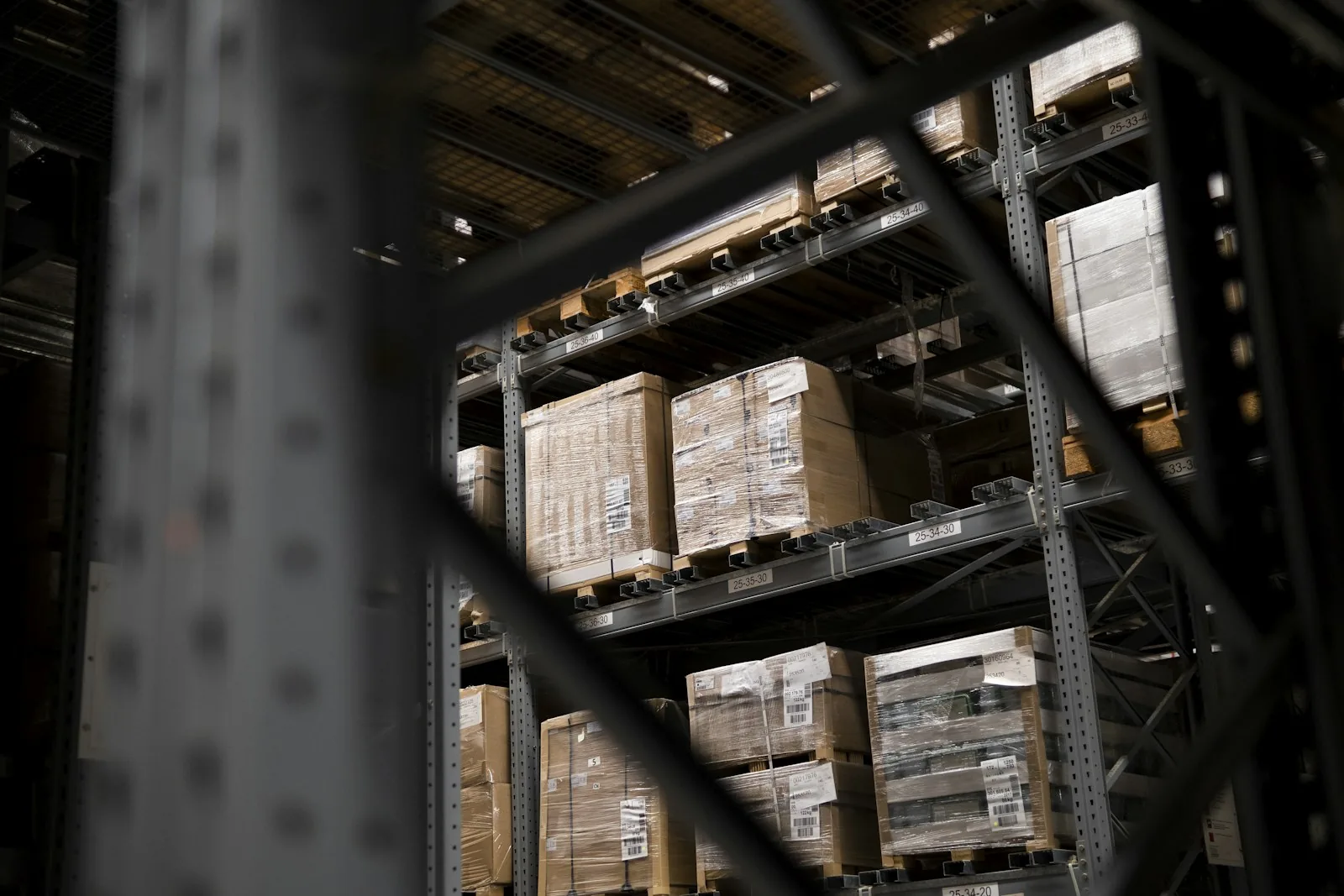
Dollar General, one of the largest discount retailers in the United States, is rolling out artificial intelligence technology across its massive network of stores and distribution facilities. The company recently announced it is implementing Relex Solutions’ AI platform to streamline how it manages inventory, orders, and shipments. With over 21,000 locations and 34 distribution centers across North America, this represents one of retail’s most ambitious AI deployments aimed at improving how products reach store shelves.
How the New AI System Works
The Relex platform brings together forecasting, restocking decisions, and product allocation into a single unified system. Instead of different departments operating with separate data sources, the AI coordinates planning across the entire network. Store managers, inventory specialists, and distribution center teams will all access the same real-time information about customer demand, sales patterns, and supply availability.
The system handles several critical functions simultaneously. It optimizes ordering schedules to ensure stores receive products when needed, manages lead times from suppliers, coordinates with multiple vendors, and determines the best fulfillment routes. By building actual sales data directly into the planning process, the AI can anticipate what customers will buy and position inventory accordingly.
This unified approach addresses a longstanding challenge in retail: getting the right products to the right stores at the right time. A smaller retailer might manage this with a handful of facilities and locations, but coordinating across thousands of stores requires computational power that AI provides.
What This Means for Store Inventory and Your Shopping Experience

For shoppers, more efficient inventory management translates into several potential benefits. When a retailer uses AI to predict demand accurately, store shelves stay better stocked with items customers actually want to purchase. You are less likely to encounter empty shelf spaces for popular products or unnecessary markdowns of items that did not sell.
The technology also helps retailers reduce waste. Overstocking ties up resources and often leads to discounted clearance sales, while understocking frustrates customers and forces them to shop elsewhere. AI-driven forecasting finds the middle ground, keeping stores lean while ensuring availability.
Additionally, better coordination between distribution centers and stores can lead to faster product rotation, fresher merchandise, and more efficient pricing. When logistics run smoothly behind the scenes, these improvements show up in the shopping experience.
Why Retailers Are Investing in Supply Chain AI
Dollar General is not alone in this push. Other major retailers including Lowe’s have similarly expanded their AI partnerships to manage inventory more effectively, with full rollouts expected in coming years. Guitar Center implemented comparable technology to reduce both stockouts and overstock situations. These investments reflect a broader shift in how the retail industry operates.
Supply chain efficiency directly impacts a retailer’s ability to manage costs. Raw materials, transportation, labor, and facility maintenance all represent significant expenses. When AI reduces waste, eliminates unnecessary emergency shipments, and optimizes warehouse operations, those savings can be passed along to consumers through better pricing and improved in-store strategies.
For discount retailers like Dollar General, which operates on thin profit margins, these efficiencies are essential. The company’s leadership has emphasized that AI is part of a broader strategy to reshape operations and increase productivity across the organization. This is not simply about technology adoption, it is about survival and growth in an increasingly competitive market.
The Broader Picture of AI in Retail
The expansion of AI in supply chain management represents just one application of artificial intelligence in retail. As AI continues reshaping how customers discover products, the technology is also transforming the backend systems that make retail possible. From purchasing decisions to pricing strategies, AI is becoming embedded throughout retail operations.
These systems are still in relatively early stages. Dollar General’s leadership acknowledged they are still early in their AI journey. As the technology matures and more data feeds into these platforms, the improvements to inventory management and customer experience should become more pronounced.
What to Expect Going Forward
Shoppers should expect to see gradual but noticeable improvements in inventory availability and product selection at participating retailers over the coming months and years. While dramatic changes might not occur overnight, the long-term trajectory points toward better-stocked stores and more efficient operations. As retailers continue refining these systems and competing for customer loyalty, the pressure to deliver superior shopping experiences through technology-enabled efficiency will only increase.