Amazon Closing Grocery Partner Storefronts: What Shoppers Need to Know
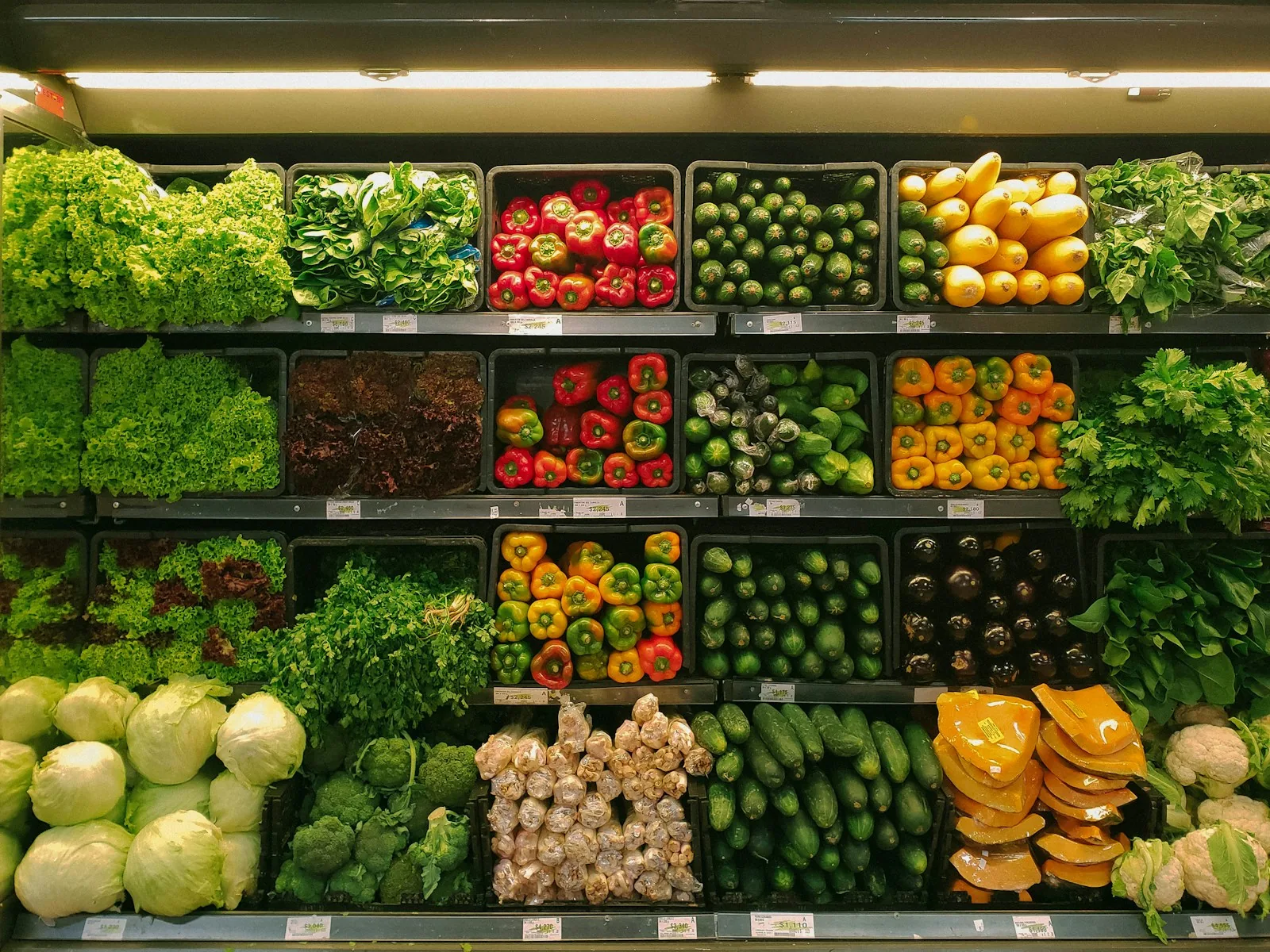
Amazon Simplifies Online Grocery by Ending Partner Storefronts
Amazon has announced plans to close an unspecified number of individual grocery partner storefronts on its marketplace. The move signals a major shift in how the tech giant handles its grocery operations and what that means for consumers who rely on these services for their food shopping.
Why Amazon Is Making This Change
According to company officials, shutting down separate storefronts will streamline the shopping experience and eliminate unnecessary friction in the checkout process. Currently, each grocery partner operating on Amazon.com requires customers to navigate different fees, varying delivery windows, and distinct checkout procedures. This fragmentation has created confusion and inconsistency across the platform.
The company plans to guide shoppers toward the most convenient grocery options available on its marketplace as these individual storefronts close. Amazon emphasized that it remains committed to serving grocery customers effectively, but it needed to evolve its approach based on customer feedback.
What This Means for Grocery Retailers
The transition impacts several grocery retailers that previously operated as third-party partners through Amazon’s marketplace. In the United States, affected retailers have included Winn-Dixie, Metropolitan Markets, and Weis Markets. International grocers like Morrisons in Europe are also experiencing changes to their Amazon partnerships.
Rather than disappearing entirely, Amazon is working with these grocery partners to establish alternative collaboration models. These include hosting Amazon Lockers and return points at physical store locations, co-locating Amazon operations within existing retail stores or warehouses, and leveraging Amazon Web Services cloud infrastructure to power retailers’ e-commerce platforms, supply chains, and data analytics operations.
Amazon’s Focus on Direct Grocery Operations
While stepping back from its partner storefront program, Amazon is simultaneously expanding its own direct grocery delivery services. The company currently offers same-day fresh grocery delivery to more than 2,300 U.S. cities and towns, plus select areas in Tokyo and London. Plans are underway to expand this footprint across additional regions in Japan and the United Kingdom, with international expansion continuing in the coming months.
This dual strategy reflects Amazon’s broader business direction: reducing its role as an intermediary platform provider while strengthening its position as a direct retailer and service operator. When you explore every deal category we track, you’ll notice that major retailers increasingly compete on convenience and integration rather than simple marketplace presence.
Employment Impact and Employee Support
The company confirmed that a limited number of jobs will be affected by this transition across Amazon’s organization. However, the company is actively supporting impacted employees by helping them transition into other internal roles rather than conducting widespread layoffs. This approach allows Amazon to retain institutional knowledge while reorganizing its workforce around new business priorities.
How This Affects Your Shopping Experience
Shoppers using individual grocery partner storefronts will receive advance notice before experiencing changes to their shopping experience. Amazon will provide clear direction on alternative ways to purchase groceries on its platform. Rather than eliminating grocery options, the company is consolidating them into a more unified system.
The shift suggests that grocery shopping through Amazon will become less about choosing between different retailer storefronts and more about accessing Amazon’s own fresh delivery service or selecting items from consolidated inventory. This could mean faster checkout, more consistent pricing, and fewer confusing variations in how orders are processed.
For consumers concerned about retailer transparency and policies, understanding these platform shifts matters. Similar to how retailer policies affect your shopping decisions, Amazon’s operational changes will influence how you purchase groceries online and which retailers you’ll interact with indirectly when placing orders.
What Comes Next
Amazon’s decision reflects broader trends in e-commerce, where platforms are becoming increasingly integrated and controlled. Rather than serving primarily as a marketplace where multiple retailers operate independently, Amazon is consolidating grocery offerings under its own infrastructure and brand experience.
Shoppers should monitor their email and Amazon accounts for official notifications about storefronts closing in their areas. Understanding these changes now helps you plan alternative shopping strategies if your preferred grocery partner is affected. Keep in mind that Amazon’s expanded direct delivery service may provide comparable or superior convenience compared to individual partner storefronts, depending on your location and specific grocery needs.