7 Tips to Reduce Your Spending on Home and Car Insurance

Insurance costs have spiraled out of control for millions of homeowners across the country. Home insurance premiums have climbed nearly 37% over the past decade, while car insurance has jumped even more dramatically, surging over 50% in the same timeframe. What makes this crisis even more pressing is that a recent analysis found insurance payments now exceed property taxes in roughly three-quarters of counties nationwide. For homeowners already grappling with higher mortgage rates and rising home prices, this represents yet another squeeze on their monthly budgets.
The reasons behind these increases are well-documented: climate change has elevated property risk in many regions, home values continue to rise, and repair costs have become substantially more expensive. Nebraska residents have felt this pain acutely, experiencing a staggering 79% increase in home insurance rates over the last decade. On average, home insurance alone costs about 14% more than property taxes, and when you bundle in car insurance, that gap widens to 30%. In some southeastern areas, insurance premiums can run four times higher than a typical property tax bill.
While you cannot reverse these market-wide trends entirely, you do have concrete strategies to lower the premiums you personally pay. Whether you are shopping for a home or already locked into a mortgage, these actionable steps will help you reclaim control of your spending on insurance.
Steps to Take Before Buying a Home
If you are not yet a homeowner, you have the advantage of making strategic choices that will reduce your future insurance burden. Consider the size and age of the property you select, as these factors directly impact what insurers will charge.
Buy a Smaller Home
A large house naturally requires more insurance coverage. By choosing a property with fewer bedrooms or a smaller footprint, you will immediately qualify for lower premiums. This modest sacrifice in square footage can translate into meaningful annual savings on your insurance bill.
Prioritize Newer Construction
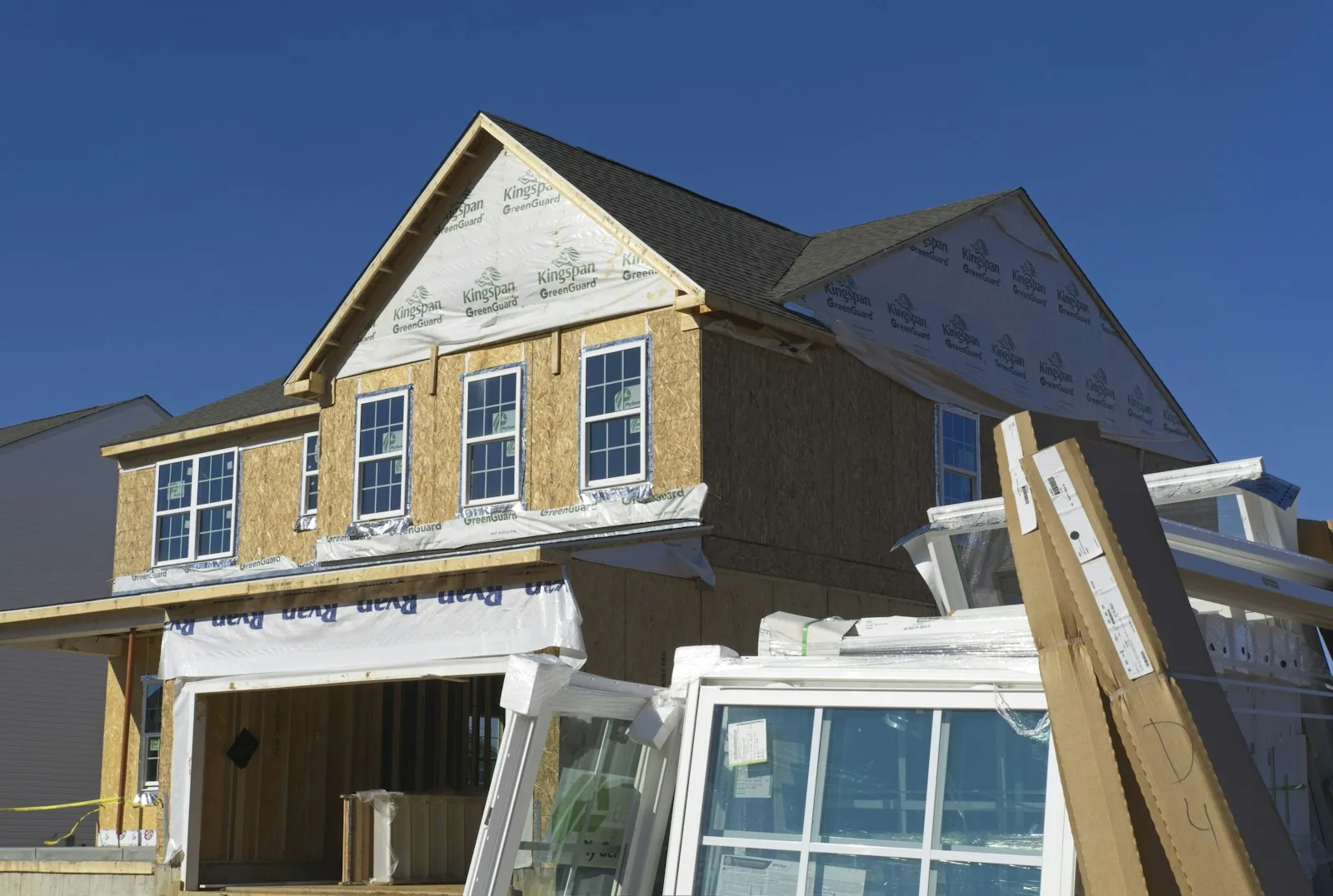
New homes typically cost less to insure than older properties because they have modern systems and materials that are less prone to failure. While a newly built home may carry a higher purchase price, if you are deciding between two properties at similar price points, the newer one will likely come with lower insurance costs.
Check the Flood Hazard Zone
Insurance companies rely on FEMA flood maps when calculating rates. Choosing a home in a lower-risk flood zone will result in reduced premiums. This is one of the simplest geographic factors you can evaluate before making an offer.
Find Proximity to Fire Protection
Homes located close to fire stations and fire hydrants are perceived as lower risk by insurers and receive more favorable rates. A property minutes away from emergency services will cost substantially less to insure than one in a remote area.
Skip the Pool
Pools are viewed as liability hazards and will increase your insurance premium. Unless a pool is essential to you, skipping this feature will save money both on insurance and on maintenance costs. You can always access pools through gym memberships or community facilities.
Strategies for Current Homeowners
If you already own your home, your options may feel limited, especially if you locked in a favorable mortgage rate. However, several practical tactics can still meaningfully reduce your insurance expenses. Explore tips to manage your spending on essential services like insurance to free up money for other priorities.
Upgrade Critical Systems
Replacing an aging roof, HVAC system, plumbing, or electrical wiring signals lower risk to insurers. After completing these upgrades, notify your insurance company about the improvements. The resulting rate reduction can be substantial and will offset some of your renovation costs.
Implement Fireproofing Measures
For homeowners in high-fire-risk areas like California, taking steps to fireproof your property can yield dramatic savings. In some cases, these improvements allow you to move off expensive assigned-risk plans onto standard policies, saving thousands annually. Contact your insurer first to learn which specific fireproofing measures will qualify you for lower rates.
Pay Your Premium in Full
Paying your entire annual insurance premium upfront rather than in monthly installments often qualifies you for a discount. This strategy applies to both home and car insurance and can save you several hundred dollars each year. If you have the cash on hand, this is an easy win.
Raise Your Deductible
A higher deductible means you will pay more out-of-pocket if you file a claim, but it lowers your premium significantly. This approach makes sense only if you have a robust emergency fund that can cover the deductible amount. For those with adequate savings, this can reduce your annual bill by another couple hundred dollars.
Shop Your Coverage Annually
Taking just a few minutes to compare insurance quotes from different companies before your renewal date often uncovers cheaper alternatives. Many insurers offer online quote tools, and switching carriers can save you hundreds per year. Even if you do not find a better rate, you will gain peace of mind knowing your current premium is competitive. Browse every deal category we track to discover additional opportunities for cutting household expenses.
The rising cost of insurance is a real financial burden, but it is not entirely beyond your control. By taking intentional action, either before you purchase a home or as a current owner, you can meaningfully lower the premiums you pay and protect your overall budget from continued strain.