Target Ends Ulta Partnership: What Shoppers Need to Know About Beauty Shopping

Target and Ulta Beauty officially ended their shop-in-shop partnership on Sunday, marking a significant transition in how the major retailer will approach the fast-growing beauty market. The separation was announced jointly by both companies last August, and now shoppers will see dramatic changes across Target locations nationwide.
What Changed for Target Shoppers
For roughly a year, Target housed over 600 Ulta Beauty shop-in-shop locations within its stores, representing nearly one-third of Target’s entire U.S. store fleet. As of May, Target operated 2,002 locations total. The partnership dissolution means customers will no longer find dedicated Ulta Beauty sections in most Target locations when they shop for cosmetics, skincare, and fragrance products.
One practical change affects loyalty rewards. Customers who previously linked their Ulta Beauty Rewards accounts with Target Circle loyalty program accounts will lose this integration. However, any Ulta Beauty Rewards points accumulated through purchases at Target before the partnership ended will remain in those accounts and can still be used at standalone Ulta stores.
How Target Is Filling the Beauty Void
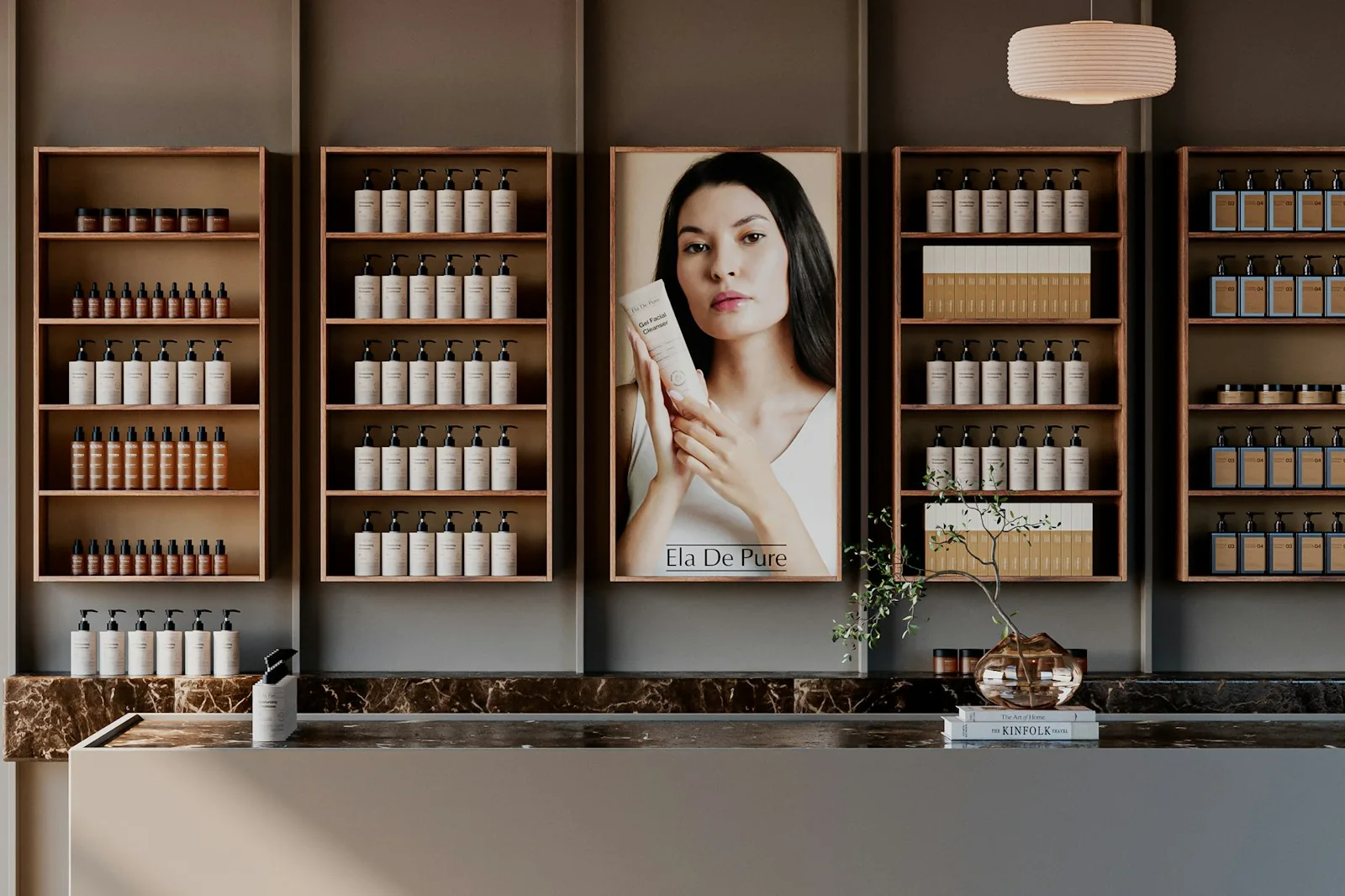
Rather than abandon the beauty category, Target is replacing the Ulta partnership with its own initiative called Target Beauty Studio. The retailer plans to introduce this new beauty experience in approximately 600 locations, though it has not yet announced specific opening dates or which stores will receive the concept first.
Target’s chief merchandising officer, Cara Sylvester, introduced the Beauty Studio concept during a financial community meeting in March, framing it as part of a broader turnaround strategy under CEO Michael Fiddelke. The new approach will give Target more control over beauty merchandising and potentially better profit margins. Sylvester noted that Target plans to integrate beauty-specific rewards directly into its Target Circle loyalty program, allowing shoppers to earn benefits on their beauty purchases just as they do on other product categories.
Industry experts view this shift positively. Neil Saunders, managing director at GlobalData, told reporters that Target’s beauty business remains substantial even without Ulta. He noted that the new Beauty Studio concept demonstrates Target is not retreating from beauty but rather positioning itself for long-term growth with more premium, inspirational, and innovative offerings.
What This Means for the Broader Retail Beauty Market

The Target-Ulta separation reflects a larger transformation in how Americans shop for beauty products. The traditional divide between mass-market retailers like Target and Walmart versus specialty beauty stores like Sephora and Ulta is blurring rapidly. Both channels are experiencing strong growth, with prestige retail beauty sales in the U.S. growing 7 percent year over year to $17.1 billion during the first half of 2026, and mass retail beauty sales increasing by the same percentage to $39.2 billion, according to recent market data.
Target’s first-quarter earnings demonstrated the company’s momentum. Net sales jumped 6.7 percent year over year to $25.4 billion, with beauty net sales specifically increasing about 9.5 percent to nearly $3.4 billion. These numbers suggest that Target’s beauty business is thriving and positioned to sustain growth even without Ulta’s brand presence.
Walmart, Target’s primary competitor, is also doubling down on beauty. In April, Walmart announced it would expand a specialized beauty store associate role to 425 locations across the country following a successful pilot program. This move indicates that mass retailers now recognize beauty as a crucial category where they can compete directly with specialty retailers.
The Future of Omnichannel Beauty Shopping
According to retail analysis from Kearney, shoppers are no longer choosing between mass and specialty channels. Instead, they are assembling their beauty baskets across multiple retailers based on every deal category we track and evaluating each retailer challenges on curation, experience, convenience, and community. About 45 percent of U.S. beauty shoppers purchase through mass-market channels, while 44 percent buy through specialty retailers, indicating nearly equal consumer preference across both formats.
The challenge for mass retailers moving forward is ensuring customers can complete their entire beauty shopping trip in one visit. Shoppers who visit Walmart or Target for groceries and household essentials want the ability to fill their full beauty needs at the same stop without compromising on selection or quality.
Target’s Beauty Studio initiative and Walmart’s beauty associate expansion represent strategic responses to this consumer behavior shift. By investing in better curation, trained staff, and integrated loyalty rewards, these mass retailers are closing the gap that once separated them from specialty beauty chains. For shoppers, this transition means more choice, better competition, and potentially improved beauty offerings at the stores where they already shop for other everyday items.