Target Uses Digital Twins to Predict Inventory Problems Before They Happen
Target is taking a high-tech approach to keeping store shelves stocked and fresh products available. The retailer recently unveiled a tool called Proxima, a digital twin technology that simulates how inventory decisions will play out before teams implement them across the supply chain. This innovation represents a significant step forward in how modern retailers manage the flow of goods from warehouses to your local store.
What Is a Digital Twin and How Does Target Use It?
A digital twin is essentially a virtual replica of a real-world system. In Target’s case, Proxima mirrors the retailer’s middle-mile inventory positioning system, which controls how products move between distribution centers and individual stores. By running simulations based on actual data and the same logic used in live operations, Proxima allows inventory teams to test decisions in a risk-free environment before committing resources.
When Proxima identifies a potential problem during simulation, teams can adjust their approach or explore alternative strategies. If the simulation shows that a plan will work smoothly, managers gain confidence to move forward. This capability reduces costly trial-and-error approaches and helps avoid supply chain disruptions that can leave shelves empty.
Real Results: Fresh Food and New Facilities
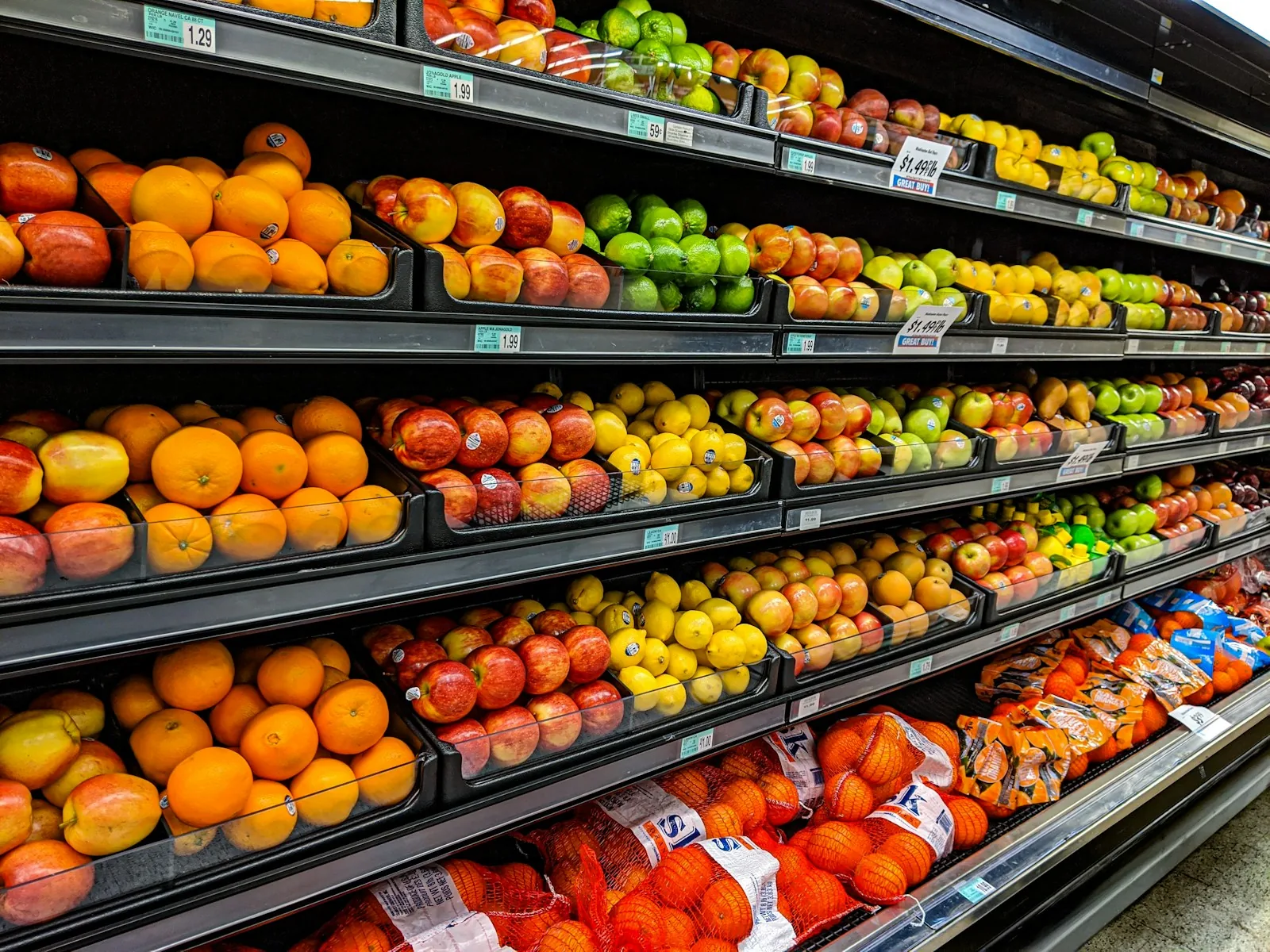
Target has already demonstrated the practical value of Proxima across different parts of its business. Fresh food products present unique inventory challenges due to expiration dates and varying lead times. During a pilot program involving 63 food items, Target’s team used Proxima to simulate inventory flow changes before implementing them. The result: a 2.5 percent improvement in how often fresh food products stayed on shelves. For shoppers, this means better access to produce, meat, and dairy when you need it.
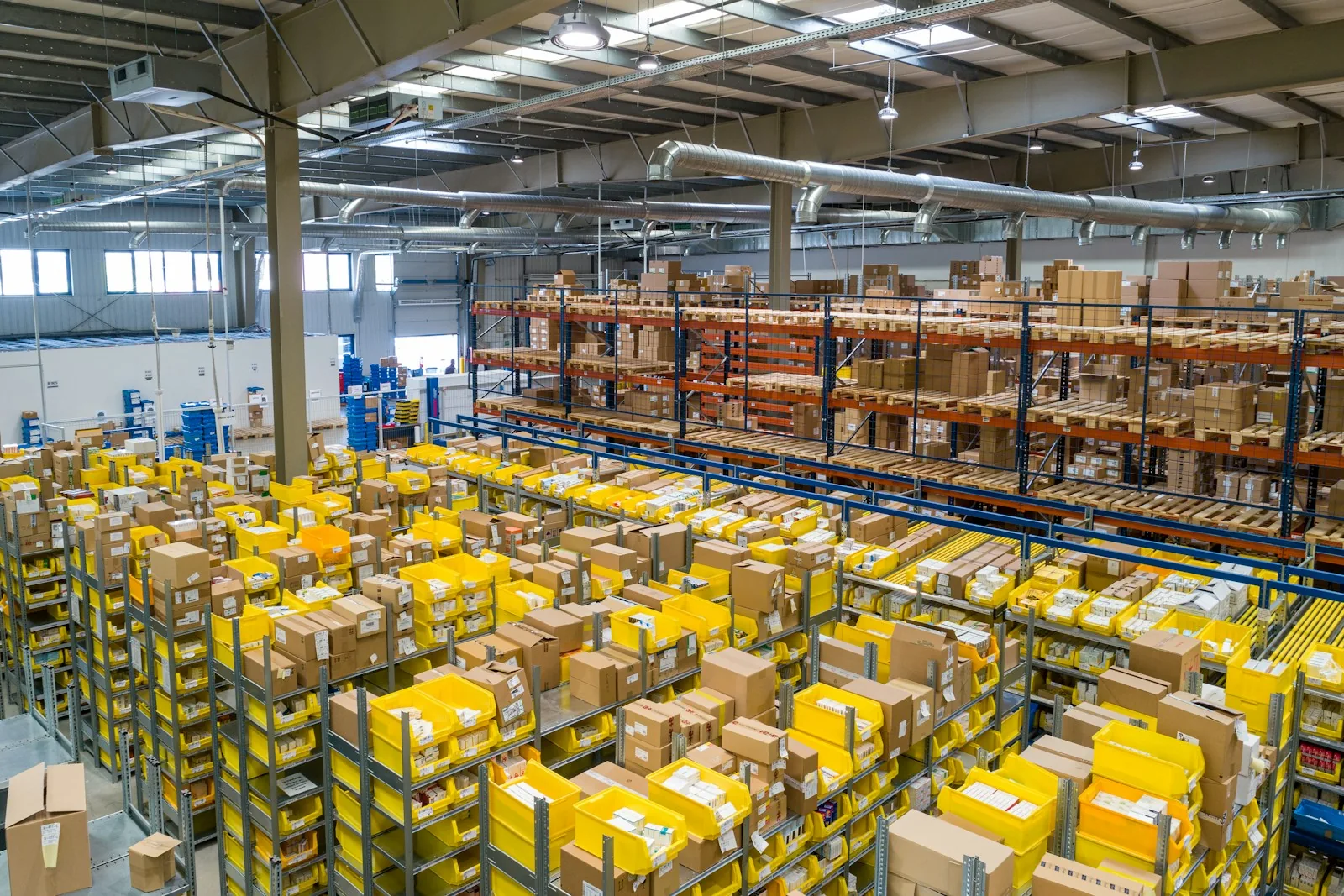
The retailer also applied Proxima to a major infrastructure project: the opening of its new Houston Receive Center. This 1.2 million-square-foot facility is the first of its kind for Target and serves as a central hub for six regional distribution centers. Before the facility began operating, Proxima simulated the flow of inventory in and out with approximately 98 percent accuracy. Thanks to these virtual rehearsals, Target minimized disruption when the center went live, helping the retailer work through complex logistics with greater certainty.
Why This Matters for Shoppers
Behind every successful shopping trip lies an intricate web of supply chain decisions. From ordering the right quantity of items to routing products through the most efficient facilities, retailers must balance countless variables. When those systems fail, shoppers encounter empty shelves, limited selection, and frustration. How retailers are gearing up for the 2026 holiday season shows that sophisticated inventory planning is becoming table stakes in competitive retail.
Target’s investment in Proxima reflects a broader industry trend toward data-driven decision making. When a retailer can predict problems before they occur, it naturally leads to better product availability, faster restocking, and fewer instances of running out of popular items. This directly benefits you as a shopper by ensuring the products you want are more likely to be in stock when you visit a store or place an order.
What’s Next for Target’s Inventory Technology
The retailer has signaled that Proxima is just the beginning. Target plans to expand the tool across more parts of its supply chain network. Looking further ahead, Target envisions using insights from Proxima to power artificial intelligence systems that can automatically evaluate options, prioritize actions, and even make certain operational decisions with minimal human input. This shift toward AI-powered automation could make future inventory management even faster and more responsive to demand changes.
Target’s broader strategy emphasizes enhanced demand forecasting, machine learning, and artificial intelligence as key pillars of its inventory transformation. These tools work together to help the retailer predict what customers want, position inventory in the right locations, and adjust operations in real time. Every deal category we track benefits when retailers execute these fundamentals well.
For shoppers, this investment in supply chain technology ultimately translates to a more reliable shopping experience. When retailers use digital twins and predictive tools to solve problems before they happen, shelves stay fuller, product selection remains diverse, and the likelihood of finding what you need increases significantly. As Target continues rolling out Proxima across its network, customers can expect to see the real-world effects of this technological advancement in their stores and through online ordering.