Dillard’s Gains Ground in Competitive Department Store Market: What Shoppers Need to Know
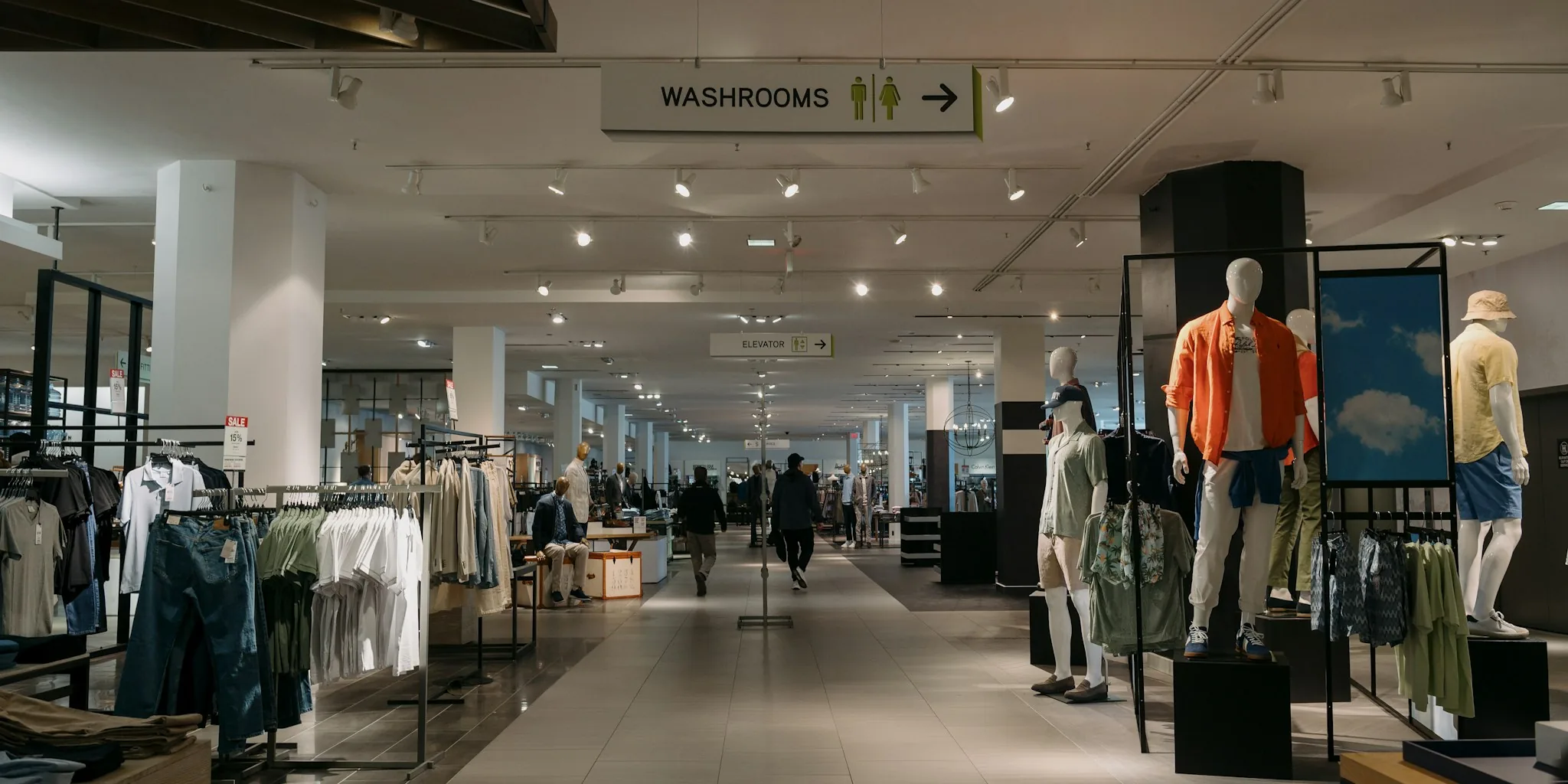
Department store competition remains fierce in 2024, and one major retailer is holding its ground better than expected. Dillard’s posted modest Q2 results that reveal shifting consumer behavior and what shoppers can anticipate in the retail landscape moving forward.
How Dillard’s Performed in Q2
Dillard’s reported Q2 sales growth of less than 1 percent year over year, reaching $1.5 billion across its core retail operations. Comparable store sales increased by 1 percent, a result that beat analyst forecasts. While these numbers may seem slim on the surface, they tell a story of a retailer successfully defending its customer base during challenging economic times.
The company’s bottom line received meaningful support from tariff refunds totaling $37.2 million, which accounted for most of the gross margin expansion. Net income rose 34 percent to $97.7 million when including real estate sale proceeds. Gross margin reached 40.9 percent, demonstrating that Dillard’s maintained pricing discipline without resorting to heavy promotional activity.
What Sold Well and What Didn’t

Performance varied significantly across product categories. Women’s accessories and lingerie saw substantial gains, while home goods rose at a moderate pace. Shoes, beauty, and men’s clothing all posted slight increases. However, children’s apparel, juniors, and women’s clothing all experienced moderate declines.
The decrease in women’s apparel reflects broader consumer spending patterns rather than customers defecting to competitors. Research from GlobalData indicates that shoppers simply spent less in this category due to rising everyday expenses like gas and groceries, not because they switched to rival department stores. Some children’s apparel sales may have shifted toward value-focused retailers, but the overall impact remained minimal for Dillard’s market position.
Market Share Gains During a Cautious Period
One of the most significant findings from analyst research is that Dillard’s actually captured market share from competing department stores despite modest sales growth. The retailer achieved this by avoiding excessive discounting, maintaining strong customer relationships, and protecting its brand pricing. Unlike many competitors, Dillard’s resisted the temptation to slash prices aggressively.
This pricing resilience created a balancing act for the company. By keeping prices stable, Dillard’s protected profitability but also left excess inventory on shelves as cautious consumers became more selective about purchases. Inventory levels climbed 5 percent year over year, reflecting the tension between maintaining healthy margins and managing stock in a weakened demand environment.
What This Means for Shoppers

For consumers shopping at Dillard’s and other department stores, this Q2 performance signals several important trends. First, major retailers continue adapting their strategies to economic pressures, which may affect product selection and availability going forward. Inventory buildups could eventually lead to clearance opportunities, though retailers are cautious about aggressive markdowns.
Second, shoppers can expect department stores to maintain competitive pricing relative to online marketers and discount chains, as retailers work to defend their traditional customer base. The ability to browse across every deal category we track online has made consumers more price-conscious and selective, which benefits those who shop strategically.
Third, the varying performance across categories means that shoppers may find better selection and pricing in certain departments than others. Women’s accessories and home goods showed strength, potentially offering better stock and value, while heavily discounted children’s and women’s apparel may indicate upcoming sales opportunities.
Looking Ahead for Retailers and Consumers
As the retail calendar moves into the crucial second half of the year, Dillard’s and its competitors face a delicate balancing act. Consumer spending remains somewhat resilient but fragile, with shoppers carefully managing budgets. Retailers must maintain inventory discipline while avoiding stockouts of popular items, all while protecting margins in an uncertain environment.
According to retail analysts, this inventory management will be critical during the back half of the year when holiday shopping traditionally dominates. Retailers that miscalculate could face either costly excess stock heading into 2025 or miss sales by running short during peak season.
The competitive environment means that shoppers benefit from comparison shopping and watching for strategic clearances. As retail expansion continues across the sector, consumers have more options than ever before, which keeps pricing competitive and quality standards high.
Dillard’s Q2 results ultimately demonstrate that thoughtful retail strategy, customer focus, and pricing discipline can pay off even in a slow-growth environment. For shoppers, this competition between major retailers creates opportunities to find quality merchandise at stable prices across a range of departments and product categories.