Grocery Prices Fall in July: What Shoppers Need to Know About Inflation Relief
Inflation pressures eased in July as grocery and gasoline costs dropped, bringing relief to American households grappling with rising living expenses. According to Labor Department data released Wednesday, consumer prices climbed 3.4% year-over-year, marking a slowdown from the steeper increases recorded in May and June. Month-to-month, prices inched up just 0.1%, a dramatic deceleration from the 0.4% decline seen the previous month.
What Drove Grocery Price Declines
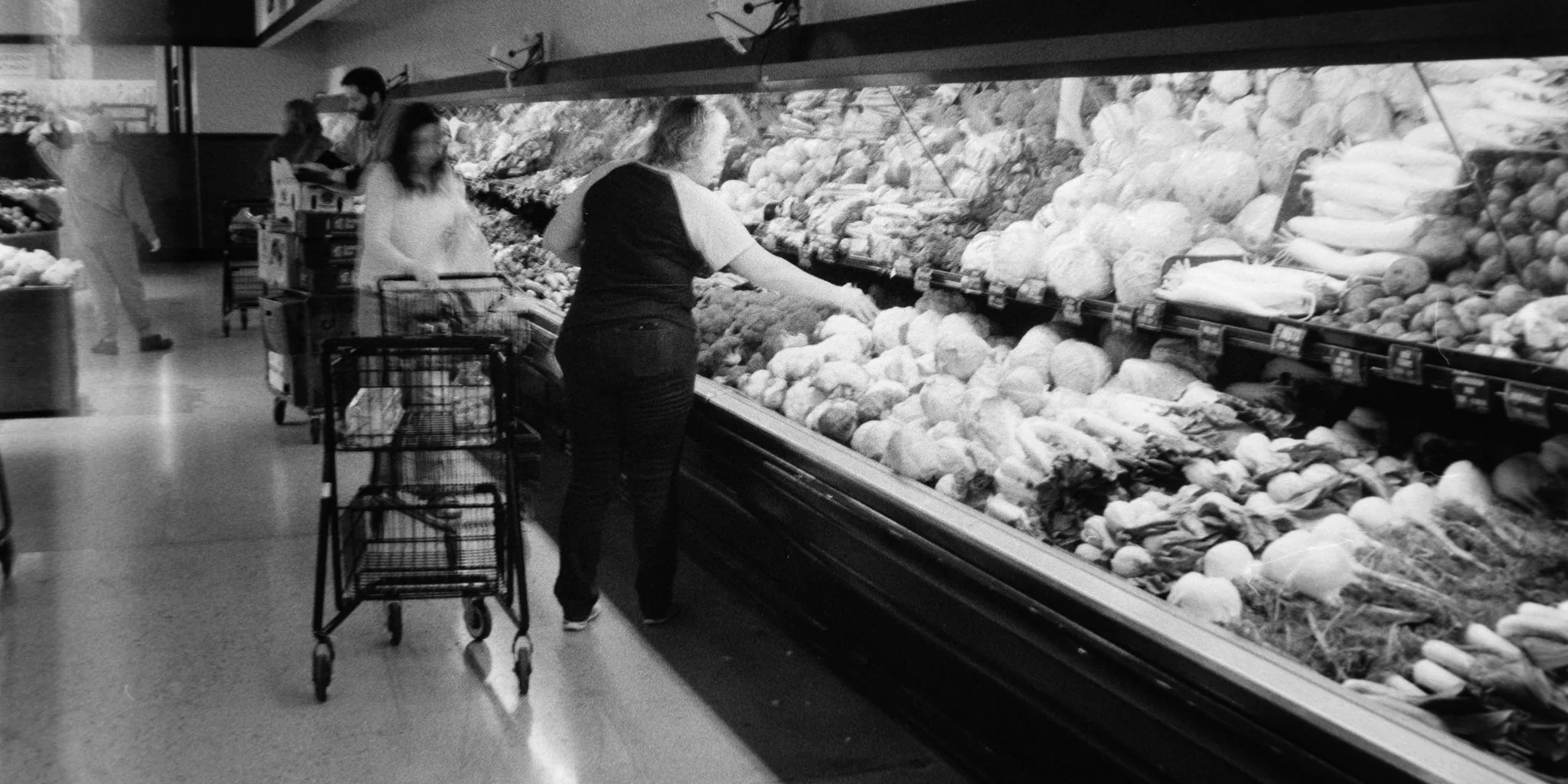
One of the most notable factors helping to cool inflation last month was a sharp pullback in produce costs. Lettuce prices plummeted more than 16% in July alone, driven by a food-borne illness outbreak that forced retailers to recall iceberg lettuce imported from Mexico. In response to consumer concerns and excess inventory, supermarkets aggressively discounted other leafy green varieties to rebuild shopper confidence and move stock. These promotional efforts significantly contributed to the overall decline in food prices that households saw at checkout.
While lettuce experienced the most dramatic drop, broader grocery categories benefited from the easing of earlier supply chain pressures and seasonal inventory adjustments. Retailers maintained competitive pricing on many staple items, which helped offset increases in other categories like dairy and packaged goods.
Energy Costs and Broader Price Trends

Gasoline prices also retreated in July, providing another source of relief for household budgets. Despite the monthly decline, however, the average price of regular unleaded fuel remained more than one dollar per gallon higher than pre-conflict levels, according to AAA data. International disruptions to tanker traffic in critical shipping lanes have kept energy costs elevated compared to historical baselines, even as recent momentum has turned downward.
Not all price categories moved in the same direction. Rents continued climbing in July, and airline ticket prices surged, pushing upward on the overall inflation measure. These gains were substantial enough to offset much of the benefit from grocery and fuel declines, yet overall inflation still retreated from prior months.
Core Inflation and Federal Reserve Implications

Stripping out the more volatile food and energy categories, core inflation stood at 2.5% for the 12 months ending in July, down from 2.6% in June. This slower pace of underlying price increases carries significant implications for monetary policy. The Federal Reserve has committed to bringing inflation under control, and these latest figures suggest some progress on that front.
Following the release of Wednesday’s report, financial markets shifted their expectations for interest rate decisions. Investor odds of a September rate increase dropped to approximately 40%, down from higher probabilities estimated just days prior. A less aggressive monetary policy stance could benefit borrowers seeking mortgages, auto loans, and credit products, though another inflation report will be released before policymakers convene next month.
What This Means for Your Wallet
For shoppers navigating tight household budgets, the monthly decline in grocery prices offers tangible relief. Over recent months, many consumers have shifted shopping behaviors, choosing store brands over name brands and trading down to less expensive product categories. The combination of falling lettuce and produce prices, along with seasonal produce availability, may provide an opportunity to rebuild meal variety and nutrition without the premium prices of earlier months.
However, it is important to contextualize these developments. While July brought cooling inflation, overall prices remain significantly elevated compared to pre-pandemic levels across most consumer categories. Rent increases and other cost pressures continue to strain household finances, particularly for renters and those on fixed incomes. The gradual cooling of inflation represents progress, but many families will continue to feel the cumulative impact of price increases from prior months and years.
Looking ahead, consumers should monitor weekly grocery flyers and in-store promotions, as retailers may extend discounts on produce and other items for several more weeks as they clear summer inventory. The trajectory of grocery prices over the coming months will depend on harvest cycles, supply chain stability, and broader economic conditions that influence retailer markups and wholesale costs.