Three Major Department Stores Face Critical Holiday Test: What Shoppers Need to Know
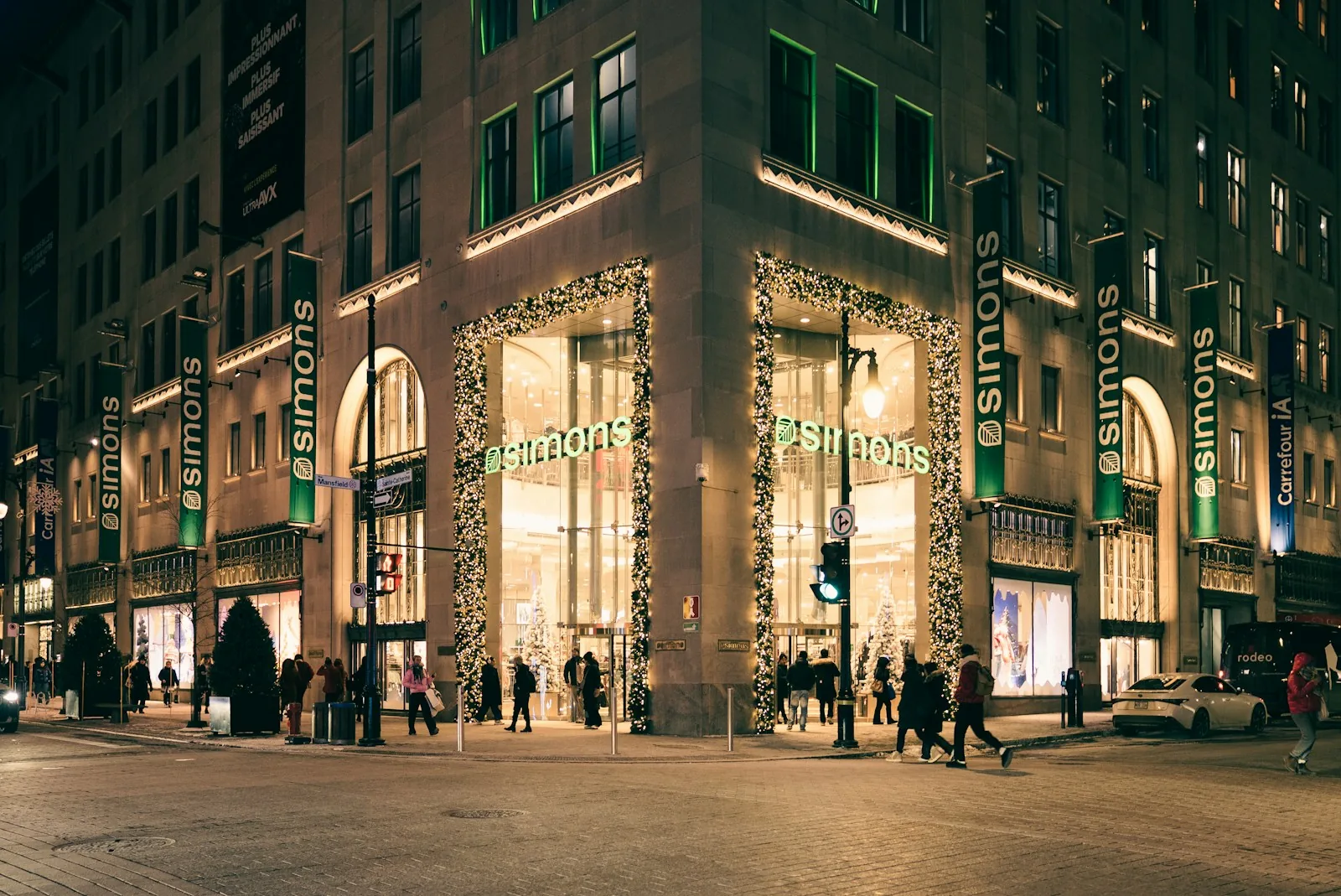
The holiday shopping season is a traditional stronghold for department stores, and this year three major retailers are facing a decisive moment. Kohl’s, J.C. Penney, and Saks Fifth Avenue are all under intense scrutiny as they head into the final quarter, with industry analysts watching closely to see whether they can stabilize their businesses and prove their turnaround efforts are working.
Why the Holidays Matter for These Retailers
Department stores have historically thrived during the holiday season because they offer shoppers a broad selection of merchandise across multiple categories, all in one destination. From apparel to home goods to beauty products, customers can tackle much of their gift-giving list without bouncing between specialized retailers. The traditional department store format emphasizes immersive shopping with seasonal decorations, window displays, and special events designed to draw foot traffic.
For Kohl’s, J.C. Penney, and Saks, this holiday quarter represents far more than a typical sales period. Each retailer faces distinct challenges that make their Q4 performance crucial to their long-term survival. A strong season could demonstrate that consumers still value what these stores offer, while weak results could accelerate further deterioration.
Kohl’s Needs to Stop the Bleeding
Kohl’s has been attempting a turnaround for years without dramatic results. In its most recent quarter, comparable sales fell nearly 3%, with full-year net sales down 4%. The retailer brought in a new chief merchant from Walmart with experience at multiple major brands, signaling management’s commitment to change. However, a key strategy backfired: the Sephora shop-in-shops that were supposed to drive traffic and boost sales have instead posted declines for two consecutive quarters.
For the upcoming holidays, Kohl’s must convince middle and lower-income shoppers that its stores offer better value and selection than off-price chains, mass merchants, or online competitors. The company does have financial strength on its side, with strong cash flow and minimal debt, giving it runway to continue its turnaround. However, another weak holiday season would force difficult questions about whether more drastic restructuring is necessary. Shoppers should watch Kohl’s promotional strategy closely to see whether the retailer can maintain healthy margins while still attracting customers.
J.C. Penney’s Struggles Intensify
J.C. Penney appeared to gain some momentum earlier in 2025, but that progress stalled dramatically. Holiday sales last year plunged 8%, and the declines have continued into 2026 with another 8% drop in net sales for the most recent quarter. The retailer lost market share, though it did show strength in activewear and beauty categories.
J.C. Penney’s situation is complicated by its ownership structure. Simon Property Group and Brookfield (formerly GGP) acquired the company during its 2020 bankruptcy, and they have financial incentives to keep Penney stores operating in their malls, even if the retailer struggles. This protection means J.C. Penney won’t disappear overnight, but it also means the company must eventually demonstrate real improvement. The holiday season will test whether the combination of affordable apparel, home goods, and beauty products can drive customer traffic and spending. The risk is that persistent weak sales and razor-thin margins leave the retailer without sufficient flexibility to invest in its future.
Saks Emerges from Bankruptcy, Faces Biggest Test

Saks Fifth Avenue’s parent company, now rebranded as Exemplar Luxury Group, emerged from bankruptcy earlier this year after a tumultuous 2025. The company struggled to pay vendors throughout the past year, creating merchandise shortages during the critical holiday quarter. Now operating under new management and with its debt load trimmed to under $1 billion, the luxury retailer must rebuild relationships with vendors and convince affluent customers to return.
The Saks banner itself has shrunk dramatically, with its full-line store count cut in half to just 15 locations. This represents a major vulnerability compared to its competitors. The company also owns Neiman Marcus and Bergdorf Goodman, creating complexity in operations and marketing strategy. Notably, Saks closed its iconic Michigan Avenue store in Chicago, leaving that premium shopping destination to Neiman Marcus alone. Some industry observers question whether this consolidation actually serves customers well or simply reflects Exemplar’s inability to fund multiple banners adequately.
Luxury demand has cooled across the industry this year, and affluent shoppers appear to have pulled back on discretionary spending. Saks must demonstrate that it can restore customer confidence, manage inventory effectively, sell merchandise at full price rather than relying on heavy discounting, and generate sufficient cash flow to support its financial obligations. A strong holiday season would help, but sales alone won’t solve the deeper structural questions facing the business. You can explore every deal category we track to see how department stores stack up against other retail formats this season.
What This Means for Shoppers
For consumers, the performance of these three retailers will determine not just which stores remain open in your area, but also what inventory and selection will be available during future holiday seasons. A continued decline at any of these chains means fewer physical shopping destinations and potentially reduced competition that could affect pricing and service quality. Successful turnarounds, by contrast, would ensure that department stores remain a viable shopping format with the breadth of selection and convenience they’ve traditionally offered. Watch for holiday inventory levels, promotional depth, and customer service quality at these retailers as early indicators of their viability.