Instacart Shuts Down Smart Cart Business: What This Means for Shoppers
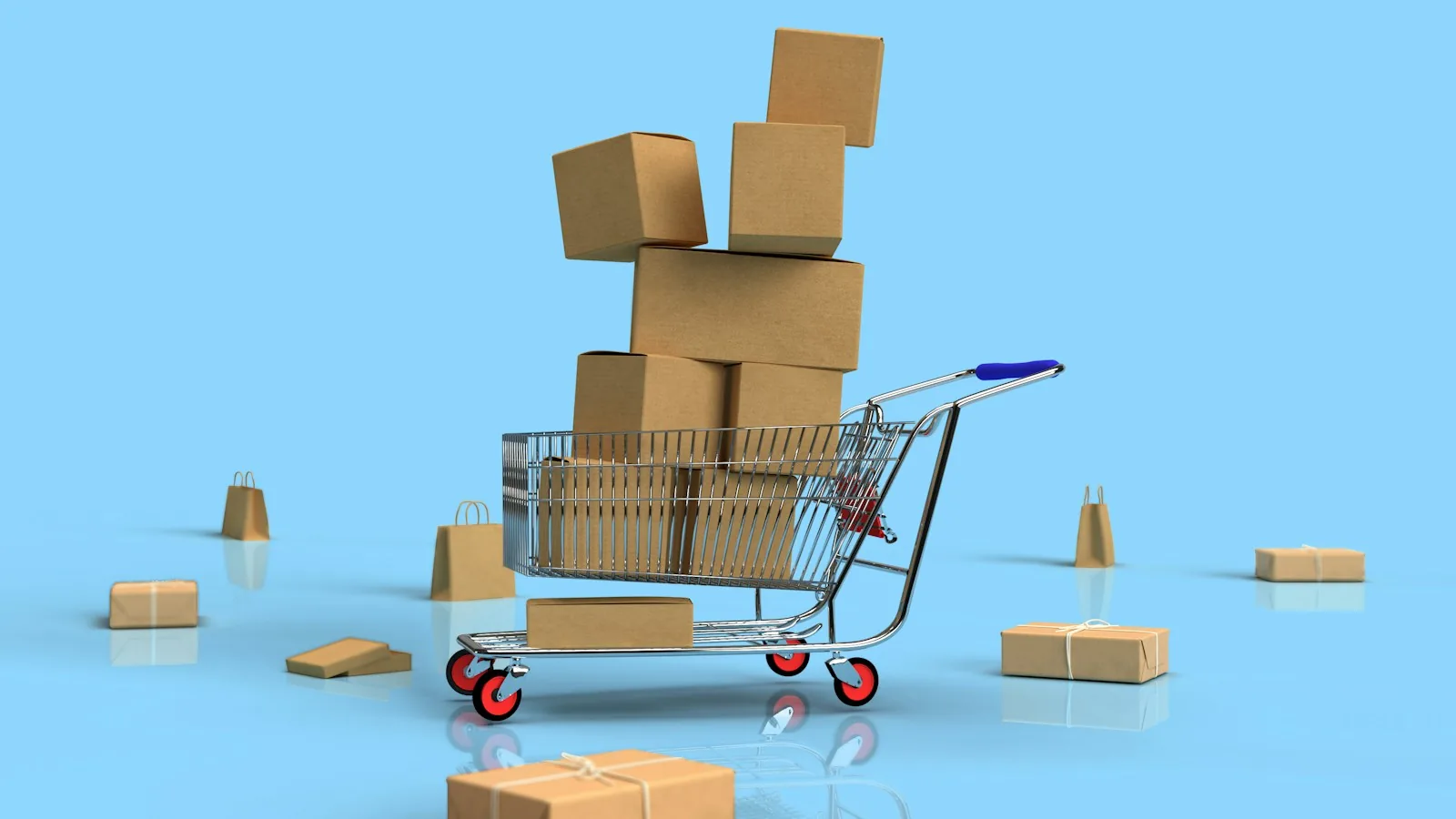
Instacart announced this week that it will discontinue its Caper Cart smart cart program, ending an ambitious push into in-store technology that began five years ago. The company cited weak adoption rates among grocery retailers as the primary reason for the shutdown, which will be completed by the end of the second quarter of 2027.
Why Instacart is Walking Away from Smart Carts
When Instacart acquired Caper AI for $350 million in cash and stock back in 2019, the company believed smart carts represented the future of grocery shopping. The shopping carts featured digital screens that displayed item locations, running totals of spending, and targeted advertisements for brands. Instacart promoted the technology as a way to gamify the shopping experience and help customers find products faster while also creating a new advertising channel for brand partners.
However, despite these benefits, most retailers never fully embraced the technology. According to Instacart, the adoption rate simply wasn’t strong enough to justify continued investment. The company now faces pre-tax charges between $55 million and $80 million to wind down the business, with an additional $12 million to $17 million in employee termination costs.
This decision reflects the harsh financial reality facing the grocery industry. With thin profit margins and ongoing economic pressures, most retailers prioritize solutions that can modernize their stores at scale without requiring expensive hardware replacements. Even as Instacart promoted partnerships with retailers like Weis Markets and Lakefront through mid-2024, broader market interest simply never materialized.
What the Future Holds for In-Store Technology
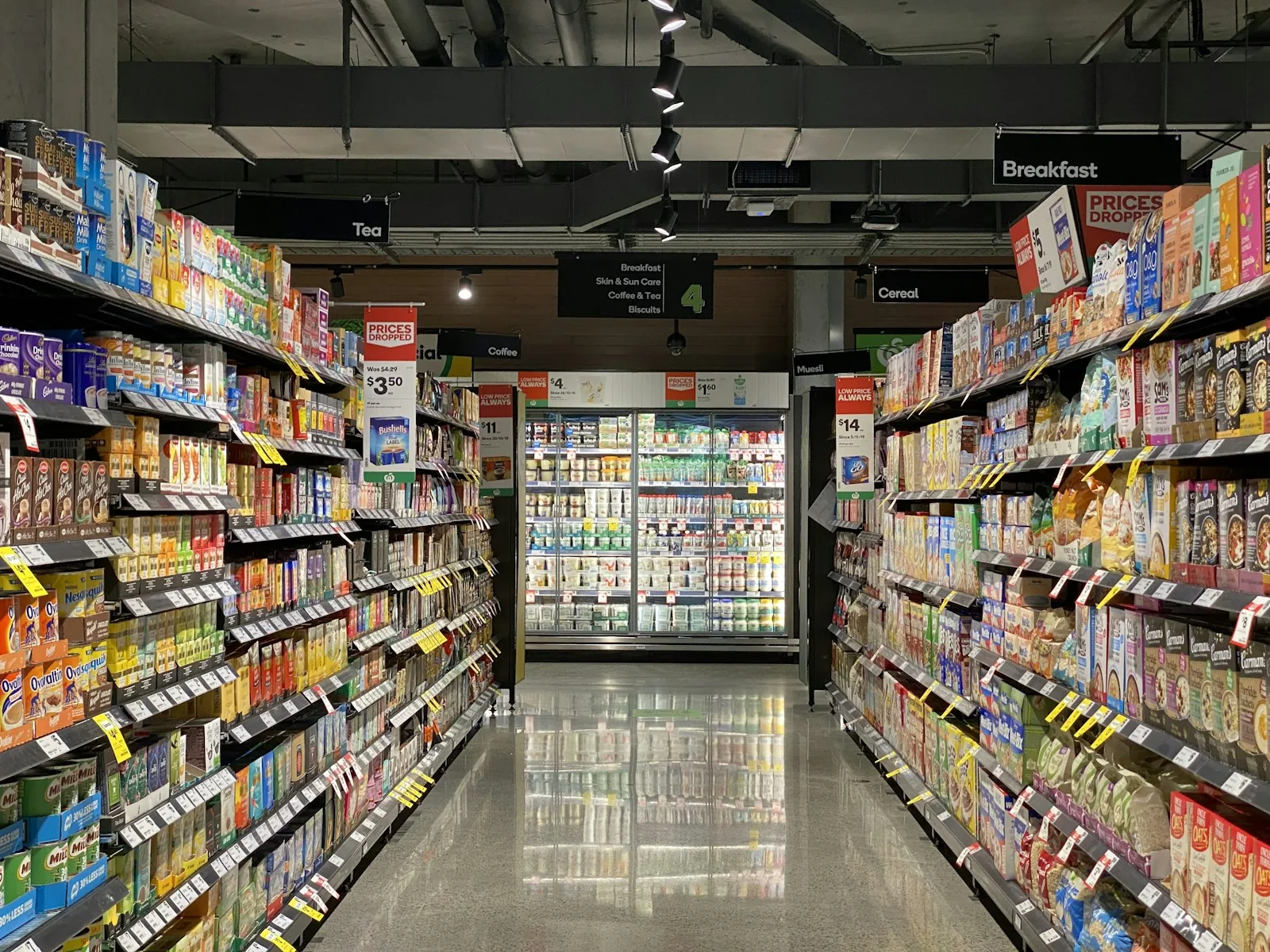
Rather than abandoning its ambitions in the grocery space, Instacart is pivoting toward software and artificial intelligence solutions. The company recently acquired Arpalus, a developer of AI-powered systems that allow workers to track product inventory using smartphone applications. This approach allows retailers to gain real-time visibility into store operations without investing in expensive physical equipment.
Instacart is also promoting new in-store software that provides grocers and consumer packaged goods brands with a real-time view of their stores. How retailers are using AI to make better executive decisions and hiring choices is becoming increasingly central to modern grocery operations, and Instacart believes its data analytics capabilities will be more valuable to store operators than physical smart carts ever were.
Impact on Shoppers and Retailers
For most grocery shoppers, the end of Instacart’s smart cart program will have minimal impact, since the technology was never widely deployed across the United States. Shoppers at the handful of retailers that adopted Caper Carts will lose access to the digital shopping features those carts provided, though their grocery experience will otherwise remain unchanged.
For retailers, the news signals that Instacart is shifting its strategic focus. Rather than pushing physical hardware solutions, the company will concentrate on providing data, analytics, and software tools that help store operators understand shopper behavior and optimize their operations. This approach aligns with broader industry trends showing that grocery prices are dropping as discount retailers reshape food costs through technology and operational efficiency.
The Broader Grocery Technology Landscape
The decision to discontinue smart carts reflects broader challenges facing the grocery technology sector. Implementing new in-store hardware requires significant capital investment, retailer cooperation, staff training, and customer adoption. Even when the technology offers clear benefits, many retailers hesitate to upgrade their infrastructure, particularly in a competitive environment where every dollar counts.
Industry data shows that retailers are increasingly turning to software-based solutions rather than hardware investments. These tools offer flexibility, scalability, and the ability to update functionality without requiring physical replacements. A retailer can implement new software across all locations quickly, whereas smart carts require hardware deployment at each store.
For shoppers interested in tracking deals and finding the best prices across every deal category we track, traditional digital tools and mobile apps continue to provide reliable options. Instacart’s pivot toward software solutions suggests the company believes the future of grocery technology lies in backend systems rather than customer-facing hardware.
As the grocery industry continues evolving, expect more retailers to embrace AI-powered inventory systems, data analytics platforms, and mobile applications while being cautious about expensive hardware investments. Instacart’s decision represents a realistic acknowledgment that smart carts, despite their promise, couldn’t overcome the economic barriers to widespread adoption in the competitive grocery market.