Grocery Prices Are Dropping: How Discount Retailers Are Reshaping Food Costs
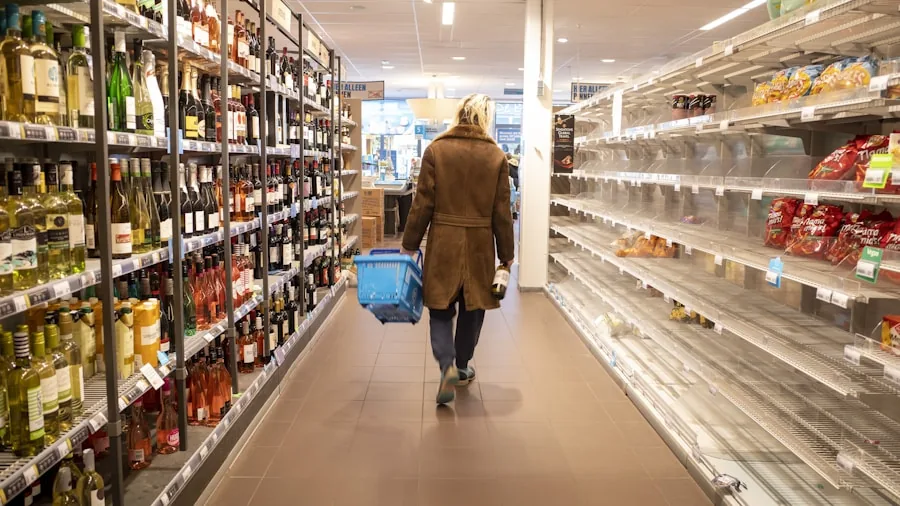
For years, American shoppers have enjoyed abundant, affordable food. But the pandemic changed that equation, pushing grocery costs higher across the industry. Now, a surprising force is reversing course: discount grocery chains are putting genuine pressure on prices, and competitors are scrambling to respond.
The Unexpected Disruptor in Grocery Retail
A German-owned discount grocery chain is executing one of the most significant competitive plays in modern retail by forcing traditional supermarkets to cut prices. With plans to expand to more than 3,000 locations by 2028, this chain would match or exceed every competitor except one major player. In 2024 alone, it generated nearly $29 billion in U.S. sales, demonstrating that American shoppers are hungry for genuinely lower prices.
The evidence is undeniable. When food reporters conducted months of price comparisons, they found this discount retailer either matched or undercut the nation’s biggest discount competitor on virtually every category. Meanwhile, established grocery chains like Wegmans and Kroger have publicly announced defensive price cuts. Research from late 2023 analyzing a similar German grocer showed that traditional grocery chains reduced their profit margins by approximately 7 percent in markets where the newcomer opened stores. This means real savings for shoppers, even as restaurant prices and other sectors continue climbing.
How Small Stores Beat Big Warehouse Giants
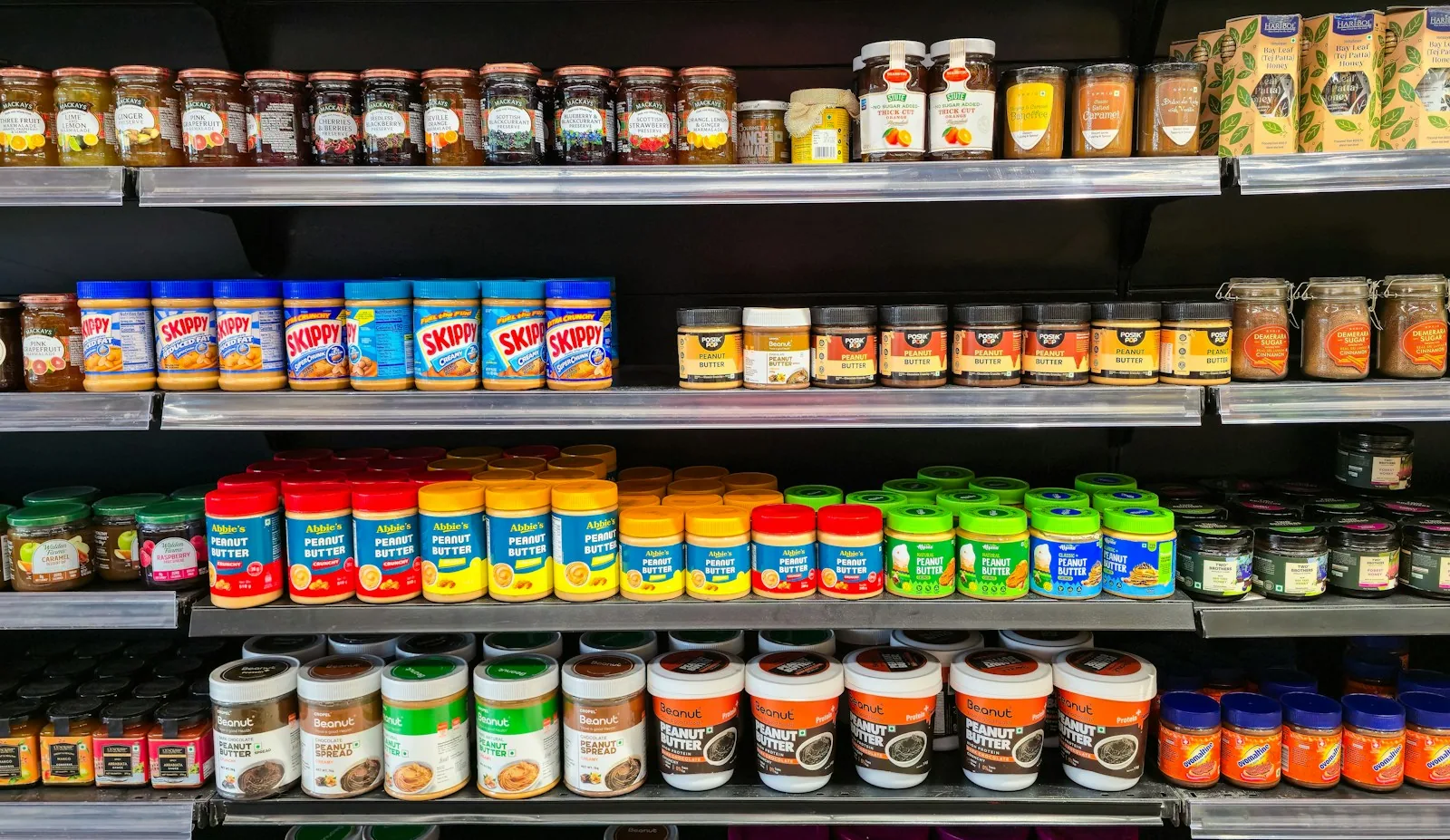
The puzzle seems unsolvable at first. Walmart and Costco offer low prices by leveraging massive scale, sprawling warehouse spaces, and economies that allow them to negotiate rock-bottom wholesale costs for everything from peanut butter to baby carrots. So how is a smaller chain matching or beating them without those advantages?
The answer lies in two deliberate strategic choices. First is the private-label strategy. Walk the aisles and you’ll find cookies that resemble famous brands, crackers that look identical to household names, and countless other lookalike products. These store-brand items cost significantly less because they bypass the manufacturer’s markup entirely. More than 80 percent of products on shelves are private-label versions, creating substantial savings without sacrificing quality.
Second is ruthless selection limits. When the company’s founders took over their family store in 1946, necessity became strategy. A small store with limited funds meant stocking only essentials and carrying just one version of each item rather than five varieties of the same product. This approach continues today. Customers find rice, eggs, and staple items at the lowest possible prices, but they won’t locate every single thing they need. The tradeoff is worth it: bulk buying reduces costs, limited inventory eliminates spoilage and waste, and smaller store footprints mean lower rent and real-estate expenses.
The Competitive Response from Major Retailers
Traditional grocery chains are now facing an uncomfortable choice: adapt or lose customers. Grocery prices remain a critical issue for American shoppers, making any chain that ignores this trend vulnerable. Wegmans, Kroger, and others have begun announcing price reductions and emphasizing value options.
The discount chain’s expansion creates an interesting dynamic. By intentionally locating stores near competitors, it forces traditional grocers to match prices on core items while those competitors still handle the specialty products shoppers need. This creates a natural shopping ecosystem where consumers visit multiple stores, but the presence of the discount option keeps everyone’s prices honest.
More Than Just Low Prices
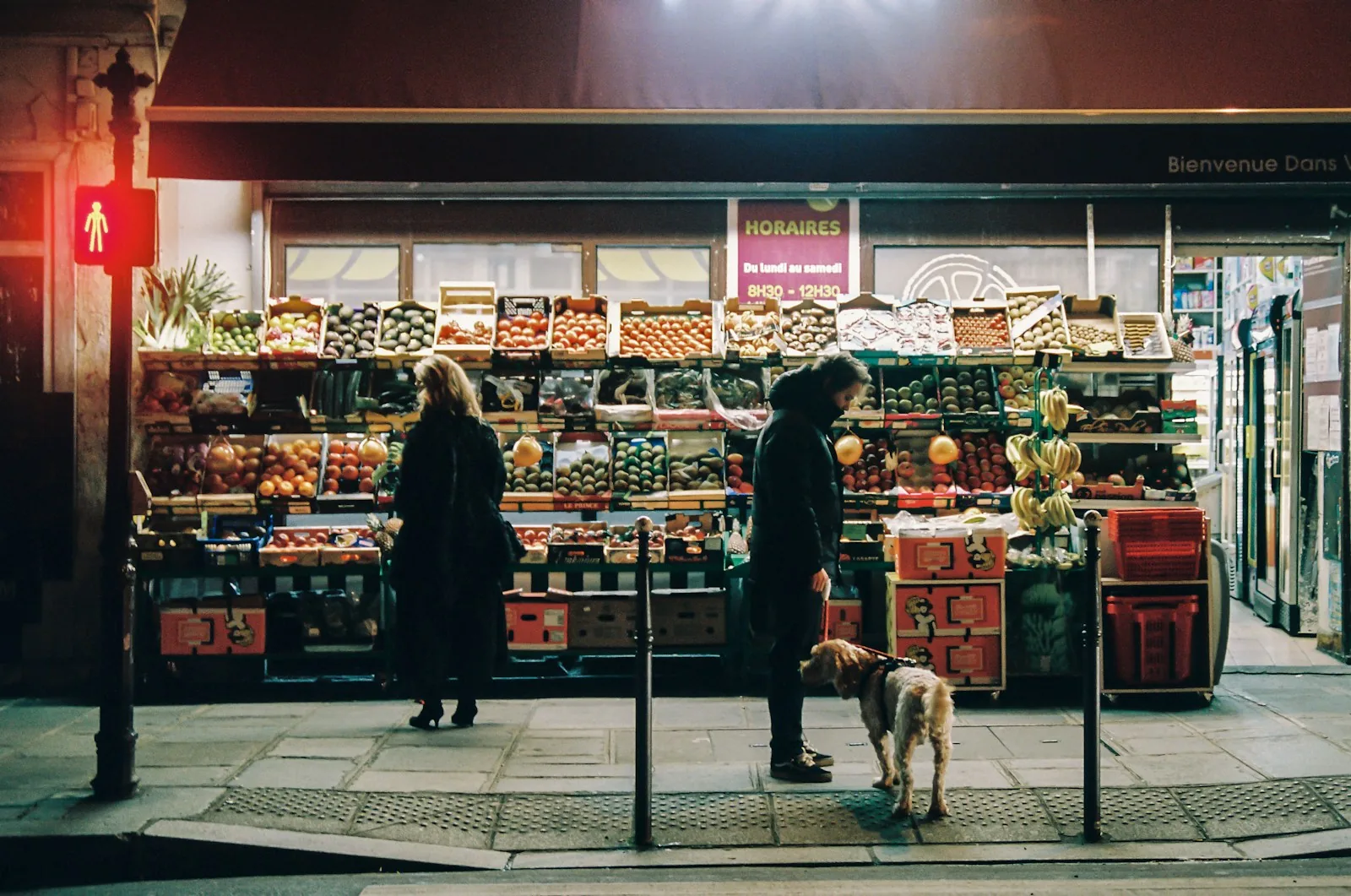
What makes this retailer truly disruptive goes beyond mere cost-cutting. The stores have developed a devoted following that rivals tech product enthusiasts. The middle aisles feature rotating limited-time offers of unexpected items, from seasonal decorations to imported foods, creating a treasure-hunt atmosphere. Recent store expansions have added premium options like higher-end honey crisp apples and quality wine selections, attracting middle and upper-income customers who initially viewed discount grocers as necessities rather than choices.
This isn’t about shopping somewhere shabby when money is tight anymore. Shoppers increasingly expect both value and quality in their retail experience, and this retailer delivers both. Customers line up for new store openings and speak about the brand with genuine enthusiasm.
What This Means for Your Grocery Bill
The broader implication is significant: the American food system can still deliver affordability when competitive pressure exists. Grocery retailers aren’t the villains in rising food costs. Rather, healthy market competition creates incentives for price competition and innovation. Finding the best food and grocery deals requires understanding where to shop and how different retailers compete on value.
As this discount retailer continues its aggressive expansion, traditional supermarkets will face mounting pressure to justify their prices and improve their value propositions. For shoppers, this competition means real savings on essential items and a potential return to the affordable food abundance that American consumers once took for granted.