Costco’s Grocery Momentum Is Reshaping Retail: What Shoppers Need to Know
A major retailer just made a powerful move that has traditional supermarkets watching closely. Costco reported its fourth consecutive quarter of improved comparable-store sales growth, signaling a significant shift in how Americans shop for groceries. During the latest quarter, the warehouse club achieved 7.2% comparable-store sales growth excluding fuel in the United States, continuing an upward trajectory that started earlier in the year. For everyday shoppers, this momentum means fresh food availability and pricing strategies are changing across the retail landscape.
Fresh Food Departments Lead the Charge
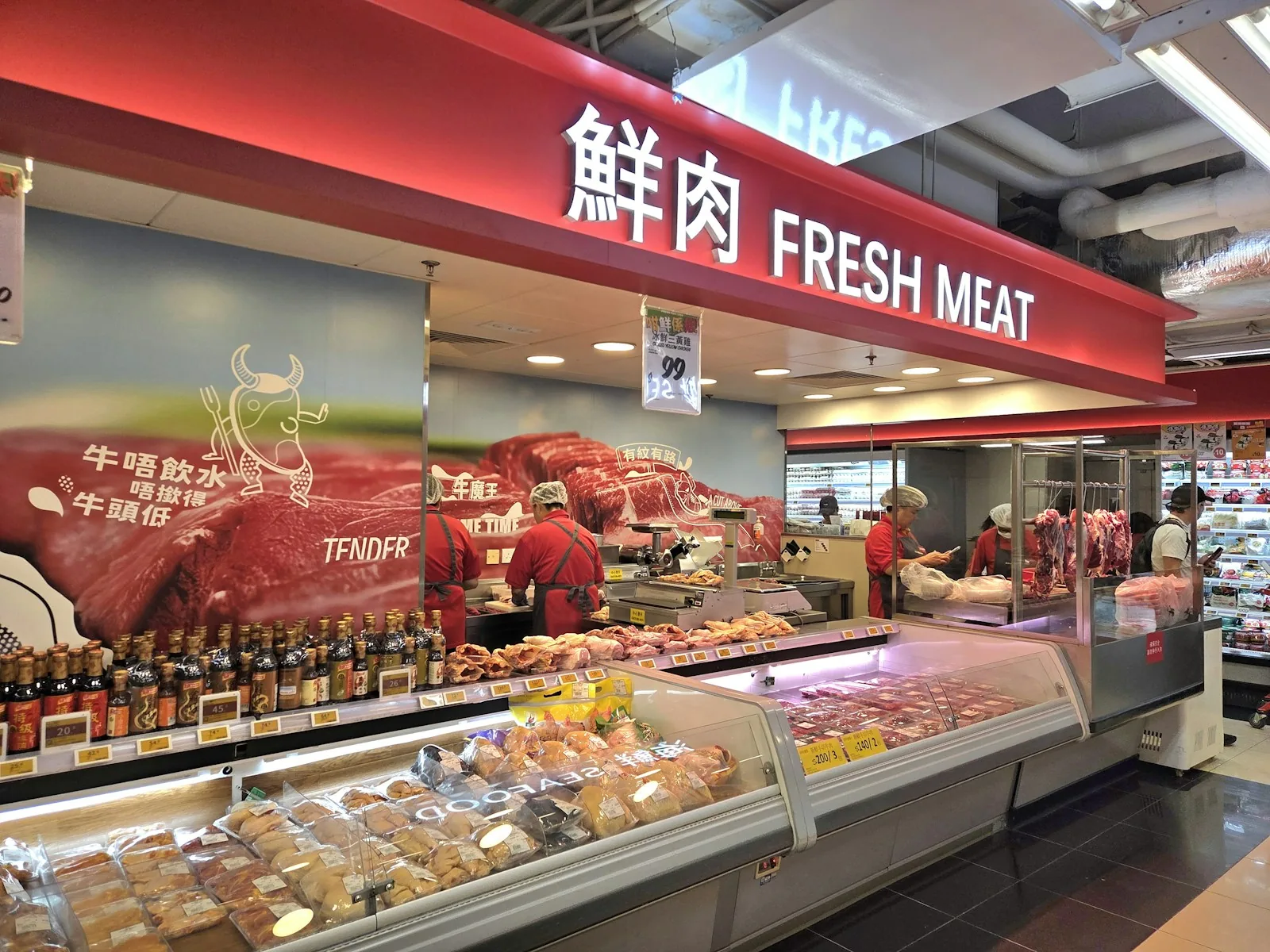
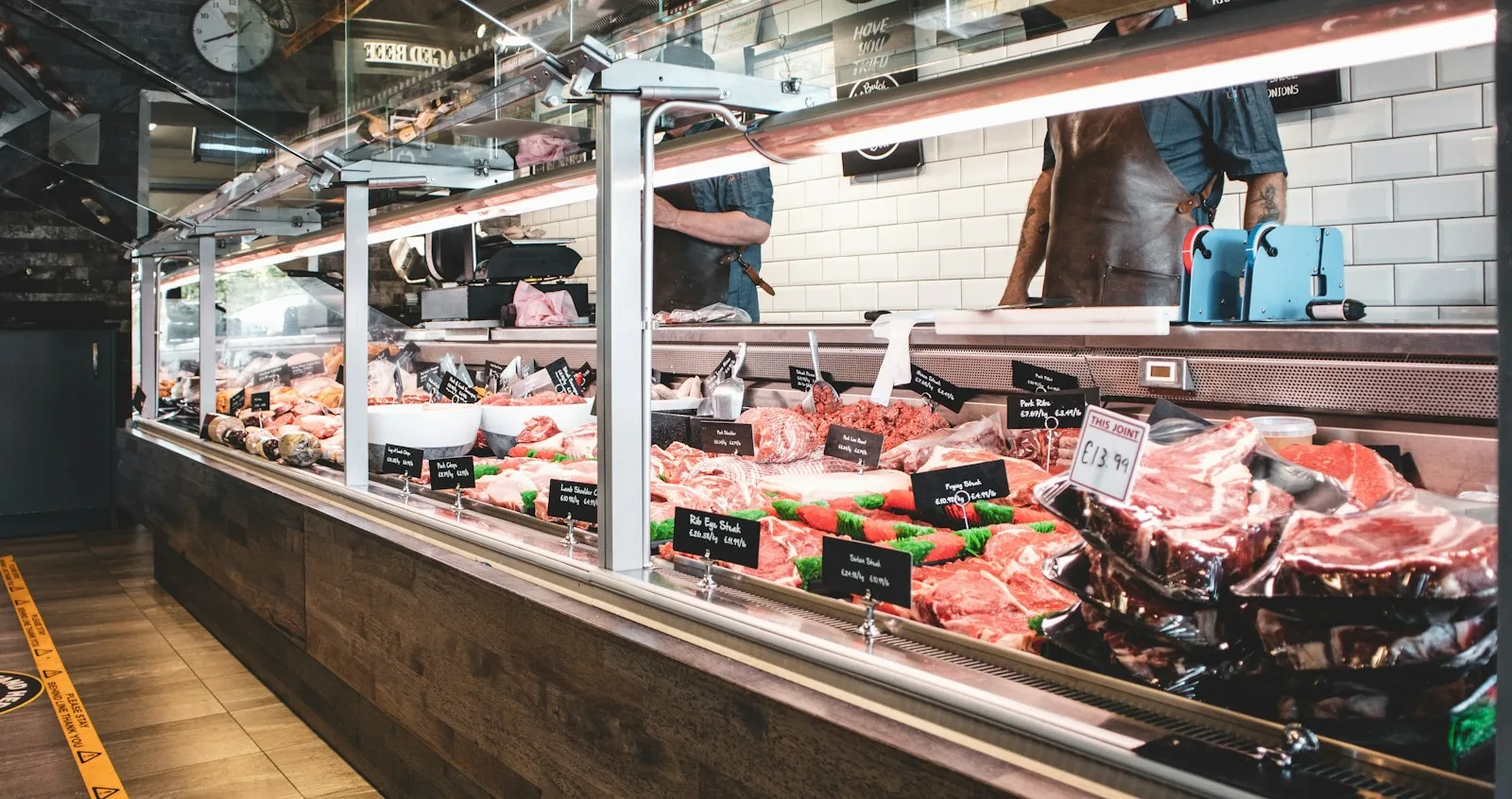
The bakery and meat departments emerged as standout performers for Costco during the quarter, with fresh food sales rising in the mid-single digits. What caught industry observers’ attention was the explosive growth in specific categories. The company’s in-house bakery business more than doubled sales during the period, reflecting strong consumer demand for fresh pastries and baked goods. Shoppers are increasingly choosing to purchase these items from club locations rather than traditional grocery stores, a trend that reshapes where families do their weekly shopping.
Meat and protein products have also captured significant customer interest. The retailer reported strong demand for premium protein items including meat snacks, sardines, canned tuna, and chicken. This preference for protein-focused shopping aligns with broader consumer interest in health-conscious eating. Additionally, customers showed enthusiasm for high-fiber foods like edamame and granola snacks, suggesting that shoppers are becoming more deliberate about nutritional value when making purchasing decisions at every deal category we track.
Price Reductions and Private Label Strategy

Beyond product selection, pricing strategies also shifted during this period. The retailer lowered prices on select private label items, including walnuts, Colombian whole bean coffee, and black pepper. According to company leadership, the overarching goal is to be the first to lower prices whenever opportunities emerge. This aggressive pricing approach puts pressure on traditional supermarket chains that have struggled to match such competitive moves while maintaining profitability. For shoppers, the takeaway is clear: expect more price competition across the grocery industry as retailers vie for market share.
The food and sundries category as a whole saw comparable-store sales rise in the low-to-mid single digits, driven primarily by packaged and frozen foods. Non-food categories performed even stronger, with mid-to-high single digit growth, indicating that shoppers are now viewing club membership as a one-stop destination beyond just groceries. This diversification of purchase categories strengthens the retailer’s competitive position against traditional supermarkets that lack similar product variety.
Digital Services and Convenience Innovations
Beyond physical store performance, digital initiatives are reshaping the retail experience. E-commerce sales surpassed $33 billion for the fiscal year and grew more than 20% during the quarter. Pharmacy services witnessed particularly strong growth of nearly 20%, driven largely by e-commerce transactions. Digital programs such as pay-ahead services and pickup lockers have helped the retailer offset federal payment reductions for certain medications under Medicare programs.
The addition of nationwide delivery through major platforms has made shopping even more accessible. These convenience enhancements mean that shoppers no longer need to visit a physical location to access many products and services, a significant advantage over traditional retailers still building their digital infrastructure. As five new retailer store concepts launched in 2026, the warehouse club model continues to influence how the entire retail sector approaches customer engagement.
What This Means for Your Shopping Habits
The ripple effects of this retailer’s success extend throughout the grocery industry. When a major player gains this much momentum, competitors must adapt or risk losing customers. Traditional supermarket chains are being forced to reconsider their pricing strategies, product selection, and digital offerings. For shoppers, this competition creates opportunities: more aggressive pricing, better digital conveniences, and greater focus on premium fresh foods.
Membership-based shopping models are now demonstrating their long-term viability and appeal. The retailer’s expansion continues, with new store locations opening regularly. Fuel operations also performed exceptionally well, with comparable-store sales up more than 30%, driven by higher prices and record customer volumes. All-time highs in fuel station usage among members indicate that shoppers are consolidating their trips and viewing membership benefits across multiple categories.
This retail evolution represents a fundamental shift in American grocery shopping. Traditional supermarkets that fail to adapt their fresh food offerings, pricing strategies, and digital capabilities risk continued market share losses. Shoppers, meanwhile, benefit from this competition through better prices, fresher products, and more convenient shopping options across channels.