How Retailers Are Using Smart Inventory Management to Survive Extreme Weather
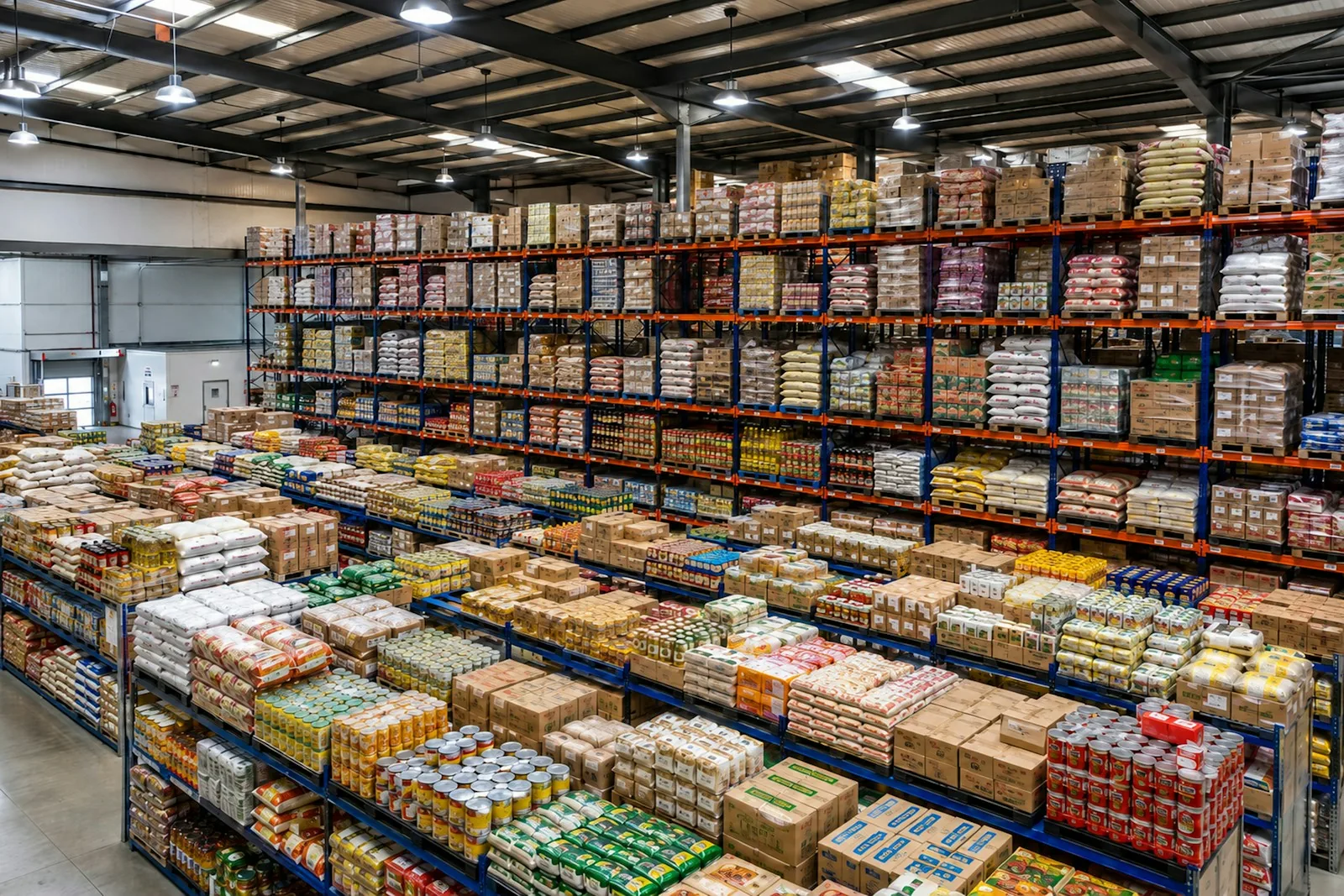
Weather events like El Niño can disrupt supply chains and leave retailers scrambling to keep shelves stocked or avoid being overstocked with merchandise nobody wants. But some of the nation’s largest off-price retailers have found a way to turn unpredictable conditions into a competitive advantage by rethinking how inventory flows through their distribution networks.
The Strategy Behind Weather-Resilient Retail
During a recent earnings presentation, leadership at TJX Companies explained how their warehouse distribution approach provides a buffer against climate-related disruptions. Rather than pushing all incoming merchandise directly to stores on a fixed schedule, the retailer holds inventory at regional distribution centers and releases it strategically based on real-time demand signals and weather forecasts.
This method, known as the hold-and-flow or staged model, gives retailers unprecedented flexibility. When a region faces unusual weather patterns, a retailer can pause shipments to affected locations and redirect inventory elsewhere, or wait until conditions stabilize. Meanwhile, items continue to move from distribution centers to stores based on actual customer buying patterns and seasonal adjustments.
How This Differs From Traditional Retail
Most conventional brick-and-mortar retailers operate under a different system. Their merchandise arrives at a warehouse and must move to individual stores within days, typically through what supply chain experts call the flow-through or cross-dock model. This approach minimizes warehouse holding costs but eliminates the ability to pause or redirect shipments in response to unexpected events.
The difference becomes clear during weather emergencies. A traditional retailer facing an unexpected cold snap or flooding in a region cannot easily pull back inventory. An off-price retailer using the staged model can do exactly that, keeping goods safe at the distribution center while monitoring conditions and customer behavior.
Some retailers now blend both strategies, using flow-through for predictable, fast-moving basics and the staged model for seasonal or trend-sensitive merchandise. This hybrid approach allows them to balance efficiency with adaptability across every deal category we track and merchandise type.
What This Means for Shoppers
The practical benefit for consumers is more consistent availability and better-matched inventory. When a retailer can see that unseasonable rain is heading to a region, it can hold warm clothing in the distribution center instead of flooding stores with inventory that won’t sell. Once conditions clear or demand picks up, merchandise arrives fresher and more aligned with actual customer needs.
This responsiveness extends beyond weather. Retailers using the staged model can react to supply disruptions, manufacturing delays, or sudden shifts in consumer preferences. They can pull back merchandise that is not selling and push faster-moving items to stores where demand is highest.
For budget-conscious shoppers, the improved inventory management at Sam’s Club and similar retailers learning from shopper feedback means less markdown chaos. When merchandise is better timed to actual demand, retailers don’t need massive clearance events to move unwanted stock, which can ultimately affect pricing and selection.
The Complexity of Supply Chain Strategy
Industry experts note that there is no universally perfect distribution model. The best approach depends on the type of merchandise and its predictability. Seasonal items, high fashion, and trend-driven products benefit from the flexibility of the staged model. Everyday essentials that move at consistent rates are better suited to the faster flow-through approach.
Retailers are also increasingly aware that retailers struggle with technology challenges as they modernize their operations, making the coordination of complex distribution models more important than ever. A retailer’s planning team must be highly skilled at interpreting weather data, sales trends, and logistical constraints simultaneously.
Why This Matters Now
Climate patterns are becoming more variable and extreme. El Niño, atmospheric rivers, and unpredictable seasonal shifts create supply chain risks that a retailer cannot ignore. Companies that can absorb these shocks without running out of inventory or being stuck with unwanted merchandise have a real edge.
The staged inventory model is not new, but its value is becoming more apparent as environmental unpredictability increases. Retailers investing in smarter distribution systems and planning teams are positioning themselves to serve customers better during whatever weather or market conditions arrive next.
For shoppers, the message is clear: the retailers who thrive in uncertain times are those who treat their distribution networks as a strategic advantage, not just a cost center. The result is better product availability, more thoughtful inventory assortment, and fewer of the supply-related frustrations that can derail the shopping experience.