Target Retailer Transforms Grocery Strategy: What Shoppers Should Know
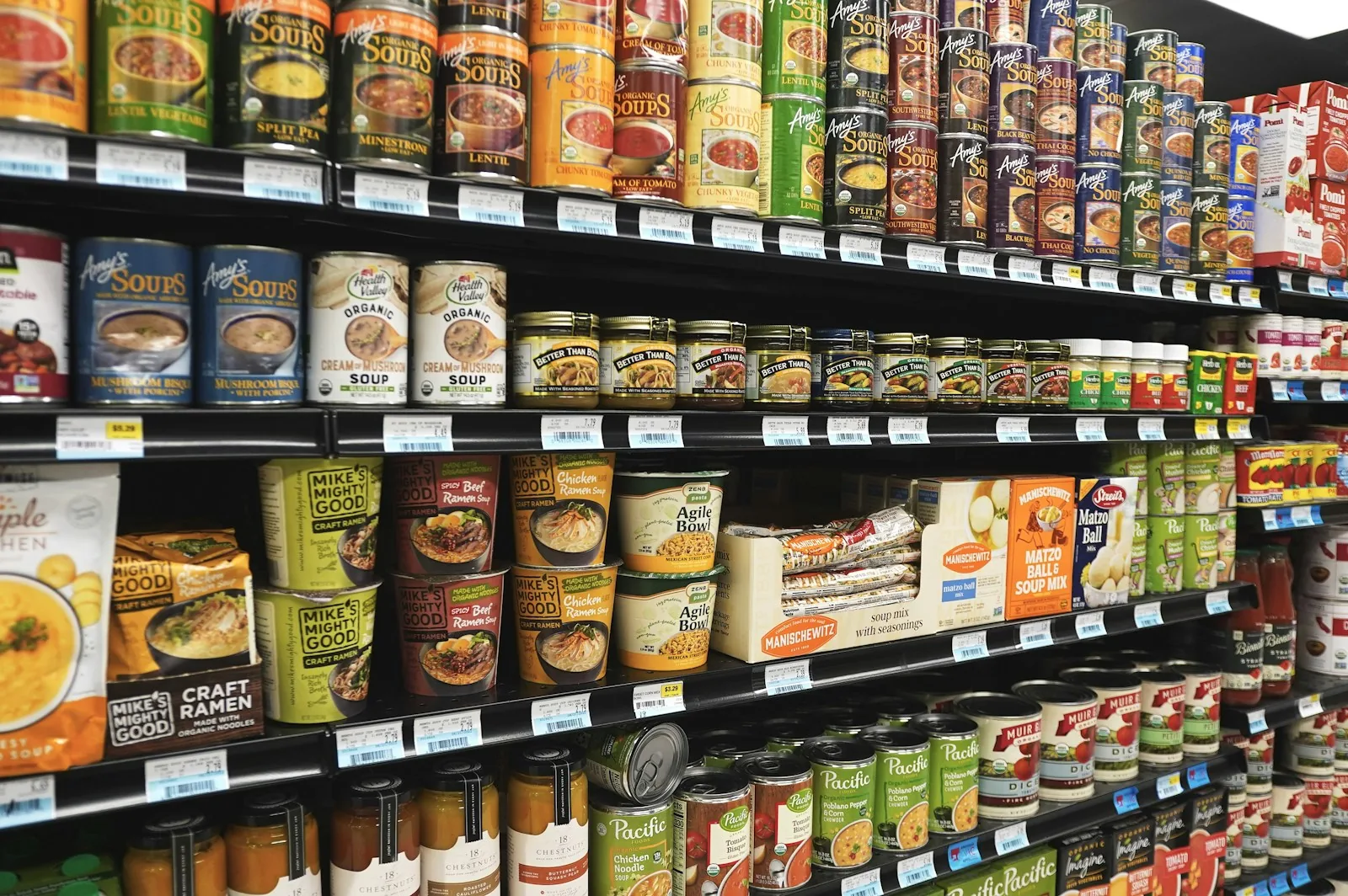
Target is making a bold shift in how it approaches grocery shopping, positioning its food and beverage department as a destination for discovery and style rather than simply a convenience section. The retailer is fundamentally rethinking its grocery business model to compete on quality and trendiness instead of sheer selection, which has major implications for how shoppers experience their visits and what products they will find on shelves.
The Speed of Change in Food Retail
The grocery world is moving faster than ever. According to retail experts speaking at recent industry conferences, consumers are becoming increasingly selective about their food choices, and medications designed to reduce appetite have accelerated existing trends toward eating less while demanding more from every bite. Shoppers now ask themselves whether a product is truly worth purchasing, putting pressure on retailers to offer compelling reasons to add items to their carts.
This shift is fundamentally changing how a major retailer like Target builds and manages its grocery assortment. Rather than competing on having the widest selection across every deal category we track, Target is pursuing what its leadership calls a “coolest assortment” strategy, focusing on carefully curated selections that reflect current trends and emerging consumer preferences.
Target’s New Grocery Playbook
Target’s senior leadership has revealed that the company spent the past decade making food a more central part of its overall business identity. The focus is shifting from treating groceries as an afterthought to positioning them as a key part of what makes a Target visit unique and exciting.
This year, Target has introduced 50 percent more new products compared to the previous year and is positioning itself as a launch destination for founder-led and emerging food brands. The company is moving beyond traditional grocery categories, blending influences from wellness, beauty, beverages, and fashion to identify what shoppers actually want next. A partnership with Chobani on a limited-edition ube-flavored coffee creamer exemplifies this approach. The product was marketed similarly to a sneaker release, generating so much interest that it became the most-searched item on Target.com for an entire week, an unusual achievement for a coffee creamer.
The key principle guiding these decisions is offering quality at a fair price. As consumers remain financially cautious, they expect products that taste good, remain affordable, feel approachable, and deliver genuine value. Wellness-focused products are important, but Target recognizes that “better for you” items must also be enjoyable to consume and accessible to ordinary shoppers.
Why Speed and Trends Matter
Traditional product development timelines that once stretched two or three years are now being compressed to six to nine months. This acceleration allows Target to stay ahead of rapidly shifting consumer preferences and avoid being caught off guard when trends change.
To identify these shifts quickly, Target uses social media listening, internal trend analysis teams, and direct conversations with emerging brands and influencers. Food trends increasingly cross traditional category boundaries, requiring retailers to think beyond conventional grocery sections. What starts as a wellness trend might merge with beauty or fashion influences, creating unexpected product opportunities.
This pressure to move faster and stay current reflects broader challenges facing retailers managing rising costs and competitive pressures. By focusing on emerging brands and curated selections, Target aims to differentiate itself in a crowded marketplace.
What This Means for Shoppers
For consumers, Target’s grocery transformation could mean discovering new and innovative products more quickly than at traditional supermarkets. The emphasis on emerging founder-led brands gives independent and smaller companies a platform to reach shoppers who actively seek novelty and quality.
The strategic emphasis on “best assortment” over “biggest assortment” suggests shoppers will encounter a more thoughtfully organized selection. Rather than facing overwhelming options across every category, Target customers should expect products chosen specifically to reflect what the retailer believes shoppers actually want, with an emphasis on both health-conscious and indulgent options that maintain quality standards.
Additionally, shoppers can expect to see trending products and limited-time offerings more frequently, as the retailer accelerates its product development cycles. Those seeking healthier options, new brands, or foods that combine wellness with genuine flavor and affordability will likely find Target an increasingly compelling grocery destination.
As retailers nationwide grapple with cost pressures and evolving consumer expectations, Target’s strategy of focusing on curated quality and rapid trend response offers a distinct approach to competing in modern grocery retail.