Target’s Korean Beauty Expansion: What This Means for Your Shopping Options
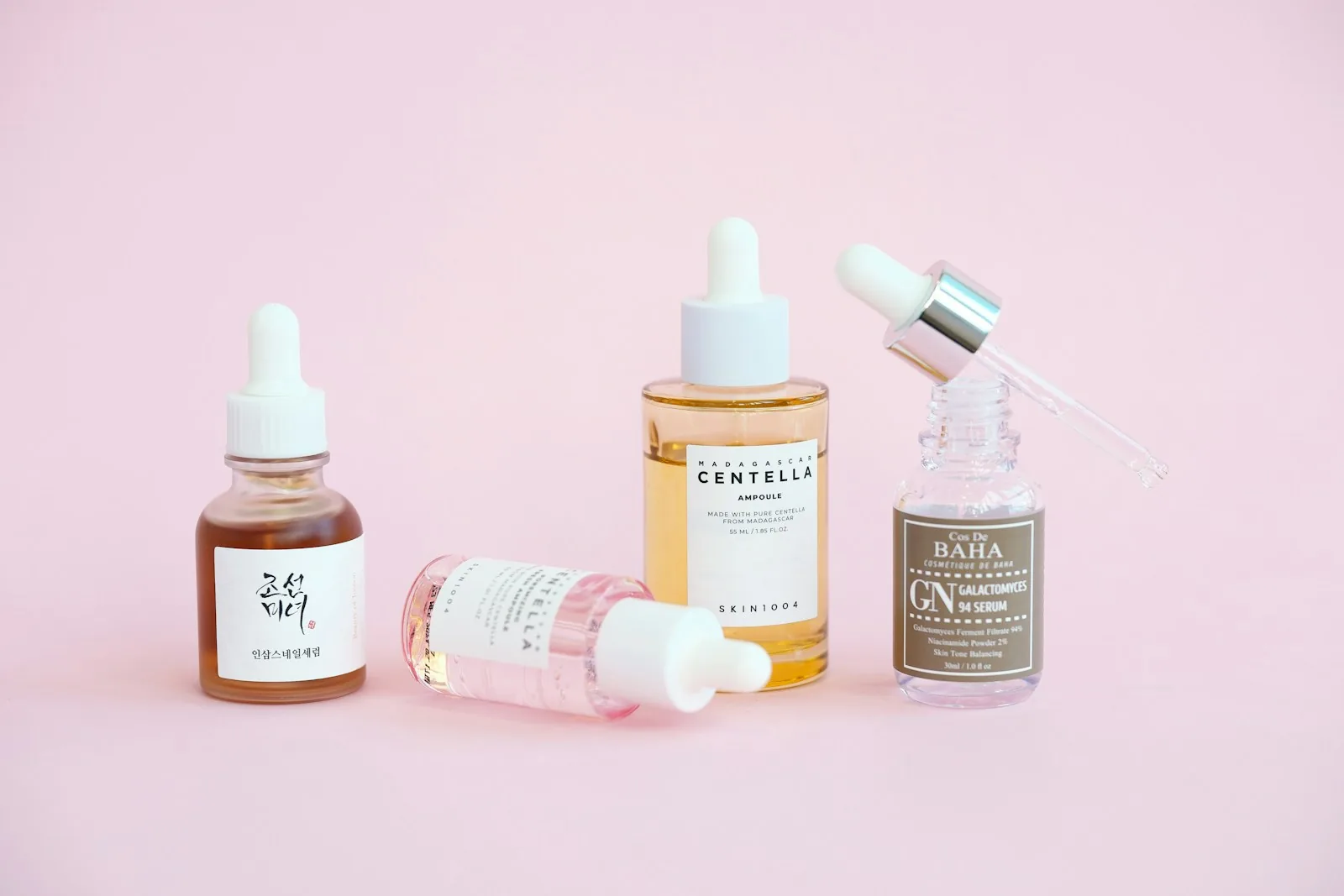
Target has made a significant move in the beauty market by dramatically expanding its selection of Korean cosmetics and skincare products. The retailer quadrupled its K-beauty assortment this year, introducing more than 150 new products from over 10 brands across skincare, makeup, and hair care categories. This shift marks a turning point in how mainstream retailers approach Korean beauty products, moving them beyond specialty-only environments.
The launch of Target Beauty Studio replaced the former Ulta Beauty shop-in-shop concept and now features more than 1,600 products from 90 brands, with the vast majority being new to Target. The new beauty section includes six K-beauty lines specifically highlighted in the launch, with five of them being new to the retailer entirely. Featured brands include Amuse, Kaja, Rom&nd, Dr. Melaxin, Purito Seoul, and Sungboon Editor, alongside additional Korean-owned or Korean-founded brands such as Aromatica and Voesh.
Why This Matters for Shoppers
The expanded Korean beauty presence at Target signals that K-beauty is no longer treated as a temporary trend but as a legitimate category with staying power. Consumers interested in Korean cosmetics no longer need to visit specialty retailers exclusively. Instead, they can discover and purchase these products during regular shopping trips at Target, making K-beauty more accessible to everyday consumers who may not have visited dedicated beauty stores.
Target’s decision to bring in these brands also reflects broader retail shifts. Both Ulta and Sephora have added K-beauty selections in recent years, with Ulta adding 13 brands last year and Sephora launching 19 Korean brands through a partnership with Olive Young, a major South Korean beauty retailer. However, Target’s approach democratizes access by bringing these products into a mass-market environment where customers already shop for groceries and household items.
What Brands Are Saying
According to representatives from several K-beauty brands, the decision to enter Target represents a strategic shift. Leaders of these companies explain that while specialty retailers like Ulta and Sephora remain important, Target offers access to a different consumer base. One distributor noted that Korean brands typically focus on these specialty channels but are now considering the broader U.S. retail landscape, including drugstores and national grocery chains.
Brand executives emphasize that this expansion is about more than social media virality. It requires operational readiness, inventory management, price control, and marketing strategies specifically designed for the American mass-market consumer. Several brands developed their Target assortments with specific customer needs in mind, curating product selections that would appeal to Target’s diverse shopper base.
The Broader Retail Landscape
This expansion reflects how Korean beauty has evolved in the global market. What began with sheet masks and multi-step skincare routines has matured into a comprehensive approach to beauty innovation spanning all categories. Korean brands have demonstrated expertise not just in skincare but also in makeup formulations, application tools, and hair care products. Understanding major retailer moves like this one helps shoppers stay informed about where and how to find products they want.
The success of brands at Target also opens doors for future expansion. Beauty industry professionals predict that many Korean brands will enter additional major U.S. retail channels within the next two years as they gain confidence in the American market and build operational capabilities to support broader distribution.
What About Diversity in Beauty Retail
While Target’s K-beauty expansion represents significant growth, the new Beauty Studio lineup includes very few brands with Black ownership or founding teams. Only two Black-owned brands were identified in the new 90-brand assortment, highlighting an ongoing diversity gap in the broader beauty retail space that extends beyond Target itself.
Target has stated that the Beauty Studio assortment will not remain static. The retailer plans to regularly add new brands and products based on customer interests, emerging trends, and innovations in beauty. This ongoing evolution means shoppers should expect the selection to change and expand over time as the retailer responds to customer preferences.
For consumers, Target’s Korean beauty investment means easier access to trending products at competitive prices. Whether you’re an experienced K-beauty enthusiast or someone curious about Korean skincare and makeup for the first time, you now have the opportunity to explore and experiment during your regular Target visits. The expansion also signals that Korean beauty innovation will continue to influence mainstream retail offerings across every deal category we track.