Kroger’s Multiyear Price Battle: What Shoppers Should Expect

Kroger is on a mission to become America’s favorite grocer, and at the center of that strategy is a fundamental shift in how the retailer approaches pricing. During a recent earnings call, CEO Greg Foran made it clear that the path to more affordable groceries isn’t a short-term sprint but a multiyear commitment. For shoppers trying to manage their budgets in an increasingly expensive retail environment, understanding this strategy matters.
The Cost-Cutting Strategy Behind Lower Prices
Kroger’s approach to reducing shelf prices involves a comprehensive cost management program. The retailer is targeting efficiency gains across multiple areas: cost of goods sold, imports, goods not for resale, operational reductions, and headcount optimization. The key insight is that Foran has emphasized every dollar saved internally becomes a dollar the retailer can reinvest in customer-facing benefits, primarily through lower prices.
In the most recent quarter, Kroger already reported that sourcing and savings came in ahead of schedule. However, executives acknowledge that significant work remains in sourcing, procurement, productivity, and simplification. This staged approach means shoppers shouldn’t expect dramatic overnight price drops but rather a gradual improvement over the coming months and years.
Early Signs of Progress Are Showing
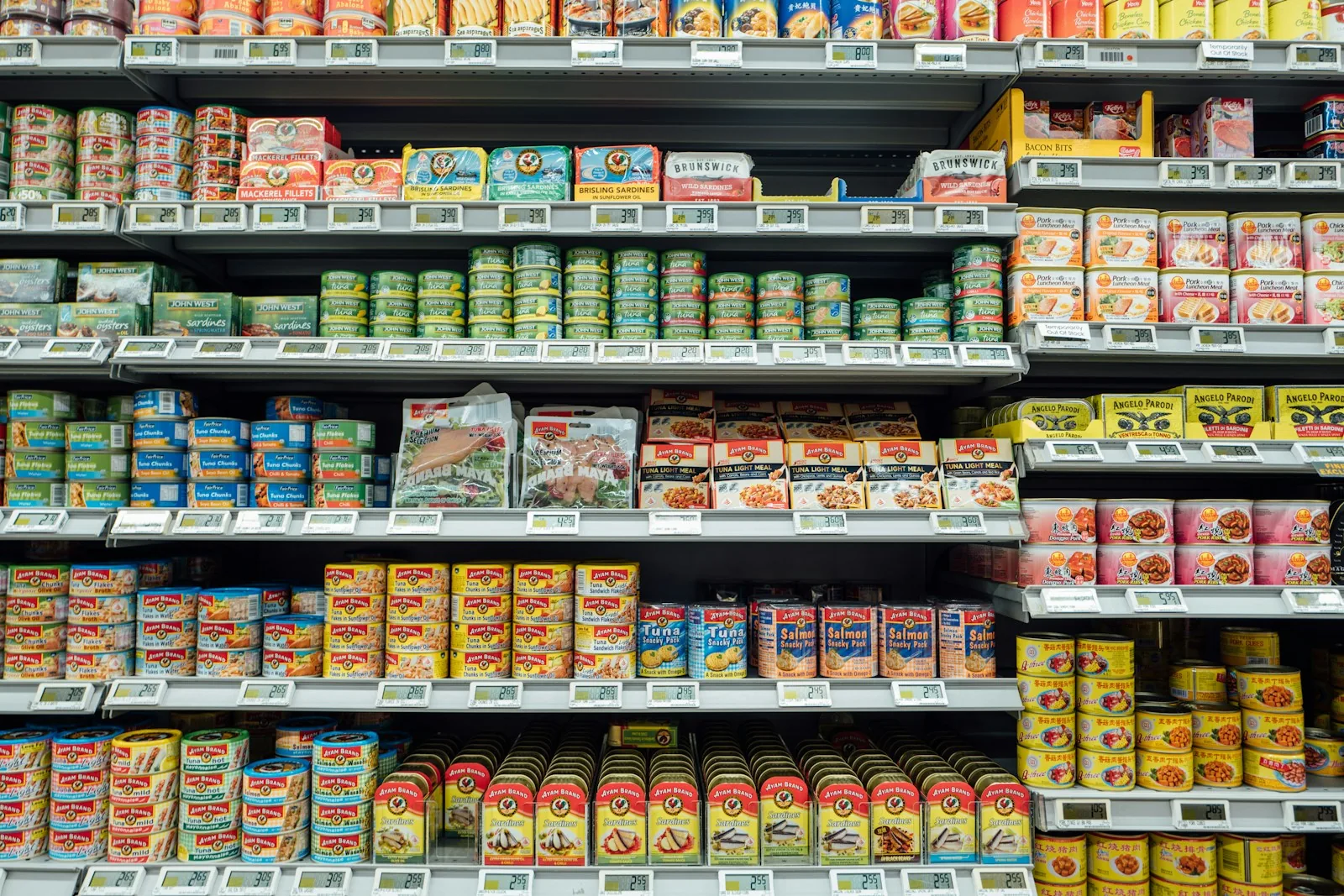
Despite being early in this multiyear initiative, Kroger is already delivering measurable results. During the second quarter, the retailer reached an all-time high in on-shelf availability, meaning customers encountered fewer empty shelves and out-of-stock situations. Additionally, pickup orders hit record levels, suggesting that shoppers are increasingly confident in the retailer’s service quality.
Foran also noted that Kroger’s pricing on private label products has improved compared to certain competitors over the past quarter. Private label items typically represent some of the best value opportunities for budget-conscious shoppers, so this development is particularly relevant for those watching every deal category we track.
Merchandising and Customer Engagement Matter
Beyond cost reduction, Kroger is reshaping how it engages with customer preferences. The grocer has observed strong demand for natural and organic products and responded by introducing over 600 new items in those categories. This expansion signals that the retailer isn’t just cutting costs blindly; it’s also responding to what shoppers actually want to buy.
Health and wellness accessibility is another priority. In August, Kroger launched a new grocery and prescription delivery service in partnership with Instacart, reducing friction for customers who want convenience without sacrificing value. These moves show that the retailer understands modern shoppers want both affordability and service quality.
Geographic Flexibility in Promotional Strategy
One aspect of Kroger’s plan that directly affects what you pay involves rethinking how promotions work. Rather than applying a one-size-fits-all promotional strategy across the entire chain, Kroger is customizing its approach by geography. This means that regional pricing and promotional intensity can reflect local market conditions and competitive dynamics.
Foran emphasized that this geographic customization is already underway and generating encouraging results. For shoppers, this translates to potentially more relevant deals tailored to their specific market rather than generic company-wide promotions that may not address local competitive pressures.
Why a Multiyear Timeline Matters for Your Wallet
The explicit statement that price reduction is a multiyear program, not a one-year or one-quarter initiative, sets realistic expectations. Grocery retail operates on thin profit margins, so sustainable price improvements require fundamental operational changes rather than temporary markdowns that erode profitability.
Foran’s commitment to making the business sustainable for both customers and shareholders suggests Kroger is prioritizing long-term competitive positioning over short-term earnings manipulation. For shoppers, this means the savings being promised are intended to stick around.
What This Means for Your Shopping Experience
The combination of cost management, operational improvements, and customer-focused initiatives suggests several benefits ahead. You can expect gradual reductions in shelf prices, particularly on private label goods. On-shelf availability should remain strong or improve further, reducing frustration when your preferred items are missing. Service innovations like same-day delivery with prescription fulfillment will continue expanding.
However, patience is required. Kroger’s leadership is signaling that this transformation unfolds over multiple years, not months. Shoppers who are currently price-sensitive should continue comparing options and using loyalty programs, but the overall trajectory appears favorable.
Understanding that major retailers like Kroger are undertaking significant operational restructuring helps contextualize why some improvements arrive gradually. The retailer’s willingness to discuss this multiyear commitment openly suggests confidence in its execution capability and genuine commitment to affordability as a strategic priority rather than a temporary response to competitive pressure.