Toys R Us Opens 120 New Stores This Holiday Season What Shoppers Need to Know
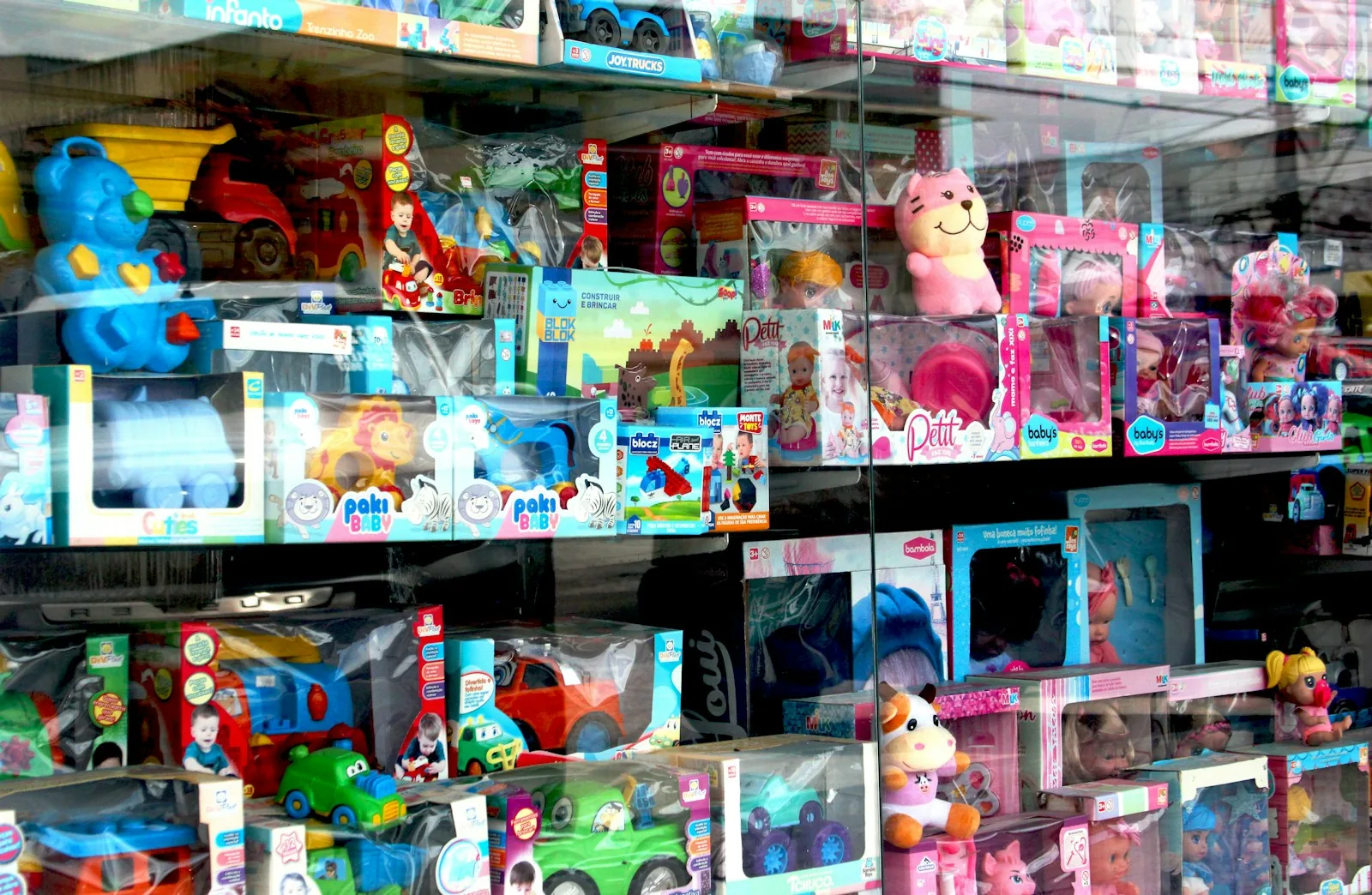
Toys R Us is making a bold comeback with a massive retail expansion. The toy retailer announced plans to open 120 new stand-alone stores across the United States in time for the holiday shopping season. This marks a significant shift toward physical retail locations as the company continues its recovery and growth in the competitive toy market.
The expansion, developed in partnership with Go Retail Group, will bring the total number of Toys R Us stand-alone locations to 160 stores. This represents one of the largest retail pushes the company has undertaken since its resurgence following its bankruptcy filing in 2017. The new stores are timed strategically to capture holiday shoppers searching for toys, games, collectibles and gifts during peak buying season.
What the New Stores Offer Shoppers
The newly opened locations will feature carefully curated selections from major toy brands including Lego, Barbie, Pokemon and other popular product lines. Beyond traditional toy inventory, select locations will include additional attractions designed to enhance the shopping experience. Some stores will house Creator Studios, dedicated spaces where influencers and toy brand partners can produce content, bringing a modern entertainment element to the retail environment. Other locations will feature in-store candy shops and cafes, transforming the toy retailer into more of a destination experience rather than a simple transaction point.
These amenities reflect a broader retail trend where brick-and-mortar stores compete with online shopping by offering experiences that cannot be replicated through e-commerce. By combining shopping with content creation spaces and food services, Toys R Us is attempting to make visits to their physical locations more appealing to both children and parents.
Multi-Channel Retail Strategy

The 120 new stand-alone stores represent just one component of Toys R Us’s retail presence. The company also maintains shop-in-shop locations within Macy’s department stores nationwide, bringing toy products to shoppers who may not visit a dedicated toy retailer. Additionally, the company operates smaller shop-in-shop concepts at airports and through the Navy Exchange Service Command, ensuring accessibility for military families and travelers.
Recent additions to this network include a shop-in-shop location that opened at Orlando International Airport in August, with another airport location planned to launch next summer. This diversified approach helps the retailer capture sales across every deal category we track and reach customers in multiple shopping environments. Whether shoppers are browsing a major retailer launching campaigns or passing through an airport, the company is positioning itself to be accessible.
What This Means for Consumers
The rapid expansion of Toys R Us locations benefits holiday shoppers in several meaningful ways. First, increased store availability means easier access to in-stock inventory during the busy holiday season. Rather than relying solely on online ordering and shipping, shoppers can visit physical locations to see products firsthand, test items and make immediate purchases without waiting for delivery.
Second, the company’s focus on experience-driven retail, such as Creator Studios and in-store cafes, positions toy shopping as an outing rather than a chore. Families can spend time at these locations, discover new products and enjoy entertainment value beyond traditional retail. Third, the multi-channel strategy ensures that Toys R Us products are accessible through numerous shopping formats, giving consumers flexibility in how they prefer to shop.
A Remarkable Recovery Story
This expansion demonstrates the remarkable turnaround of a company that seemed destined for permanent closure. After filing for Chapter 11 bankruptcy in 2017 and liquidating all U.S. operations by 2018, Toys R Us reemerged under new ownership through brand management company WHP Global in 2021. WHP Global has successfully rebuilt the brand and its retail footprint while also owning other consumer brands like Express, Marc Jacobs, Bonobos and Anne Klein.
The decision to aggressively expand physical locations during a period when many retail security concerns affect how consumers shop shows confidence in the brand’s future. While last year’s expansion added over 30 locations including flagships and seasonal shops, the current plan to open 120 stores represents a substantially larger commitment to brick-and-mortar retail. This confidence signals that the company sees sustained demand for its products and believes families will continue visiting physical toy stores during the holiday season and beyond.
For shoppers, this expansion means more convenient access to quality toys and collectibles, enhanced shopping experiences through added amenities, and continued growth of a retailer that was once thought to be extinct in the U.S. market.