Online Eyewear Retailer Expands Manufacturing to Speed Up Delivery and Selection
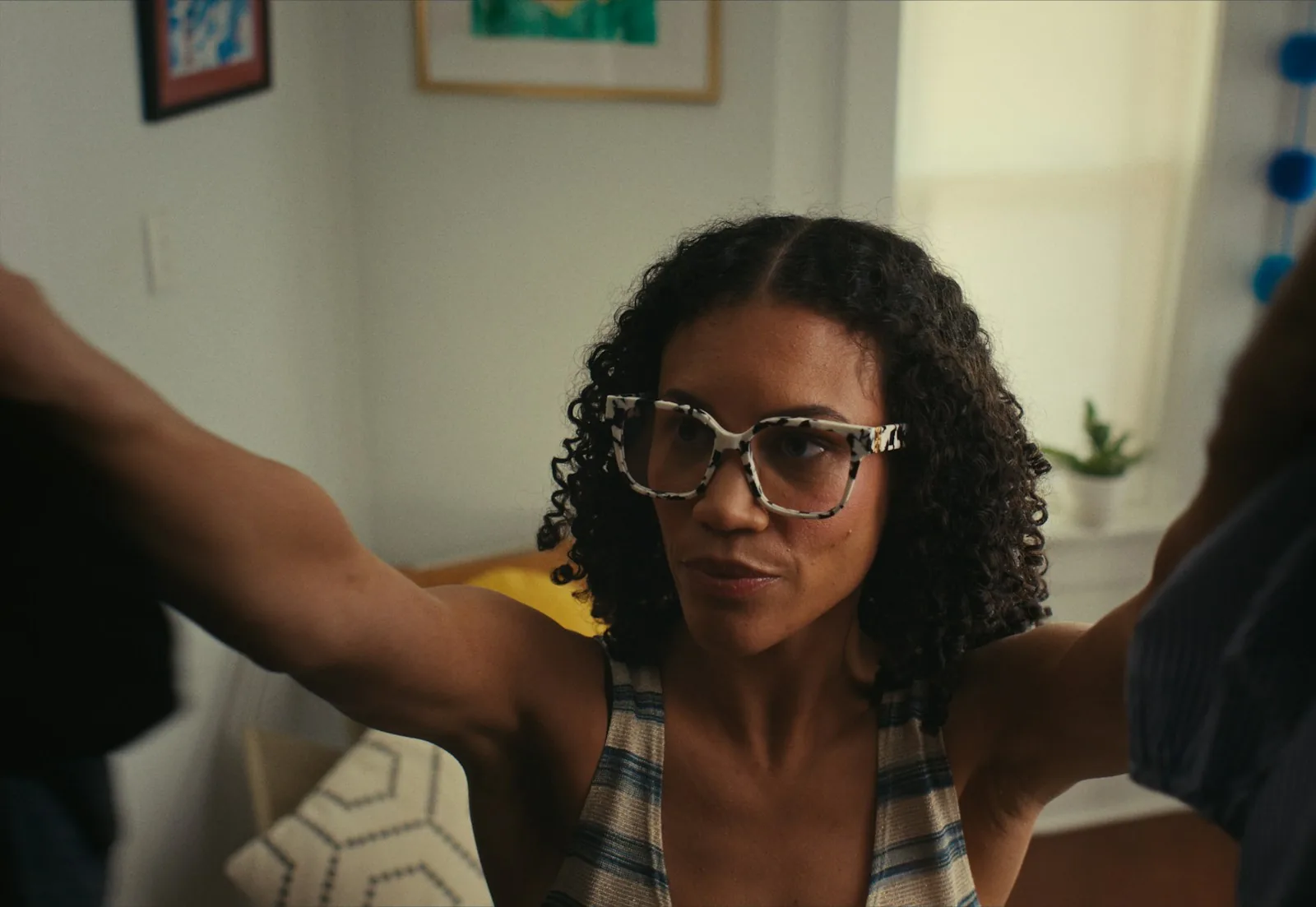
The eyewear shopping landscape is shifting dramatically. What was once a category dominated by brick-and-mortar opticians is now a thriving digital marketplace, with shoppers increasingly confident buying prescription glasses online. For consumers, this evolution means faster delivery, better fit technology and a wider range of styles to choose from, all without leaving home.
The Maturation of Online Eyewear
Just a few years ago, online eyewear purchases represented a small fraction of the total market. Today, estimates suggest roughly 15% of all prescription eyewear sales happen digitally, and that number continues to climb. This shift reflects growing consumer comfort with entering prescriptions online, trusting virtual try-on tools and relying on digital services for something as personal as eyeglasses.
Behind this confidence is real investment in infrastructure. Retailers now offer prescription support from trained specialists, AI-powered virtual try-on experiences, home try-on options and expedited shipping. The combination of improved technology and better customer service has made buying glasses online feel trustworthy and convenient, unlike the early days of e-commerce when skepticism ran high.
How One Major Retailer is Winning
A major player in the online eyewear space recently reported 30% year-over-year growth, signaling strong momentum in the category. The company’s success stems from a strategy called vertical integration, which means controlling as many steps of the supply chain as possible. Rather than relying on outside manufacturers and distributors, this retailer is investing in its own manufacturing and logistics, allowing it to move faster and maintain quality control.
The retailer operates multiple brands under one corporate umbrella, each targeting different customer segments. One brand focuses on prescription eyewear through a direct-to-consumer model. Another brand specializes in luxury frames from designers like Prada and Gucci, bringing high-end eyewear into a digital format where it was previously sold only in boutiques. A third brand caters to Gen Z consumers seeking fashionable sunglasses for lifestyle and social settings. This multi-brand approach lets the retailer capture value across the entire market spectrum.
AI and the Future of Shopping for Glasses
Artificial intelligence is reshaping how customers find eyewear. With more than 10,000 frames available through a single online store, a digital stylist powered by AI can help shoppers narrow down options based on face shape, personal style and prescription needs. This reduces decision fatigue and improves the likelihood of finding frames the customer will actually wear and love.
Beyond the shopping floor, AI supports customer service teams by answering questions about prescriptions, lens options and product details. Behind the scenes, retailers use AI to forecast demand, optimize product development and create more personalized marketing. Looking ahead, some retailers are exploring agentic commerce solutions that could let customers describe their needs in natural language and have AI handle the entire discovery and purchase process with minimal friction.
What This Means for Shoppers
The expansion of manufacturing capacity and automation at major eyewear retailers translates directly into benefits for consumers. Next-day delivery options are now feasible for many customers, eliminating the week-long wait that once discouraged online purchases. Keeping production in-house also means the retailer can respond quickly to trends and demand shifts without compromising on quality.
The competitive intensity in online eyewear is pushing all retailers to innovate. Whether through faster shipping, better AI-driven recommendations or expanded brand portfolios, shoppers are the ultimate winners. The variety available online now exceeds what most local optical shops can stock, and prices have become more competitive as retailers compete for market share.
The Road Ahead
Industry experts predict that by 2030, online will be the primary channel for eyewear purchases, not the alternative. The next wave of disruption includes mobile-based vision checks and digital eye exams, which could eventually eliminate the need to visit a physical office for routine prescriptions. Eyewear is also evolving beyond vision correction into a connected device category, where glasses become interfaces for digital interaction and AI-driven features.
For shoppers, this ongoing transformation means continued improvements in convenience, selection and service. As retailers build more integrated technology platforms, the entire journey from discovering frames to receiving them at your door will become faster and more seamless. The days of struggling to find the right pair of glasses are rapidly fading into the past.