Ace Hardware Expands Advertising Platform: What Shoppers Should Know About Retailer Changes
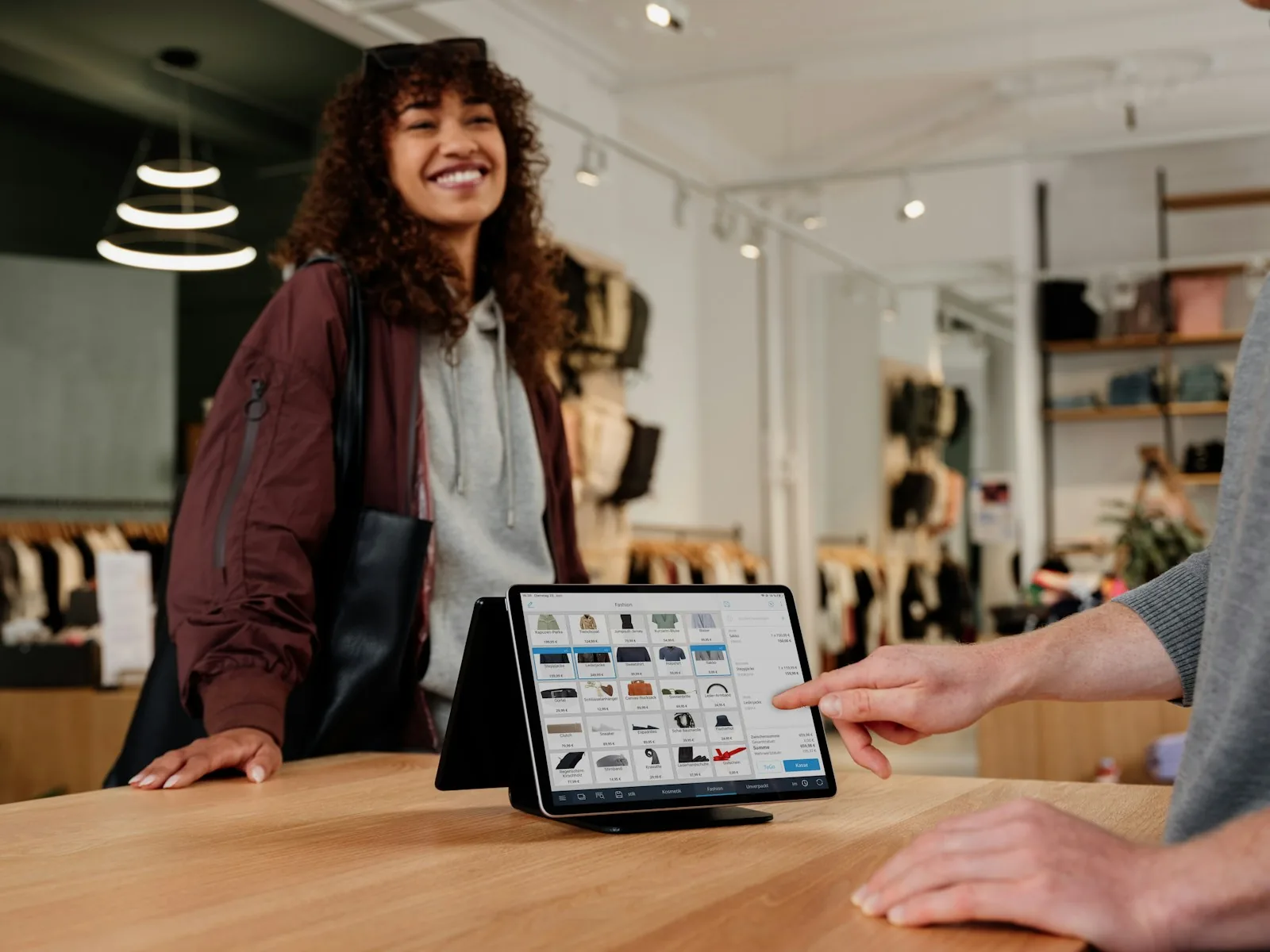
Ace Hardware is making significant moves to compete in the retail media landscape, introducing expanded advertising capabilities that could reshape how brands reach consumers in stores and online. The company recently unveiled new features for its RedVest Media network, a platform launched about a year ago to give manufacturers targeted ways to promote their products. Understanding these changes matters because they affect everything from the products you see recommended to you in-store to the ads that appear when you shop online or on delivery apps.
What Ace Hardware is Launching
The hardware retailer announced several new advertising tools designed to help brands connect with shoppers more effectively. These include expanded partnerships with delivery services, influencer marketing capabilities, and weather-triggered advertising that sends promotional messages based on local conditions. For example, brands can now run sponsored ads and promotions through delivery app partnerships, which means you might see product recommendations while building an order for same-day pickup or delivery.
Weather-triggered advertising represents a particularly innovative approach. When forecasts call for rain, snow, or even moderate precipitation, relevant brands can automatically send promotions for weather-related products. This is especially useful for seasonal items and home maintenance supplies that see demand fluctuations based on climate conditions. Ace’s network of over 5,300 stores, combined with its 80 million loyalty program members, gives brands access to a massive audience of homeowners and DIY enthusiasts.
How This Differs From Competitors

Ace Hardware isn’t alone in the retail media space. Home Depot introduced its advertising platform in 2018 and rebranded it as Orange Apron Media in 2024, while Lowe’s launched a comparable network two years ago with multiple advertising channels including in-store audio, email, and paid search. However, Ace executives emphasize a key distinction: the company prioritizes supporting brand partners rather than using retailer data to develop competing private-label products.
According to Ace’s leadership, this approach sets them apart. While larger competitors may use insights gained from brand partnerships to create their own knockoff products, Ace commits to keeping brand relationships focused on mutual growth. Additionally, Ace’s strength lies in consistency and local reach. About 80 percent of U.S. households live within 10 minutes of an Ace store, and the majority of locations are independently owned and operated, creating a community-focused retail network.
The Digital Advantage
Ace’s website and mobile app have become increasingly important to the retailer’s strategy. Site traffic grew 26 percent year-over-year, and app users visit twice as often and spend twice as much as average customers. This digital presence complements the physical store network and gives brands multiple channels to reach shoppers across touchpoints.
The company is also leveraging its customer base for specialized audience targeting. Over 90 percent of Ace customers own their homes, making them valuable to financial institutions, insurance companies, and home-focused brands. This audience library allows manufacturers to reach consumers with specific buying interests and demographics, potentially leading to more relevant advertisements for shoppers.
What This Means for Your Shopping Experience
These retail media developments will likely increase the personalization of your shopping journey. Influencer partnerships mean you’ll see more user-generated content featuring products in action, which can help inform purchasing decisions. Delivery app partnerships mean promotional offers will appear more prominently when you shop through those channels. Weather-based advertising could actually work in your favor, alerting you to seasonal products you might need before bad weather arrives.
The expansion also reflects how retailers are modernizing their advertising approaches. Rather than simply displaying generic promotions, these systems use data about your location, season, and shopping patterns to show you ads for products that match your actual needs. When done well, this creates less cluttered shopping experiences with more relevant recommendations. When evaluating where to shop, you can consider every deal category retailers track to compare promotional strategies across different stores.
The Competitive Landscape
Ace Hardware is growing its store footprint aggressively, having opened 100 locations so far this year and projecting 170 new openings by the end of 2026. The company has added over 1,100 stores in the past six years. The retailer is also investing in experiential store formats called Elevate Ace, which have shown 12 percent higher sales compared to standard locations. This expansion supports the retailer’s ability to compete for national brand advertising dollars.
The company’s leadership acknowledges that competing against retail giants on spending alone isn’t realistic, but they believe consistency and community connection are stronger advantages. As the retail media space evolves, shoppers benefit from having options and from retailers competing to offer better, more personalized shopping experiences across both physical and digital channels.