Ulta Beauty’s Surveillance Technology Sparks Backlash: What Shoppers Need to Know
A Retailer Under Fire for License Plate Readers
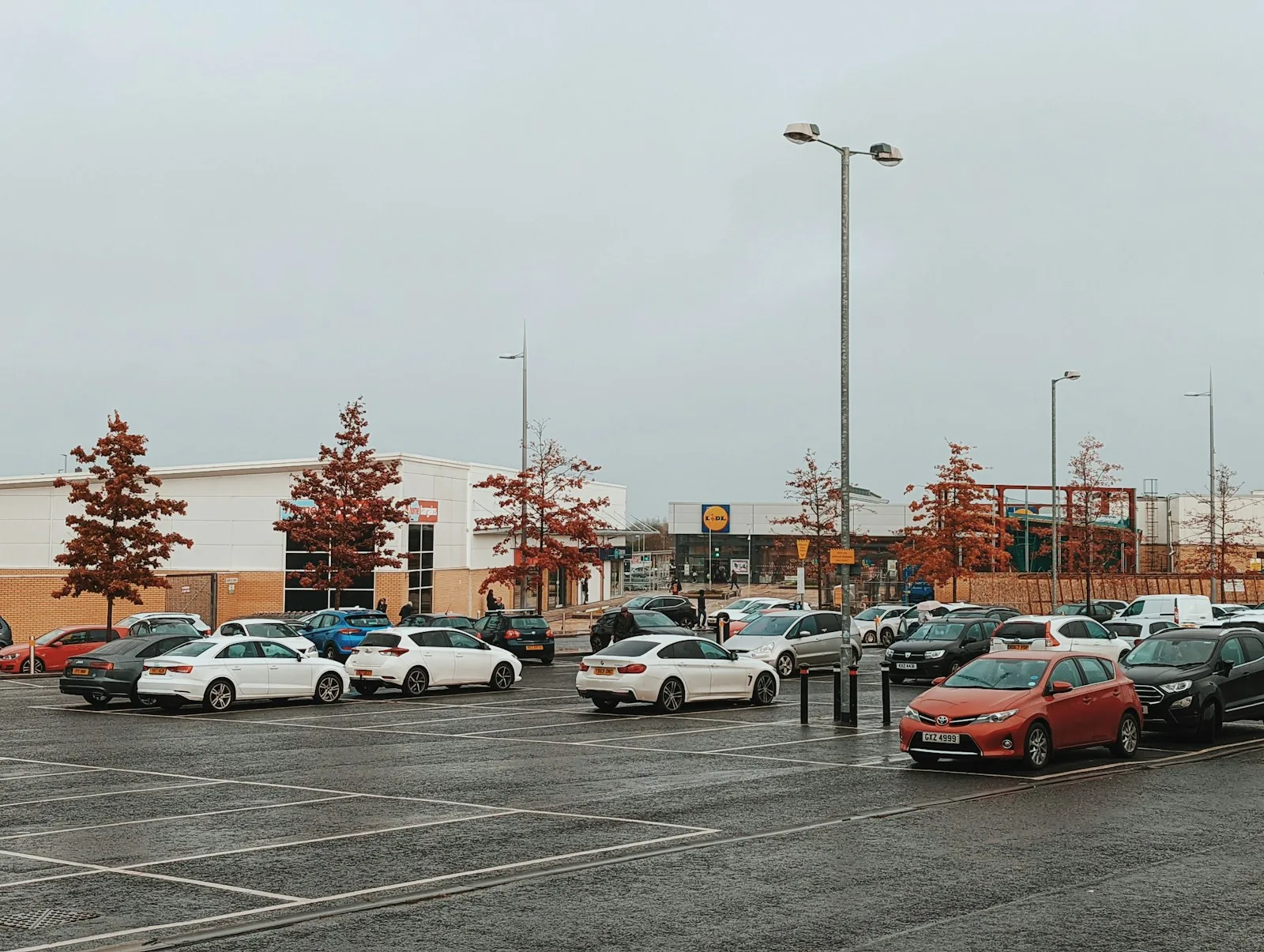
Ulta Beauty has become the center of a major consumer backlash after social media users discovered the company is using automated license plate reading cameras at some of its store locations. The technology, provided by surveillance firm Flock, captures vehicle registration information and has drawn fierce criticism from privacy advocates and everyday shoppers concerned about data collection and monitoring practices.
The Scope of the Surveillance Program
According to sources familiar with the matter, Ulta is deploying these automated license plate readers at fewer than 1 percent of its roughly 1,500 stores nationwide. The cameras do not use facial recognition technology, which some consumers saw as a minor consolation. However, the mere presence of license plate readers at any retailer location has ignited concerns about privacy, data storage, and how the information might be used.
The activist organization UltraViolet launched a campaign highlighting Ulta’s partnership with Flock, and the message spread rapidly across social media platforms. Instagram posts from the beauty retailer became flooded with comments from frustrated shoppers expressing concerns about surveillance and personal privacy. This kind of coordinated consumer response demonstrates how quickly public opinion can shift when privacy issues come to light, and it shows that today’s customers increasingly care about the surveillance practices employed by their favorite retailers.
Why Ulta Installed the Technology
Ulta’s leadership has stated that the license plate readers were installed to combat retail crime and protect store employees and customers. The company’s director of organized retail crime noted that stores experienced increased violence following the COVID-19 pandemic. According to statements from company officials, Ulta sought technology that would help law enforcement identify repeat offenders and prevent fraud more quickly. The beauty retailer frames the surveillance as a proactive approach to stopping criminals rather than simply reacting after incidents occur.
Retail crime remains a significant industry challenge, with major trade groups like the National Retail Federation pushing for federal legislation to address organized theft. Flock specifically markets its technology to retailers as a tool for adding known offenders to alert lists and notifying businesses immediately when flagged individuals or vehicles enter parking lots. The company even highlighted a case where its cameras helped Virginia police make arrests related to organized retail crime at multiple Ulta locations.
Growing Backlash Against Flock’s Technology
Flock has faced widespread public criticism in recent months, with activists and privacy advocates targeting its license plate readers across the country. Vandalism of the cameras has increased as communities become more vocal about opposing the technology. Some local and state governments have reconsidered or halted installations of Flock equipment, signaling that public pressure is affecting how this surveillance tool is deployed.
The company updated its terms and conditions in August amid this growing scrutiny. Ulta itself has not publicly responded to questions about when it began using Flock’s technology or how many vehicles are tracked through its system. This silence has only fueled consumer frustration and speculation about the extent of the surveillance program.
What This Means for Shoppers
For consumers who frequent Ulta Beauty or any retailer, this situation raises important questions about privacy while shopping in person. If you drive to a store location, you may want to consider whether you are comfortable with your vehicle’s license plate being photographed and recorded. While Ulta states it uses the data to identify and prevent crime, shoppers should understand that their vehicle information is being captured, stored, and potentially shared with law enforcement.
It’s worth noting that privacy expectations vary by state, and some states have stronger protections for citizens regarding surveillance data than others. For those concerned about their privacy, staying informed about which retailers are using surveillance technology and understanding their policies can help you make informed shopping decisions.
The Broader Retail Surveillance Conversation
Ulta’s use of automated license plate readers is not an isolated incident. Many retailers are exploring technology solutions to combat theft and organized crime, and this case illustrates the tension between security concerns and privacy rights. As shoppers, it is important to ask questions about how our data is used when we enter stores and parking lots.
Consumer pressure can drive change. The backlash Ulta experienced shows that businesses pay attention when customers express strong concerns about their practices. If privacy is important to you, consider reaching out to retailers directly with your questions about surveillance, and vote with your wallet by supporting companies whose privacy practices align with your values.