Walmart Expands 30 Minute Delivery to 38 Markets What Shoppers Need to Know

Walmart Expands 30 Minute Delivery to 38 Markets What Shoppers Need to Know
Walmart is doubling down on speed. The nation’s largest retailer has now rolled out its 30-minutes-or-less delivery service across 38 U.S. markets, a significant expansion that makes rapid fulfillment available to millions of additional customers. The service, which launched in May across 33 initial markets including Dallas, Chicago, Houston, Denver and Atlanta, has since added Nashville, Omaha, San Antonio, Wichita and Winter Haven. For shoppers, this expansion signals a major shift in how grocery and household goods reach your door.
The growth of fast delivery options reflects a fundamental change in consumer expectations. A retailer’s ability to deliver items in half an hour or less is no longer a luxury but increasingly a competitive necessity. Walmart’s investment in this capability demonstrates that the company sees meeting speed demands as essential to staying competitive in modern retail. The expansion sends a clear message: if you live in one of the expanding markets, ultra-fast delivery is becoming a realistic option for your shopping needs.
What the Service Costs and Who Benefits Most
Walmart’s 30-minutes-or-less delivery comes with a $10 fee for Walmart+ members, the retailer’s paid subscription program. While this represents an additional charge beyond standard delivery, customer adoption has exceeded company expectations. In the most recent quarter, fast-delivery services accounted for 37 percent of all store-fulfilled orders, marking an all-time high. This suggests shoppers view the premium as worth paying for the convenience and time savings.
Customers who use expedited delivery options shop more frequently with the retailer and show higher engagement overall. Users of these services are also more likely to join or maintain Walmart+ memberships, creating a cycle that benefits both the company and loyal shoppers. For households with busy schedules, unexpected needs or time-sensitive purchases, paying for speed can be a practical choice, especially when every deal category we track shows retailers increasingly competing on delivery timelines.
How This Impacts Shopping in Your Area
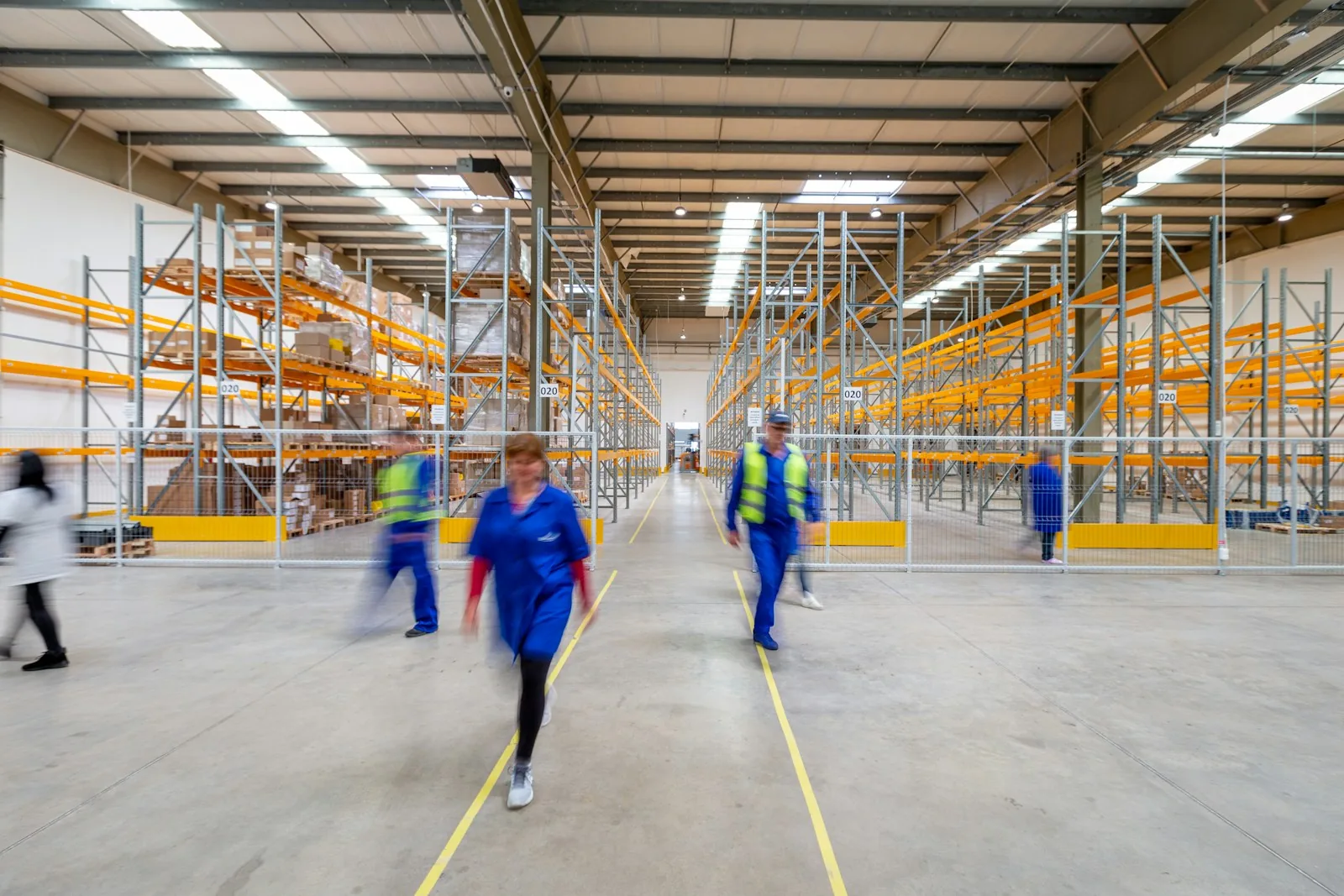
The expansion matters because it affects whether this service is available to you. Walmart uses its physical store locations as distribution hubs for fast delivery, which gives the retailer a unique advantage over online-only competitors. Stores handle the final-mile delivery for 80 percent of Walmart’s e-commerce orders, and for fast deliveries specifically, stores handle 100 percent of fulfillment. This infrastructure advantage allows Walmart to deliver faster and more cost-effectively than competitors relying on external logistics networks.
The company is also investing heavily in automation to improve speed and reliability further. More than 3,100 U.S. Walmart stores now receive freight processed through automated systems, meaning inventory arrives palletized and ready for rapid deployment. This automation strengthens product availability and enables faster restocking, which translates to better in-stock levels for the items you need. As retailer grocery strategies shift as shoppers face affordability pressure, having items in stock matters as much as pricing.
The Bigger Picture for Fast Delivery

Walmart’s expansion is part of a broader industry trend. Multiple major retailers are now launching or expanding rapid delivery options for groceries, medications, household essentials and impulse purchases. The consumer appetite for convenience continues to drive this shift. When given the choice between waiting days for delivery and receiving items in 30 minutes, many shoppers choose speed, even when paying a premium.
The fact that fast-delivery orders now represent over one-third of store-fulfilled deliveries indicates this isn’t a niche service. It’s becoming mainstream behavior. Gross merchandise value tied to fast delivery, defined as fulfillment in three hours or less, grew 48 percent year over year in the recent quarter. These numbers show this isn’t a temporary trend but a structural change in how Americans expect to receive goods.
What This Means for Your Shopping Future
If you’re in one of the 38 markets now served by Walmart’s 30-minutes-or-less delivery, you have a new option for urgent shopping needs. The service works best for groceries, pharmacy items, household supplies and last-minute gifts. For planned shopping, traditional delivery options remain cost-effective. For emergency needs, the $10 fee may be justified.
The expansion also signals that Walmart is using its store network, automation investments and membership program to build a competitive moat. By making fast delivery more accessible and reliable, the retailer is giving customers more reasons to choose it for a larger share of their spending. Whether you take advantage of 30-minutes-or-less delivery depends on your location, shopping habits and willingness to pay for speed, but the option is expanding rapidly. Check your zip code on Walmart’s website to see if the service is available in your area.