Major Retailer Adds Apple Pay and Google Pay Support What Shoppers Need to Know
A Major Shift in How Millions of Shoppers Can Pay
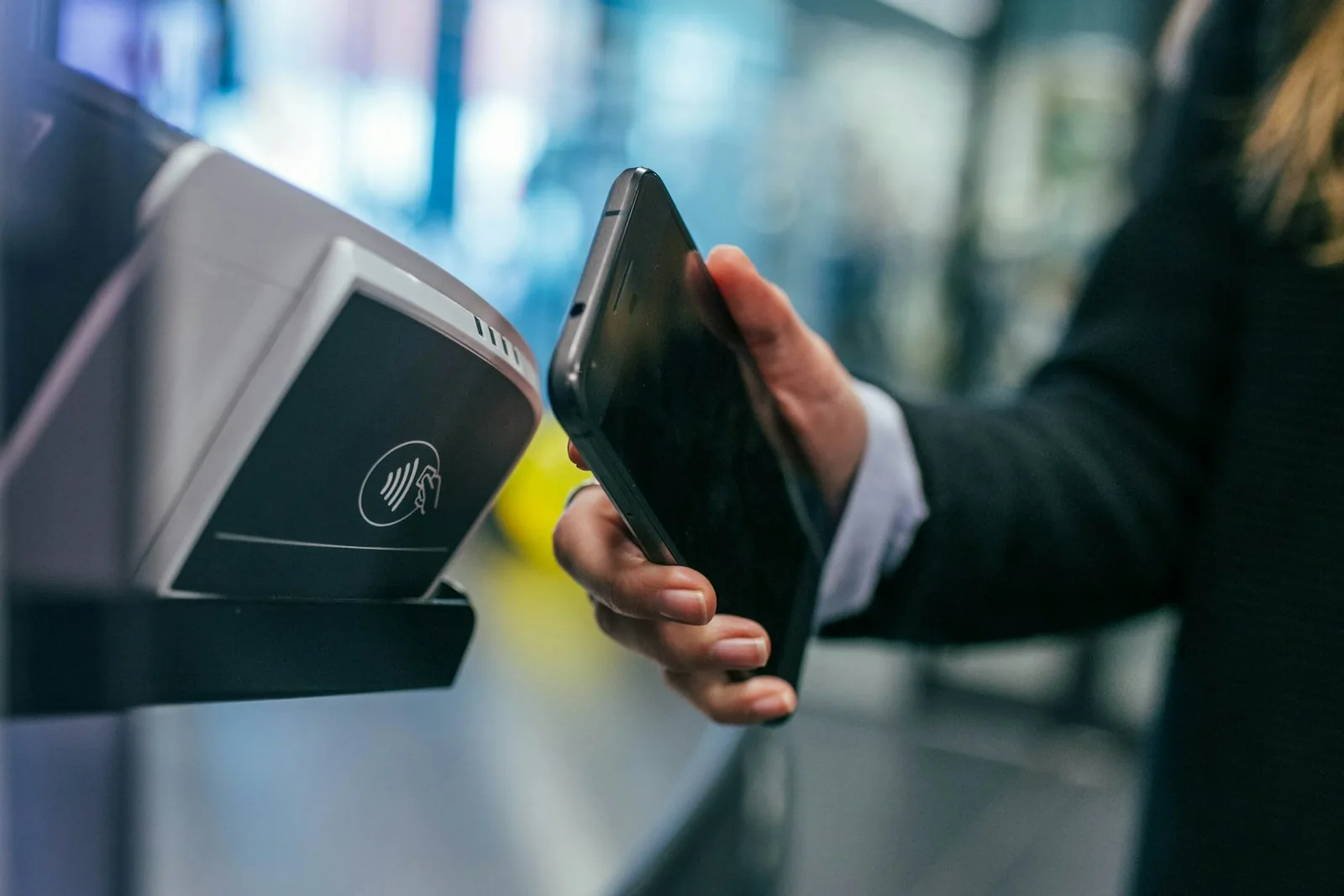
For over a decade, one of America’s largest retailers has stood apart from the crowd by refusing to accept Apple Pay and Google Pay at checkout. That is about to change. Starting in late August at select locations, then rolling out nationwide through 2026 and to fuel stations by mid-2027, the retailer will finally enable these widely used digital payment methods.
This move represents a significant shift in the retail landscape. Apple Pay alone is now accepted at more than 85 percent of U.S. retailers, making the holdout increasingly unusual. The decision comes after years of customer frustration and suggests that even the largest retailers must adapt to consumer expectations around payment convenience.
What This Means for Your Checkout Experience
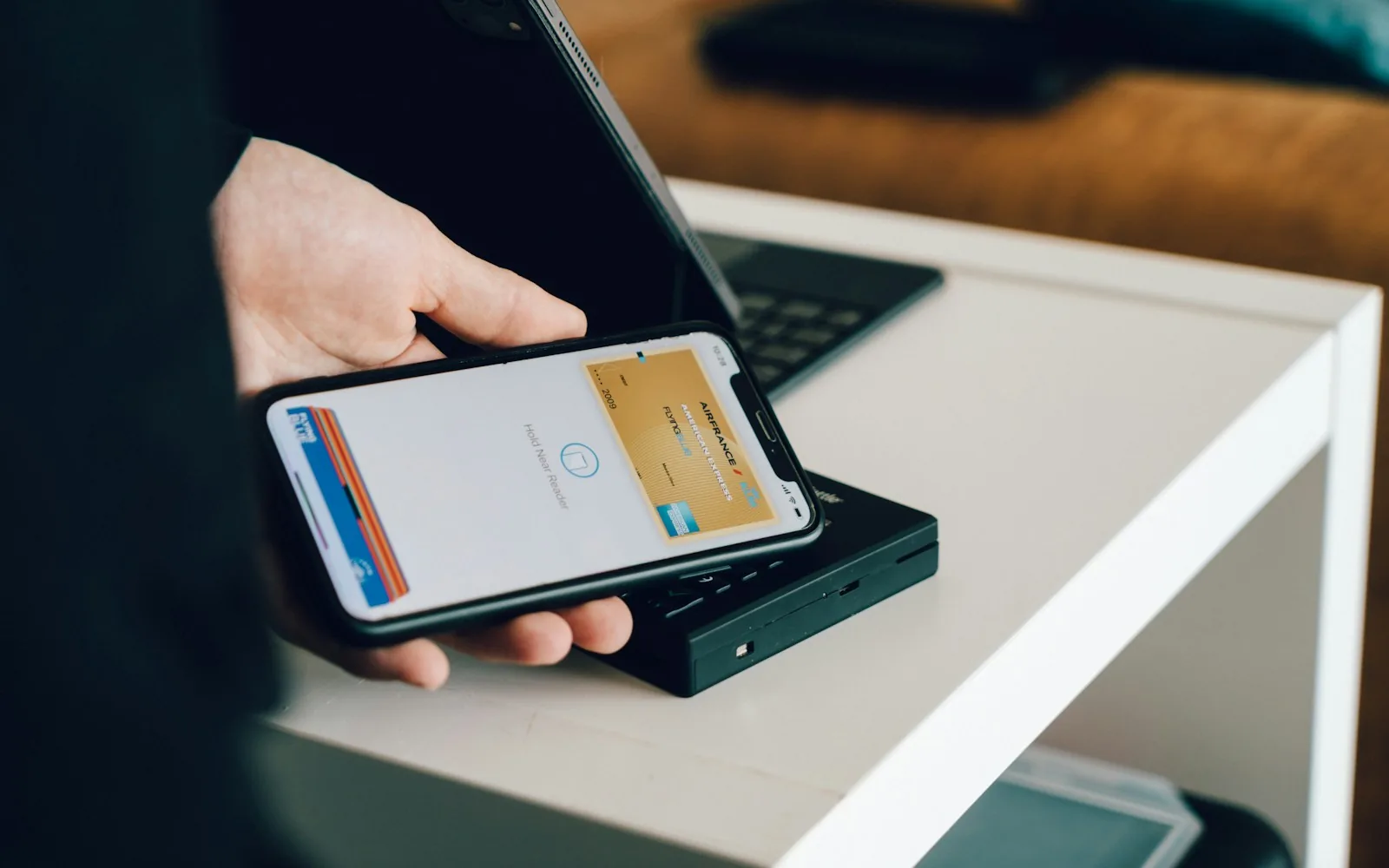
The expanded payment support covers contactless options across phones, smartwatches, and digital cards. Shoppers will be able to tap or scan their devices at checkout just as they do elsewhere. The rollout begins this month at select stores and will expand to all U.S. locations and warehouse clubs by the end of 2026, with fuel stations receiving the upgrade by mid-2027.
This addresses a long-standing pain point for consumers. Many shoppers have grown accustomed to using mobile wallets for quick, secure payments at coffee shops, grocery stores, and restaurants. Finding that option unavailable at such a major retailer has been frustrating. Now, customers will have greater flexibility in choosing their preferred payment method, whether that is a digital wallet, traditional card, or the retailer’s own app-based system.
The retailer has maintained that supporting alternative payment options aligns with its customer-first philosophy. A company spokesman stated that the goal is to let customers pay in whatever way suits them best. This commitment extends beyond just Apple Pay and Google Pay. The retailer will continue accepting its own Walmart Pay app option and other methods like Scan and Go at its warehouse division, giving shoppers multiple pathways to complete their purchases.
Why the Change Is Happening Now
For years, this major retailer invested in its own digital payment ecosystem. The company previously partnered with other retailers on a mobile payment platform called CurrentC, which ultimately failed and shut down in 2016. That experience, combined with the explosive growth of Apple Pay and Google Pay over the past decade, appears to have shifted the company’s strategy.
The retailer has also been expanding its technology partnerships in other areas. It has collaborated with Google on artificial intelligence shopping tools and worked with Google’s sibling company on drone delivery pilots. These partnerships suggest a broader willingness to integrate widely used consumer technologies rather than developing proprietary alternatives. As AI shopping adoption forces retailers to rethink online strategy, accepting mainstream payment methods fits into this modernization effort.
The Bigger Picture for Retail and Shoppers
This development signals that even the largest retailers cannot ignore consumer preferences indefinitely. Mobile wallet payments have become standard across every deal category we track, from groceries to electronics. By finally embracing Apple Pay and Google Pay, the retailer is bringing its checkout experience into alignment with what customers expect elsewhere.
The decision also reflects broader trends in retail. Many major chains now prioritize seamless payment experiences as a competitive advantage. Contactless payments offer both convenience and enhanced security compared to traditional methods. For consumers concerned about data protection, digital wallets often provide additional safeguards.
Additionally, retailer grocery strategies shift as shoppers face affordability pressure, and companies are recognizing that removing friction from the shopping experience builds customer loyalty. Fast, flexible checkout options contribute to that goal.
What Happens Next
Shoppers should watch for announcements from the retailer about when digital wallet support arrives at their local stores. The phased rollout means that not all locations will have the feature simultaneously. Early adopters at select stores will have the advantage first, followed by broader availability over the coming months and years.
For those who have waited years to use their preferred payment method at this retailer, the wait is nearly over. Starting this August, the option becomes available at participating locations, with universal availability expected within the next 18 months. This change represents a win for consumer choice and a recognition that modern shoppers expect their favorite payment methods to work everywhere they shop.